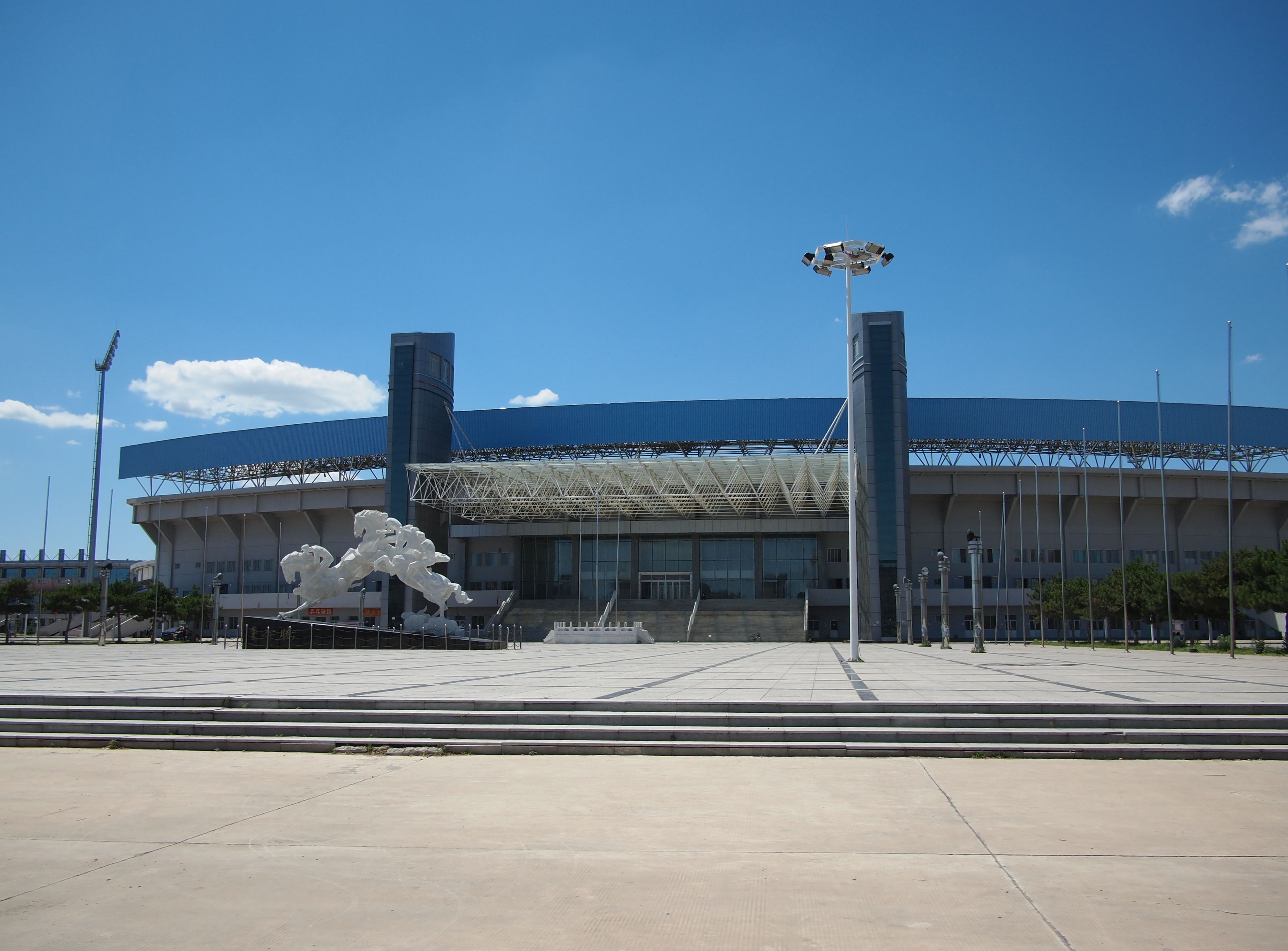
Tongliao, China
Data updated Sep 3, 2026
📊 Scores
Best fit: FIRE / Geoarbitrage (score: 81)
Coal, grain, and livestock are what keep Tongliao's economy moving. The dominant employers are state-owned energy enterprises, coal mining operations, and agricultural processing facilities — not sectors that typically hire foreign workers. Manufacturing and industrial zones have expanded since the city's prefecture-level designation in 1999, but these jobs go to domestic workers. Remote workers and digital nomads are essentially invisible here; there's no established freelance economy or international business community. If you're not teaching English or working for a company that sent you, earning a living locally is a non-starter.
Housing is genuinely cheap — expect to pay 1,500–2,500 RMB ($210–$350/month) for a decent two-bedroom apartment. Food costs are low if you eat local: Mongolian lamb dishes and Chinese staples run 15–30 RMB per meal at street-level restaurants. Public transport exists but is limited; owning an e-bike or car is practical. Healthcare access is functional at city hospitals but English-speaking doctors are essentially nonexistent, making any medical situation stressful without Mandarin fluency. Bureaucracy for foreign residents is manageable but requires Chinese language ability — there's no English-language support infrastructure.
Winters here are brutal and long: -10°C average in January with dry, cutting winds off the steppe that make it feel worse. Summers are short and pleasant at around 20°C, but sandstorms in spring are a real nuisance. The food scene leans heavily on Mongolian and northeastern Chinese cuisine — roasted lamb, dairy products, and hearty grain dishes. There's no meaningful expat community to speak of, so your social life depends entirely on integrating with locals, which requires solid Mandarin and ideally some Mongolian. Tongliao suits Mandarin-fluent researchers, energy-sector professionals on assignment, or people with a specific cultural or academic interest in Mongolian heritage.
🏚️ Cost of Living
💰 Budgets and Costs
Grocery Basket
Eating Out
Utilities & Lifestyle
Housing
A 1BR in the center runs about $250/mo. If your income is in another currency, bank FX fees add up. A multi-currency account can cut that cost.
See low-fee transfersWe may earn a commission at no cost to you.
💰 Real Spend Reports
🛡️ Safety & Crime
(Higher is safer)
(Lower is safer)
Tongliao is a relatively safe mid-sized Chinese city with low violent crime rates typical of inland China. Petty theft and scams targeting foreigners exist but are uncommon. Main concerns include navigating language barriers in emergencies, air quality issues, and limited expat infrastructure. Avoid displaying wealth openly and use registered taxis or ride-sharing apps. The city's remote location means fewer expat communities and services compared to tier-1 cities. For Americans seeking safety with cultural adjustment challenges, Tongliao is secure but better suited to those comfortable with isolation and limited English-speaking support.
Tongliao has a safety index of 60/100. Petty theft and lost belongings are the most common problems for newcomers. Compare travel insurance before you go.
Compare travel insuranceWe may earn a commission at no cost to you.
🏥 Healthcare
🌤️ Climate
Best Months
Climate Notes
Tongliao has a continental climate with cold, dry winters (December–February) dropping to -12°C and warm summers (June–August) around 23°C, with moderate dust and pollution concerns.
💻 Digital Nomad
Community Notes
| Name | Price/mo | Notes |
|---|---|---|
| Ucommune (科创大厦) | $85 | Located in the Kechuang Building, this Ucommune location likely offers standard coworking amenities like meeting rooms and printing services. It's a solid option for those seeking a professional environment in a central business district. |
| Regus Tongliao Wanda Plaza | $110 | Located in the Wanda Plaza, this Regus offers a reliable and professional coworking environment. Expect standard Regus amenities and a convenient location with access to shopping and dining. |
Working remotely from Tongliao? Nomad health insurance covers you across borders, month to month.
See nomad insuranceWe may earn a commission at no cost to you.
🧳 Expat Life
Expat Life Notes
Tongliao is an agricultural and energy hub in Inner Mongolia. Expats are rare and are usually university language teachers.
Pros
- ✓ Unique Mongol cultural elements
- ✓ Vast open spaces nearby
- ✓ Low cost
Cons
- ✗ Harsh winters
- ✗ Dry and windy climate
- ✗ Limited English prevalence
🛂 Visa Options for China
Many long-stay visas require proof of health insurance. Compare international health plans before you apply.
Compare health insuranceWe may earn a commission at no cost to you.
Not sure which China visa you qualify for?
Answer 10 questions and get a personalized match in under 2 minutes.
Could living/working in Tongliao cut years off your work life?
With a 1-bedroom in the center at $200/mo, your FIRE number here might be much lower than you think.
Moving to Tongliao? Estimate what an international move would cost and compare mover quotes.
Estimate my move costShare This Guide
Tongliao won't stay this cheap forever.
Cost-of-living and visa updates for Tongliao and the rest of China. Free with RA Postcards.
By submitting your email address, you will receive a free subscription to RA Postcards and special offers from Rewire Abroad and our affiliates. You can unsubscribe at any time, and we encourage you to read more about our Privacy Policy.