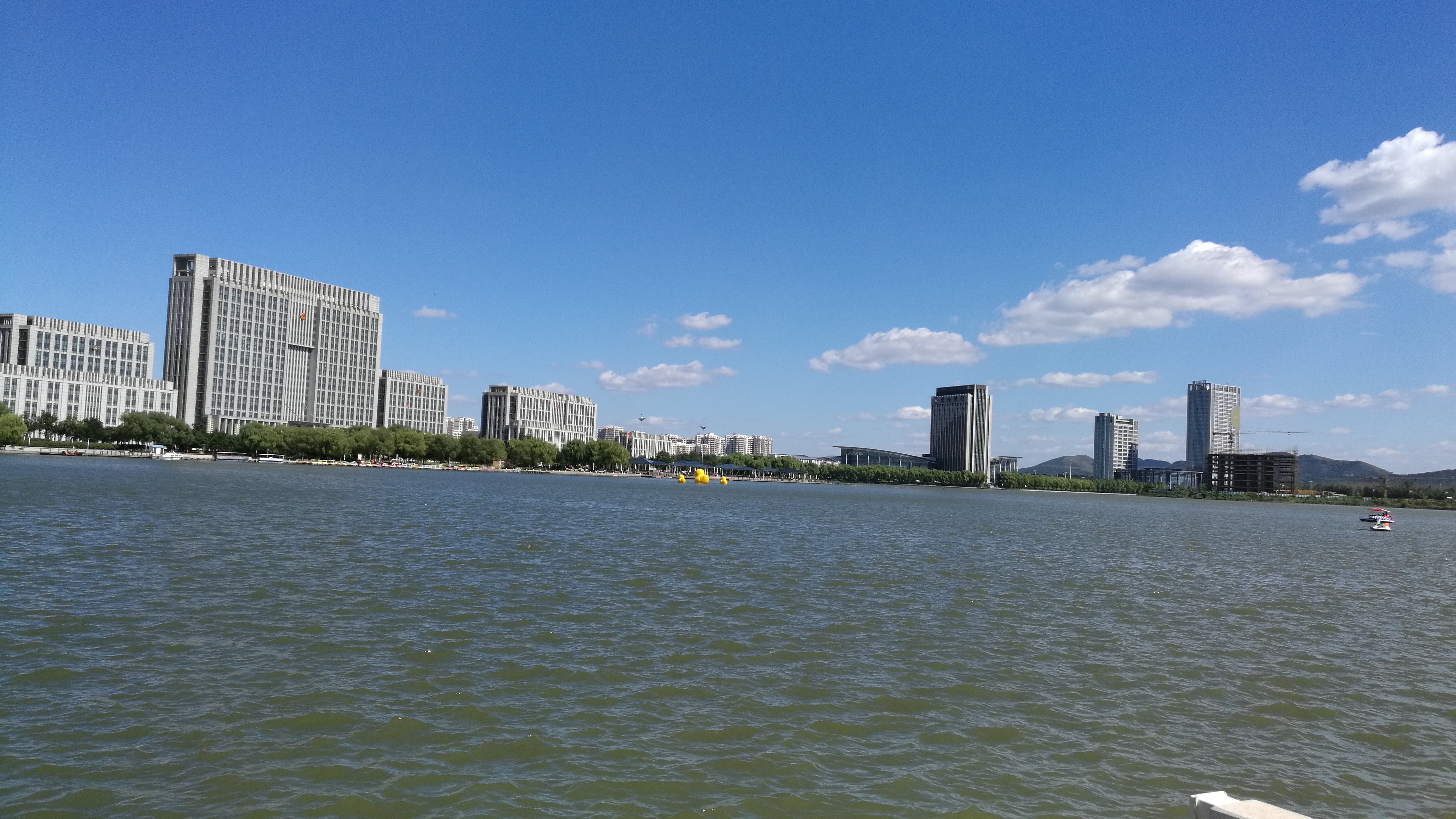
Tieling, China
Data updated Sep 29, 2026
📊 Scores
Best fit: FIRE / Geoarbitrage (score: 83)
Coal extraction and mineral mining — gold, silver, aluminum — form the economic backbone here, and most stable employment runs through state-owned enterprises tied to those industries. Manufacturing and agriculture fill out the rest of the picture. The high-speed rail connection to Shenyang (roughly 30 minutes) and Dalian means some residents commute or work remotely while living here cheaply, but Tieling itself has almost no foreign-facing economy. Digital nomads will find zero coworking infrastructure and essentially no English-language professional environment.
A one-bedroom in the city center runs around $280/month, which is genuinely low even by northeastern China standards. Local food and transport are cheap — city buses cost under $0.30, and a full meal at a local restaurant is $2–4. Healthcare exists through public hospitals, but expect Mandarin-only interactions with zero English support; medical translation apps become essential. Bureaucracy for foreign residents follows standard Chinese visa and registration rules, which means regular trips to the PSB and patience with paperwork that rarely has English guidance.
Winters are brutal — temperatures regularly drop to -15°C or colder from December through February, and that shapes everything about daily life for roughly four months. Summers are warm and genuinely pleasant, and the Lotus Lake Wetland Park and Shangyang Lake area give you real outdoor options on weekends. The expat community is effectively nonexistent; you will not find an English-speaking social scene, international restaurants, or Western grocery options. This city suits someone already fluent in Mandarin who wants rock-bottom costs and doesn't need expat community infrastructure to feel grounded.
🏚️ Cost of Living
💰 Budgets and Costs
Grocery Basket
Eating Out
Utilities & Lifestyle
Housing
A 1BR in the center runs about $147.76/mo. If your income is in another currency, bank FX fees add up. A multi-currency account can cut that cost.
See low-fee transfersWe may earn a commission at no cost to you.
💰 Real Spend Reports
🛡️ Safety & Crime
(Higher is safer)
(Lower is safer)
Tieling is a relatively safe mid-sized industrial city in northeast China with low violent crime rates typical of Chinese urban areas. Petty theft and scams targeting foreigners exist but are uncommon. Main concerns for expats include navigating language barriers in emergencies, limited English-language medical services, and occasional police scrutiny of foreigners. Air pollution and industrial hazards are more pressing health issues than crime. The city lacks the cosmopolitan infrastructure of major expat hubs, making daily life more challenging than safety concerns. Overall, it's a secure choice for those comfortable with smaller Chinese cities, though better suited for hardy remote workers than retirees seeking convenience.
🏥 Healthcare
🌤️ Climate
Best Months
Climate Notes
Tieling has a humid continental climate with cold, dry winters (December–February) and warm, humid summers (June–August), requiring adaptation to significant seasonal temperature swings and occasional air quality concerns.
💻 Digital Nomad
Community Notes
| Name | Price/mo | Notes |
|---|---|---|
| Regus Tieling | $150 | Regus offers a reliable, professional environment in Tieling. While specific location details within Tieling are limited online, Regus generally provides standard amenities like high-speed internet, meeting rooms, and administrative support, making it suitable for expats needing a functional workspace. |
| Tieling Coworking Space (Local Independent) | $80 | There are likely smaller, independent coworking spaces in Tieling, though they may lack a strong online presence. These spaces, often found near the city center or university areas, offer a more budget-friendly option and a chance to connect with local entrepreneurs. Search Google Maps for "coworking space" in Tieling to find current options. |
Working remotely from Tieling? Nomad health insurance covers you across borders, month to month.
See nomad insuranceWe may earn a commission at no cost to you.
🧳 Expat Life
Expat Life Notes
A quiet, obscure agricultural and industrial hub in Liaoning. No expat amenities exist here.
Pros
- ✓ Very cheap living costs
Cons
- ✗ Almost no English
- ✗ High isolation
- ✗ Industrial atmosphere
🛂 Visa Options for China
Many long-stay visas require proof of health insurance. Compare international health plans before you apply.
Compare health insuranceWe may earn a commission at no cost to you.
Not sure which China visa you qualify for?
Answer 10 questions and get a personalized match in under 2 minutes.
Could living/working in Tieling cut years off your work life?
With a 1-bedroom in the center at $148/mo, your FIRE number here might be much lower than you think.
Estimate the cost of moving to Tieling, China
Get a free moving cost estimate for moving to Tieling, China. Takes 10 seconds.
How much are you shipping?
When are you moving?
Powered by Sirelo. Free quotes from verified international movers.
Share This Guide
Tieling won't stay this cheap forever.
Cost-of-living and visa updates for Tieling and the rest of China. Free with RA Postcards.
By submitting your email address, you will receive a free subscription to RA Postcards and special offers from Rewire Abroad and our affiliates. You can unsubscribe at any time, and we encourage you to read more about our Privacy Policy.