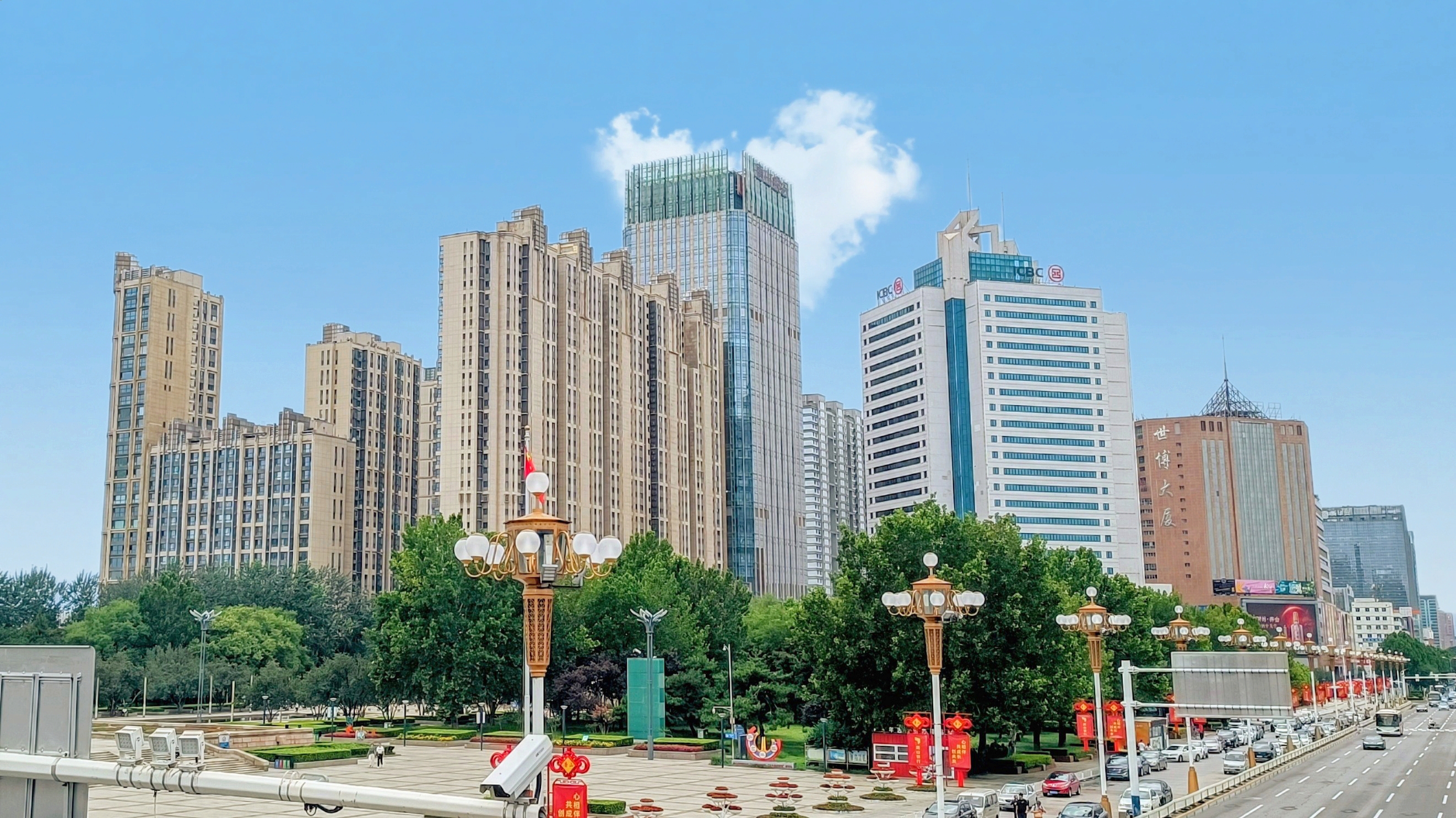
Tangshan, China
Data updated Sep 29, 2026
📊 Scores
Best fit: FIRE / Geoarbitrage (score: 85)
Steel runs this city's veins — Tangshan produces roughly 15% of China's total steel output, and the economy is built almost entirely around heavy industry: steel, coal, cement, chemicals, and ceramics. Kailuan Group, one of China's oldest coal enterprises, remains a major employer alongside dozens of state-owned and private steel mills. Foreign professionals here are almost exclusively engineers, technical consultants, or supply-chain managers tied to industrial contracts. Remote workers and digital nomads have essentially no infrastructure or community to plug into — this is a working industrial city, not a lifestyle destination.
A two-bedroom apartment in a decent urban district runs roughly ¥2,000–3,500/month ($280–490 USD), making housing genuinely cheap by any standard. Local food and transport are inexpensive — city buses cost ¥1–2, and high-speed rail to Beijing takes under an hour for around ¥75. Healthcare exists but quality varies sharply; expats with serious conditions typically travel to Beijing or Tianjin. The language barrier is real and largely unaddressed — English signage is sparse, and finding English-speaking locals outside of universities is uncommon. Bureaucracy follows standard Chinese municipal patterns: doable but slow, and best navigated with a local contact.
Winters are genuinely cold, dropping to -10°C or below, and industrial air pollution historically makes Tangshan's air quality poor — check AQI before committing. Summers are warm and humid. Local food is solid northern Chinese fare: lamb skewers, hand-pulled noodles, seafood from the Bohai coast. The expat community is tiny and almost entirely male, industry-focused, and transient. Weekends mean day trips to Beijing or Tianjin, or exploring the rebuilt earthquake memorial park. Tangshan suits industrial professionals on assignment who want low costs and easy Beijing access — it's not for anyone seeking expat social life or remote-work culture.
🏚️ Cost of Living
💰 Budgets and Costs
Grocery Basket
Eating Out
Utilities & Lifestyle
Housing
A 1BR in the center runs about $350/mo. If your income is in another currency, bank FX fees add up. A multi-currency account can cut that cost.
See low-fee transfersWe may earn a commission at no cost to you.
💰 Real Spend Reports
🛡️ Safety & Crime
(Higher is safer)
(Lower is safer)
Tangshan is a relatively safe industrial city with low violent crime rates typical of tier-2 Chinese cities. Petty theft and pickpocketing occur in crowded markets and transit hubs, but are not epidemic. The main concerns for expats are navigating language barriers in emergencies, air quality issues affecting health, and the standard surveillance state environment. Avoid displaying wealth openly. Political sensitivity around foreign nationals exists; avoid discussing sensitive topics. Overall, it's a stable choice for expats seeking affordability and lower crime than major metros, though it lacks the international infrastructure of Beijing or Shanghai.
Tangshan has a safety index of 62/100. Petty theft and lost belongings are the most common problems for newcomers. Compare travel insurance before you go.
Compare travel insuranceWe may earn a commission at no cost to you.
🏥 Healthcare
🌤️ Climate
Best Months
Climate Notes
Tangshan has a temperate continental climate with hot, dry summers (40°C peaks) and cold, windy winters (-16°C lows), featuring moderate humidity and significant seasonal variation ideal for those prepared for temperature extremes.
💻 Digital Nomad
Community Notes
| Name | Price/mo | Notes |
|---|---|---|
| MyDreamPlus Coworking Space (唐山) | $150 | MyDreamPlus offers modern, stylish coworking spaces with a focus on community and collaboration. While specific Tangshan location details are limited online, MyDreamPlus is known for amenities like meeting rooms, event spaces, and a vibrant atmosphere, making it suitable for expats seeking a professional environment. |
| Ucommune (唐山) | $130 | Ucommune is a large coworking chain in China, and while specific Tangshan locations require direct inquiry, their spaces generally offer a range of options from hot desks to private offices. They often include amenities like business services, event programming, and networking opportunities, appealing to digital nomads. |
| Regus (唐山) | $175 | Regus is a global provider of serviced offices and coworking spaces. They likely have a presence in Tangshan's central business district, offering a professional and reliable workspace with amenities like meeting rooms, administrative support, and high-speed internet, suitable for remote workers needing a formal setting. |
Working remotely from Tangshan? Nomad health insurance covers you across borders, month to month.
See nomad insuranceWe may earn a commission at no cost to you.
🧳 Expat Life
Expat Life Notes
Tangshan is a major industrial city in Hebei. While it has a dark history with the 1976 earthquake, it is now a massive center for steel and manufacturing with a niche expat community.
Pros
- ✓ Very strong economy
- ✓ Close to Beijing and Tianjin
- ✓ Low cost of living
Cons
- ✗ Heavy industrial pollution
- ✗ Severe winters
- ✗ Bland urban sprawl
🛂 Visa Options for China
Many long-stay visas require proof of health insurance. Compare international health plans before you apply.
Compare health insuranceWe may earn a commission at no cost to you.
Not sure which China visa you qualify for?
Answer 10 questions and get a personalized match in under 2 minutes.
Could living/working in Tangshan cut years off your work life?
With a 1-bedroom in the center at $350/mo, your FIRE number here might be much lower than you think.
Moving to Tangshan? Estimate what an international move would cost and compare mover quotes.
Estimate my move costShare This Guide
Tangshan won't stay this cheap forever.
Cost-of-living and visa updates for Tangshan and the rest of China. Free with RA Postcards.
By submitting your email address, you will receive a free subscription to RA Postcards and special offers from Rewire Abroad and our affiliates. You can unsubscribe at any time, and we encourage you to read more about our Privacy Policy.