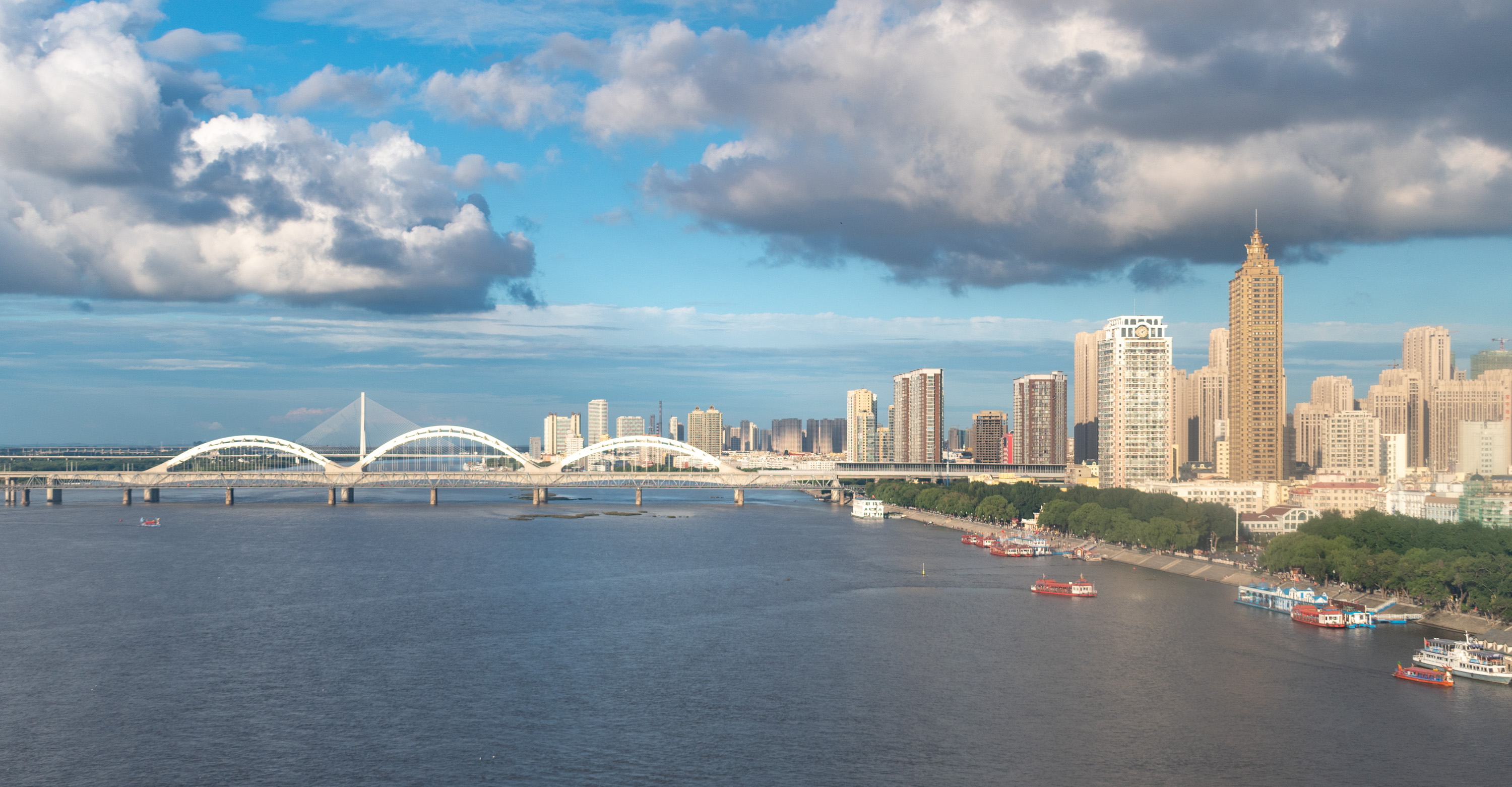
Tahe, China
Data updated Sep 3, 2026
📊 Scores
Tahe's economy revolves around fishing, forestry, and resource extraction—activities that actually work in subarctic permafrost. The boreal forest dominates; timber operations and hunting are real employers. Tourism barely registers. Most residents work for state forestry enterprises or small fishing operations on the Heilongjiang River. Wages are modest; expect 3,000–5,000 CNY monthly for local work. Remote work or freelancing is your realistic income path here.
Rent runs 800–1,500 CNY for a basic apartment; utilities spike brutally in winter. Public transport exists but is sparse and unreliable. Healthcare is basic—serious issues require travel to Harbin (12+ hours). Mandarin is essential; English is nearly nonexistent. Bureaucracy for residency is standard Chinese friction: expect multiple office visits and unclear timelines. Winter temperatures drop to −40°C; roads close regularly November through April.
Winters are genuinely punishing—dark, frozen, and isolating. Summers (June–August) are brief and pleasant. Food is hearty and meat-heavy; fresh produce is limited and expensive. The expat community is essentially zero; you'll be conspicuous. Weekends mean ice fishing, hiking boreal trails, or staying indoors. Tahe suits only those seeking extreme isolation, studying subarctic ecology, or working remote jobs who actively want to disappear.
🏚️ Cost of Living
A 1BR in the center runs about $154.08/mo. If your income is in another currency, bank FX fees add up. A multi-currency account can cut that cost.
See low-fee transfersWe may earn a commission at no cost to you.
💰 Real Spend Reports
🛡️ Safety & Crime
(Higher is safer)
(Lower is safer)
Tahe is a small, remote city in China's far north with a strong safety profile typical of rural Chinese communities. Violent crime is extremely rare, and petty theft is minimal. The main concerns for expats are practical rather than criminal: limited English services, harsh winters, and isolation from major urban centers. Police presence is visible and responsive. The primary risks involve scams targeting foreigners unfamiliar with local banking or rental practices, and occasional tensions around visa compliance. For Americans seeking a quiet, secure environment away from crowds, Tahe is genuinely safe—though its remoteness and limited expat infrastructure make it better suited for those comfortable with solitude and self-sufficiency.
🏥 Healthcare
🌤️ Climate
Best Months
Climate Notes
Tahe experiences an extreme continental climate with brutally cold, long winters (November–March) dropping below -20°C and brief, mild summers, making it one of China's coldest inhabited regions.
💻 Digital Nomad
Community Notes
| Name | Price/mo | Notes |
|---|---|---|
| Tahe Forest Bureau Coworking Space | $50 | Likely a government-supported initiative, this space probably offers basic amenities and a quiet environment. Located within the Tahe Forest Bureau area, it's a practical option for budget-conscious workers seeking a no-frills workspace. |
| Heilongjiang Tahe Coworking Center | $65 | This center likely provides standard coworking facilities such as desks, internet, and meeting rooms. Its location within Tahe makes it accessible, and it could be a good choice for those wanting a more professional setting. |
Working remotely from Tahe? Nomad health insurance covers you across borders, month to month.
See nomad insuranceWe may earn a commission at no cost to you.
🧳 Expat Life
🛂 Visa Options for China
Many long-stay visas require proof of health insurance. Compare international health plans before you apply.
Compare health insuranceWe may earn a commission at no cost to you.
Not sure which China visa you qualify for?
Answer 10 questions and get a personalized match in under 2 minutes.
Could living/working in Tahe cut years off your work life?
With a 1-bedroom in the center at $92/mo, your FIRE number here might be much lower than you think.
Moving to Tahe? Estimate what an international move would cost and compare mover quotes.
Estimate my move costShare This Guide
Tahe won't stay this cheap forever.
Cost-of-living and visa updates for Tahe and the rest of China. Free with RA Postcards.
By submitting your email address, you will receive a free subscription to RA Postcards and special offers from Rewire Abroad and our affiliates. You can unsubscribe at any time, and we encourage you to read more about our Privacy Policy.