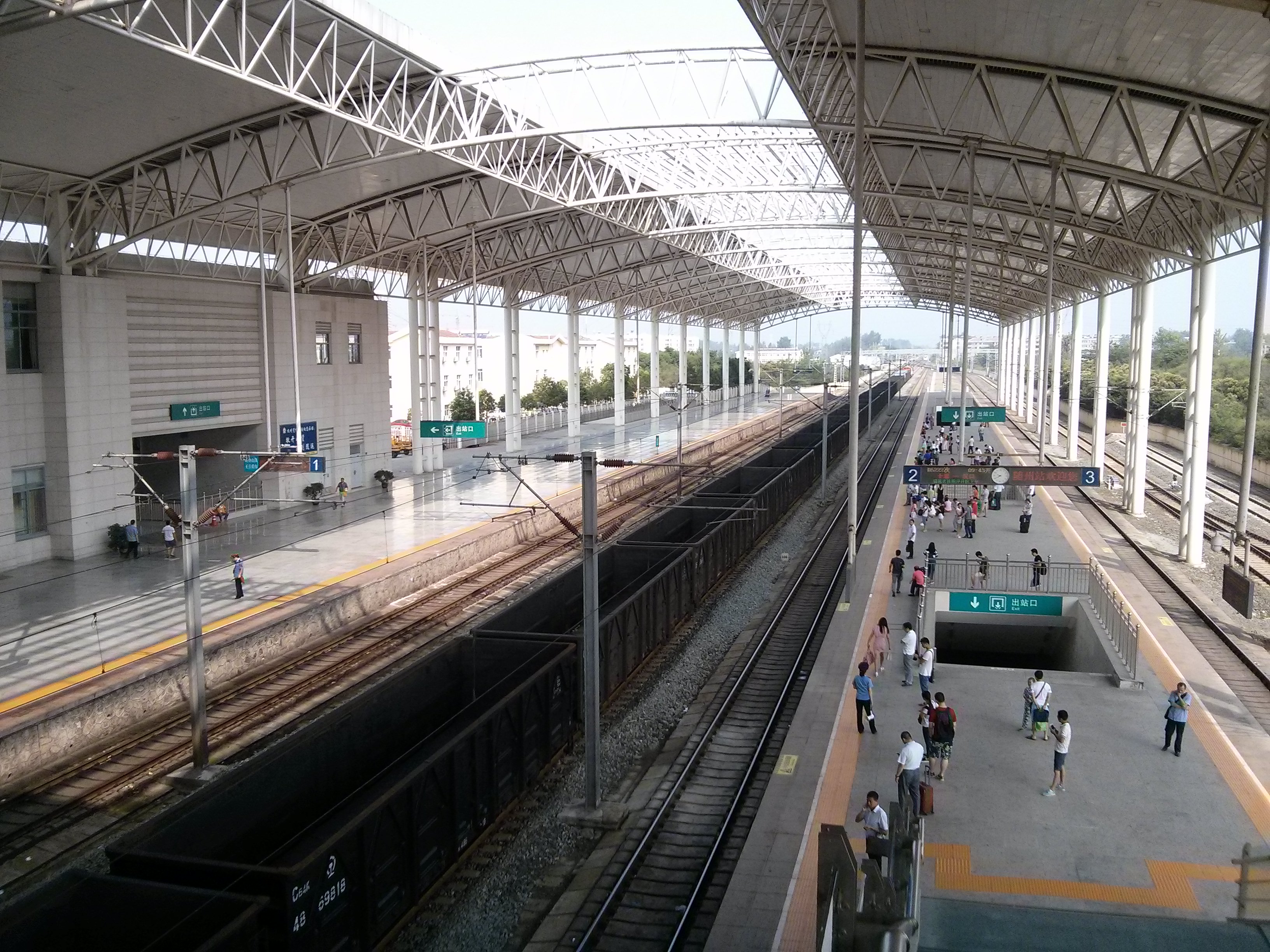
Suizhou, China
Data updated Sep 3, 2026
📊 Scores
Best fit: FIRE / Geoarbitrage (score: 83)
Manufacturing and agriculture anchor Suizhou's economy, with the Economic Development Area hosting automotive parts suppliers, food processing plants, and light industrial firms that employ a significant share of the local workforce. The city's position on the Hubei-Henan border makes it a minor logistics node, and inter-provincial trade keeps some commercial activity moving. Tourism around Dahongshan Scenic Area and the region's Bronze Age archaeological sites generates seasonal work but nothing approaching a primary industry. Remote workers aside, foreign professionals will find almost no English-language job market here.
A one-bedroom in the city center runs around $350/month, and you can eat well at local restaurants for under $3 a meal — cost of living is genuinely low. The Hankou-Danjiangkou Railway connects Suizhou to Wuhan in roughly two hours, which matters because Wuhan is where you'll go for international-standard healthcare, specialist doctors, and anything resembling expat infrastructure. Mandarin is non-negotiable; English signage is essentially absent, and locals have minimal exposure to foreign languages. Bureaucracy for residence permits requires patience and a Chinese-speaking intermediary unless your Mandarin is solid.
Summers are hot and humid, pushing past 35°C regularly; winters are cold and grey, dropping near freezing with damp air that cuts through. Local food leans heavily on Hubei staples — hot dry noodles, braised pork, freshwater fish — and it's good, cheap, and consistent. The expat community is negligible; you will likely be one of very few foreigners in the city. Weekends mean hiking Dahongshan, visiting the Marquis Yi of Zeng tomb museum, or taking the train to Wuhan for a change of pace. This city suits Mandarin-fluent remote workers or retirees who genuinely want immersion in everyday Chinese provincial life with minimal Western comfort infrastructure.
🏚️ Cost of Living
💰 Budgets and Costs
Grocery Basket
Eating Out
Utilities & Lifestyle
Housing
A 1BR in the center runs about $272.08/mo. If your income is in another currency, bank FX fees add up. A multi-currency account can cut that cost.
See low-fee transfersWe may earn a commission at no cost to you.
💰 Real Spend Reports
🛡️ Safety & Crime
(Higher is safer)
(Lower is safer)
Suizhou is a relatively safe mid-sized Chinese city with low violent crime rates typical of inland China. Petty theft and scams targeting foreigners exist but are uncommon. Main concerns include traffic safety (chaotic driving patterns), air quality during winter months, and navigating bureaucratic systems as an expat. Police presence is visible and responsive. For Americans accustomed to major U.S. cities, Suizhou feels notably safer, though you'll need patience with language barriers and cultural adjustment. The city lacks the international infrastructure of tier-1 cities, which can complicate expat life but doesn't significantly impact safety.
Suizhou has a safety index of 64/100. Petty theft and lost belongings are the most common problems for newcomers. Compare travel insurance before you go.
Compare travel insuranceWe may earn a commission at no cost to you.
🏥 Healthcare
🌤️ Climate
Best Months
Climate Notes
Suizhou experiences hot summers and cold winters, with its air quality impacted by industrial activities common in the region.
💻 Digital Nomad
Community Notes
| Name | Price/mo | Notes |
|---|---|---|
| Regus Suizhou Wanda Plaza | $150 | Located in the central Wanda Plaza, this Regus offers a reliable and professional environment. It's a good option for expats looking for a familiar brand and standard amenities in a convenient location. |
| Ucommune (Likely in a nearby major city) | $120 | While a specific Suizhou location is unconfirmed, Ucommune is a major Chinese coworking chain. Check their website for the closest location to Suizhou, which may require a commute to a larger city. Offers a modern, tech-focused environment. |
Working remotely from Suizhou? Nomad health insurance covers you across borders, month to month.
See nomad insuranceWe may earn a commission at no cost to you.
🧳 Expat Life
Expat Life Notes
A smaller city in Hubei. There is essentially no expat infrastructure here.
Pros
- ✓ Low living costs
- ✓ Quiet lifestyle
Cons
- ✗ Complete language barrier
- ✗ No international healthcare
- ✗ No expat social scene
🛂 Visa Options for China
Many long-stay visas require proof of health insurance. Compare international health plans before you apply.
Compare health insuranceWe may earn a commission at no cost to you.
Not sure which China visa you qualify for?
Answer 10 questions and get a personalized match in under 2 minutes.
Could living/working in Suizhou cut years off your work life?
With a 1-bedroom in the center at $272/mo, your FIRE number here might be much lower than you think.
Moving to Suizhou? Estimate what an international move would cost and compare mover quotes.
Estimate my move costShare This Guide
Suizhou won't stay this cheap forever.
Cost-of-living and visa updates for Suizhou and the rest of China. Free with RA Postcards.
By submitting your email address, you will receive a free subscription to RA Postcards and special offers from Rewire Abroad and our affiliates. You can unsubscribe at any time, and we encourage you to read more about our Privacy Policy.