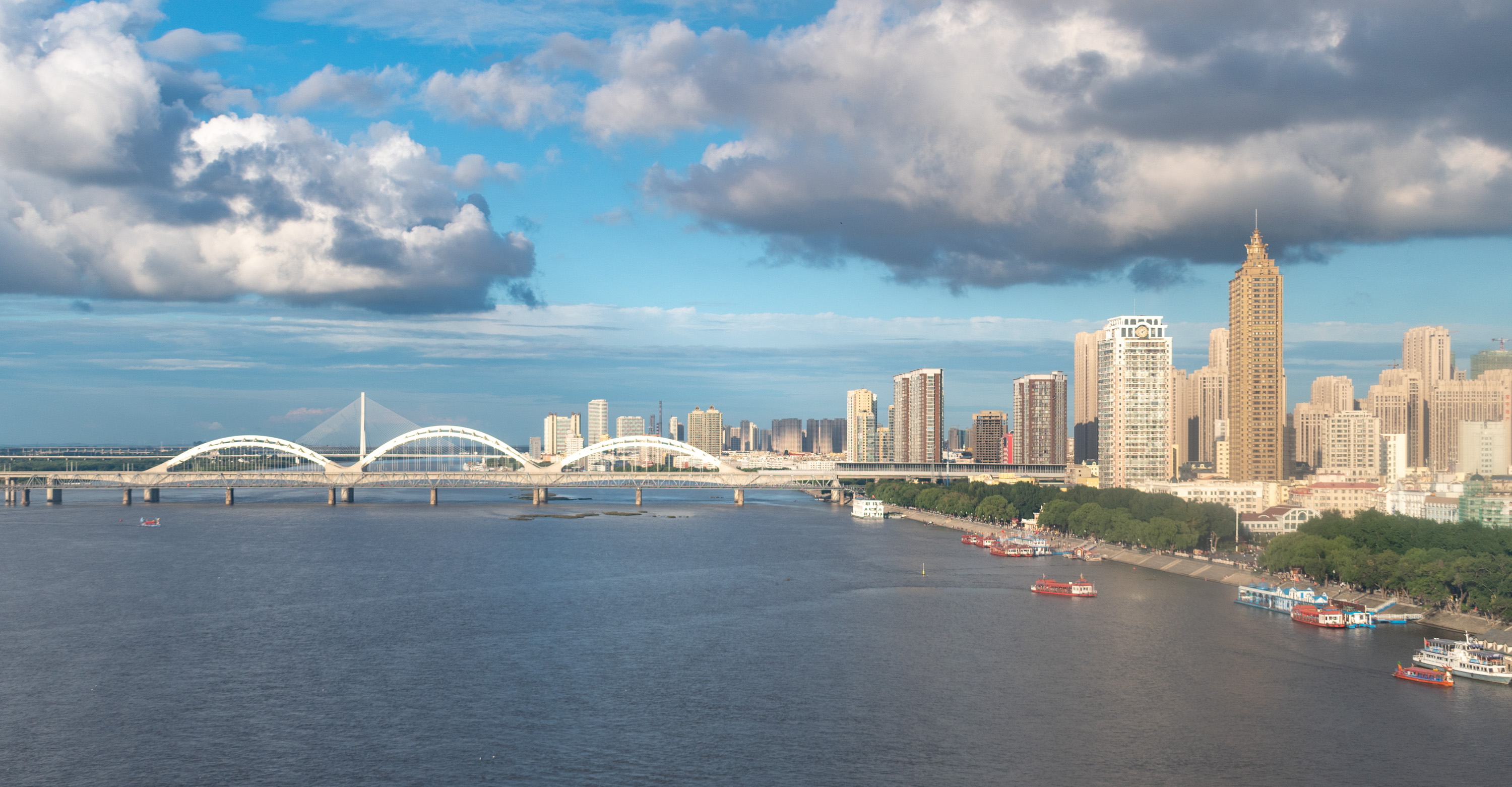
Shuangcheng, China
Data updated Sep 3, 2026
📊 Scores
Best fit: FIRE / Geoarbitrage (score: 76)
Agriculture and food processing drive nearly everything here. Grain production — primarily corn, soybeans, and wheat — dominates the local economy, feeding into a network of food processing plants and light manufacturing facilities that form the district's industrial base. Since the 2014 administrative reorganization folded Shuangcheng into Harbin proper, some spillover development has arrived, but this is not a place where remote workers or foreign professionals find ready employment. Local wages are low, and the job market is almost entirely Chinese-language and domestically oriented.
A one-bedroom in the city center runs around $360/month, and you can do meaningfully better outside the core. Daily expenses are proportionally cheap — meals at local restaurants cost $1.50–3. The district connects to Harbin via regional highways and transit links, putting downtown Harbin roughly 45–60 minutes away, which matters because Shuangcheng's own healthcare infrastructure is limited; anything serious means going to Harbin. Mandarin is essential — English is essentially nonexistent here, and bureaucratic processes like residency registration require either fluency or a patient local contact.
Winters are genuinely brutal: expect weeks below -20°C from December through February, and a short summer that feels almost compensatory with warm temperatures and green farmland. Food is classic Dongbei — hearty dumplings, braised pork, pickled vegetables — and it's good. The expat community is effectively zero; you will not find coworking spaces, English-language social groups, or international supermarkets. Weekends mean Harbin day trips, local markets, or countryside walks. This city suits a specific type: someone partnered with a local, deeply committed to learning Mandarin, and genuinely drawn to quiet, low-cost Northeast Chinese life.
🏚️ Cost of Living
💰 Budgets and Costs
Grocery Basket
Eating Out
Utilities & Lifestyle
Housing
A 1BR in the center runs about $360/mo. If your income is in another currency, bank FX fees add up. A multi-currency account can cut that cost.
See low-fee transfersWe may earn a commission at no cost to you.
💰 Real Spend Reports
🛡️ Safety & Crime
(Higher is safer)
(Lower is safer)
Shuangcheng is a relatively safe mid-sized Chinese city with low violent crime rates typical of inland Heilongjiang province. Petty theft and scams targeting foreigners are the primary concerns; remain vigilant with valuables in crowded areas and be cautious of overly friendly strangers offering deals. The city lacks the cosmopolitan infrastructure of major expat hubs, so language barriers and limited expat community support may pose practical challenges. Overall, it's safer than most American cities, but expats should expect limited English services and fewer familiar safety nets—suitable mainly for those comfortable with smaller Chinese cities and willing to navigate bureaucracy independently.
Shuangcheng has a safety index of 60/100. Petty theft and lost belongings are the most common problems for newcomers. Compare travel insurance before you go.
Compare travel insuranceWe may earn a commission at no cost to you.
🏥 Healthcare
🌤️ Climate
Best Months
Climate Notes
Shuangcheng experiences a stark continental climate with hot summers and extremely cold winters, leading to varying atmospheric conditions throughout the year.
💻 Digital Nomad
Community Notes
| Name | Price/mo | Notes |
|---|---|---|
| Regus Harbin Development Zone | $150 | While technically in Harbin, it's the closest established coworking option to Shuangcheng. Regus offers reliable infrastructure, private offices, and meeting rooms, making it suitable for those needing a professional environment near Shuangcheng. |
| Ucommune (Harbin Wanda) | $120 | Located in Harbin, Ucommune provides a modern coworking environment with various amenities. It's a good option for those willing to commute a bit for a more vibrant coworking community and access to events. |
Working remotely from Shuangcheng? Nomad health insurance covers you across borders, month to month.
See nomad insuranceWe may earn a commission at no cost to you.
🧳 Expat Life
Expat Life Notes
Shuangcheng usually refers to the district in Harbin. It is an industrial satellite known for dairy production. Expat presence is negligible and industry-focused.
Pros
- ✓ Affordable living
- ✓ Close to Harbin city center
Cons
- ✗ Industrial feel
- ✗ Extremely cold winters
- ✗ Bland urban landscape
🛂 Visa Options for China
Many long-stay visas require proof of health insurance. Compare international health plans before you apply.
Compare health insuranceWe may earn a commission at no cost to you.
Not sure which China visa you qualify for?
Answer 10 questions and get a personalized match in under 2 minutes.
Could living/working in Shuangcheng cut years off your work life?
With a 1-bedroom in the center at $360/mo, your FIRE number here might be much lower than you think.
Moving to Shuangcheng? Estimate what an international move would cost and compare mover quotes.
Estimate my move costShare This Guide
Shuangcheng won't stay this cheap forever.
Cost-of-living and visa updates for Shuangcheng and the rest of China. Free with RA Postcards.
By submitting your email address, you will receive a free subscription to RA Postcards and special offers from Rewire Abroad and our affiliates. You can unsubscribe at any time, and we encourage you to read more about our Privacy Policy.