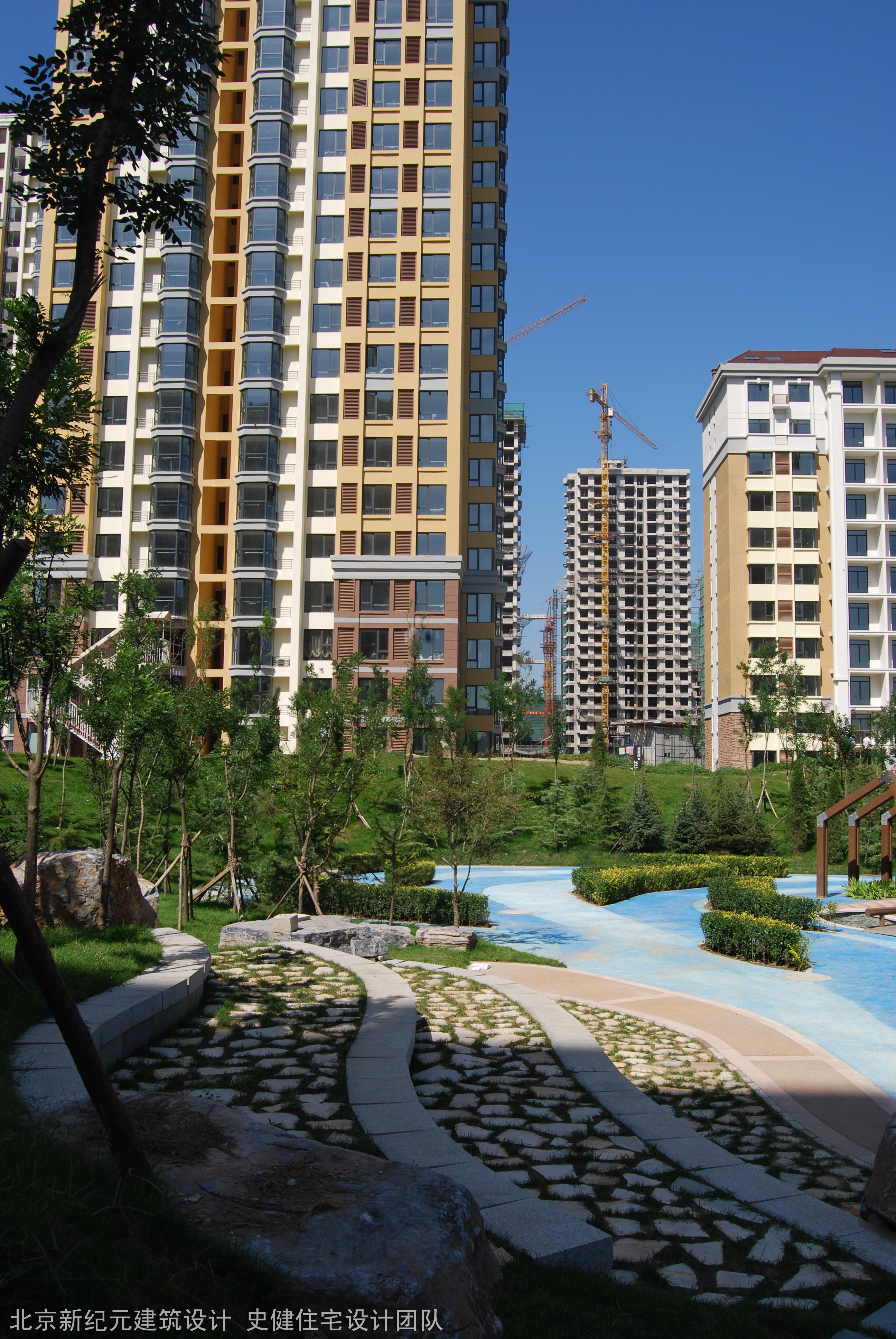
Sanhe sits at just 35 m above sea level in a continental climate zone, with the Asia/Shanghai timezone setting the daily rhythm. The city holds a population of 965 thousand, and its compact scale keeps daily life manageable. Expats tend to settle in two main areas: Sanhe CBD and the Yanjiao Economic Development Zone. Both offer a practical base for newcomers who want access to services and a straightforward commute into the wider region.
Rental costs are a major draw here. A 1-bedroom apartment in the city centre runs $400/mo, while the same outside the centre drops to $300/mo. For larger households, a 3-bedroom in the centre costs $800/mo, and outside the centre it is $600/mo. A single adult can manage on a budget tier total of $900/mo with rent included, while a comfortable tier total reaches $2,300/mo. Excluding rent, a single person spends about $550/mo on monthly costs. Internet speeds average 120 Mbps, which supports remote work and streaming without much friction.
Safety is a strong point, with a safety index of 70/100 and a crime index of 30/100, where lower is safer. Healthcare quality is rated as fair, so residents often plan ahead for specialized care. Air quality sits at an index of 78, where lower is better, meaning some days may call for caution. The expat community is small, so social circles form more slowly, but the overall expat score of 82/100 reflects a generally positive experience for those who settle in.
Getting there is convenient thanks to PEK, the nearest airport, just 10 km away. English proficiency is limited, so learning basic Mandarin helps with daily errands and building local connections. The city suits budget-conscious remote workers and early retirees chasing a low cost of living, with a digital nomad score of 69/100 and a FIRE score of 84/100. Retirees may find the retiree score of 55/100 less compelling, but for those prioritizing affordability and a quiet pace, Sanhe offers a workable base in northern China.
Estimate the cost of moving to Sanhe, China
Get a free moving cost estimate for moving to Sanhe, China. Takes 10 seconds.
How much are you shipping?
When are you moving?
Powered by Sirelo. Free quotes from international movers.
🏚️ Cost of Living
💰 Budgets and Costs
A category breakdown is not available for Sanhe yet. We publish a breakdown only when every category can be priced from local data, rather than showing figures we cannot stand behind.
Rent, 1 bedroom in the centre
$400/mo
Living costs, excluding rent
$550/mo
Still needed for a full breakdown: grocery prices, restaurant prices and utility bills.
Sanhe is a relatively safe city for expats, with low violent crime and strong police presence typical of Chinese administrative centers. Petty theft and scams targeting foreigners exist but are uncommon; remain cautious with valuables in crowded areas and verify taxi credentials. The main concerns are traffic safety (aggressive driving patterns) and navigating bureaucratic processes. Political sensitivity around foreign residents requires discretion regarding sensitive topics. Overall, Sanhe presents minimal security risks for Western expats accustomed to urban China, though it lacks the international infrastructure of tier-1 cities.
Sanhe experiences a temperate continental climate with hot, humid summers (peaks around 41°C) and cold, dry winters (lows around -16°C), offering pleasant spring (April-May) and autumn (September-October) transitions.
💻 Digital Nomad
Avg Internet Speed
120 Mbps
Coworking Availability
Limited
Coworking Spaces Nearby
0
Digital Nomad Score
69/100
Community Notes
Close proximity to Beijing makes it a potential spot for commuters seeking quieter living.
While technically in Langfang, Ucommune offers a convenient option for those in Sanhe due to proximity. It provides standard coworking amenities and a professional environment, suitable for digital nomads seeking a reliable workspace near Sanhe.
Similar to Ucommune, Regus in nearby Langfang is a viable option. It offers a globally recognized brand with consistent quality, making it a comfortable choice for expats. Check specific Langfang locations for accessibility from Sanhe.
See how Sanhe's digital nomad life compares with Qinggang
🧳 Expat Life
English Proficiency
Limited
Expat Community
Small
Top Neighborhoods
Sanhe CBD, Yanjiao Economic Development Zone
Banks Nearby
1
ATMs Nearby
0
Expat Life Notes
Sanhe, specifically the Yanjiao area, is a massive bedroom community for Beijing. It hosts many budget-conscious expats who commute into the capital.
Pros
✓ Significantly lower rent than Beijing
✓ High-speed bus links to Beijing CBD
✓ Modern high-rise apartments
Cons
✗ Severe traffic congestion
✗ Lacks a local international social scene
✗ Crowded buses and trains
🏘️ Neighborhoods in Sanhe
Areas of Sanhe that expats often consider.
Conditions can change from one block to the next, and these descriptions are general guides, not safety assessments. Before choosing where to stay or live, check current travel advisories, talk to people who live there, and visit in person if you can.
Yanjiao
Affordable commuter-friendly suburb
Technically a separate town but functionally a suburb of Sanhe, Yanjiao is known for its lower cost of living and proximity to Beijing. Many residents commute to Beijing for work. While not particularly expat-heavy, the lower rents can be attractive, but language barriers are significant.
Downtown Sanhe (燕郊)
Bustling commercial and residential
The central area of Sanhe offers a mix of shopping, dining, and residential options. It's a lively area with good access to amenities. However, English is not widely spoken, and navigating daily life requires some Mandarin skills.
Gaolou (高楼)
Developing residential high-rises
Gaolou is characterized by newer high-rise apartment complexes. It's a rapidly developing area with increasing amenities. While modern, it lacks a distinct character and remains largely Chinese-speaking.
Cultural District (文化区)
Parks, museums, quieter living
This area tends to be quieter and features parks and cultural institutions. It's a good option for those seeking a more relaxed environment. Expect limited English and a need to adapt to local customs.
Economic Development Zone (经济开发区)
Modern, business-focused, developing
While primarily industrial, the Economic Development Zone has some newer residential areas catering to professionals. Some international businesses operate here, potentially increasing the likelihood of encountering English speakers. However, it's not a tourist destination.
Page 1 of 2
Could living/working in Sanhe cut years off your work life?
With a 1-bedroom in the center at $400/mo, your FIRE number here might be much lower than you think.
Sanhe has a population of approximately 965,075 people.
A single person can expect to spend around $1,000 per month in Sanhe, including rent. A 1-bedroom apartment in the city center costs approximately $400/month.
The nearest airport to Sanhe is PEK, approximately 10.1km away.
Sanhe is considered relatively safe, with a safety index of 70.0. As with any city abroad, expats should research specific neighborhoods before committing to a location.
Sanhe has an average internet speed of 120 Mbps. It is considered a well-established digital nomad destination.
The safety index sits around 70, which is reasonable, but Sanhe's day-labor blocks like Jingle New Village are dense, chaotic, and not set up for foreigners. Petty theft is a real risk in crowded labor markets. Visiting is feasible; living there long-term as a foreigner would be genuinely difficult without Mandarin and local contacts.
No. China's work visa system requires a formal employer sponsor, a recognized qualification, and a minimum salary threshold — none of which apply to day-labor or gig work. Foreigners working informally in logistics or construction would be violating visa terms and risk detention and deportation.
Sanhe Gods (三和大神) are young migrant workers who deliberately opt out of stable employment, working one day to fund two or three days of rest, gaming, and cheap food. The subculture went viral on Baidu Tieba and Bilibili around 2018. It reflects real structural problems — low wages, no social mobility, and exhausting factory conditions — that define the local labor market.
Rent in Sanhe is significantly lower than in major Chinese cities. You can find a decent one-bedroom apartment for around $300-$500 USD per month, depending on the location and amenities. Expect to pay more in areas closer to Yanjiao, which is more developed.
Sanhe is generally considered a safe city with a low crime rate. Petty theft can occur, especially in crowded areas, so it's wise to be cautious with your belongings. As a woman, you're unlikely to encounter significant safety issues, but standard precautions are always recommended.
There isn't a specific retirement visa for China. Americans typically explore long-term tourist visas (L visas), which require frequent renewal and don't allow work. Alternatively, if you have significant investments or business interests, you could explore business visas, but these are complex and require legal assistance.
Internet speed in Sanhe is generally reliable and fast enough for most digital nomad tasks. You can expect download speeds of 50-100 Mbps, sufficient for video conferencing and online work. However, access to certain websites and services may be restricted due to China's internet censorship policies, so a VPN is often necessary.
Coworking spaces are not as prevalent in Sanhe as in larger cities like Beijing or Shanghai. However, many cafes offer free Wi-Fi, although the speed and reliability can vary. Exploring cafes near Yanjiao might yield better options due to the higher concentration of businesses and residents.
Sanhe offers a diverse range of local Chinese cuisine, with many affordable options. You can enjoy a meal at a local restaurant for around $5-$10 USD. Expect to find plenty of noodle shops, dumpling houses, and street food vendors.
Sanhe's public transportation system primarily consists of buses, which are affordable but can be crowded. Taxis and ride-hailing services are also available. Many expats find it convenient to use a bicycle or scooter for shorter distances. The proximity to Beijing also allows for easy access via train.
Sanhe experiences a four-season climate with hot, humid summers and cold, dry winters. Temperatures can range from below freezing in winter to over 90°F (32°C) in summer. Spring and autumn offer more pleasant weather, but can be short-lived.
English proficiency is limited in Sanhe, especially outside of tourist areas or international businesses. Learning basic Mandarin phrases is highly recommended for daily interactions. Translation apps can be helpful, but be prepared for communication challenges.
International banks are not common in Sanhe. You'll primarily find Chinese banks like Bank of China or ICBC. ATMs are widely available, but check for international transaction fees. It's advisable to open a local bank account for easier transactions.
As a US citizen living in Sanhe, you're still required to file US taxes annually. You may be eligible for the Foreign Earned Income Exclusion (FEIE) or the Foreign Tax Credit, which can significantly reduce your tax liability. Also, be aware of FBAR reporting requirements for foreign bank accounts.
Retiring in Sanhe on $1500 USD per month is feasible, but requires careful budgeting. Housing, food, and local transportation are relatively inexpensive. However, healthcare costs and potential visa expenses should be factored in. It's a comfortable budget compared to many Western cities, but less so than some other Southeast Asian retirement destinations.
Healthcare in Sanhe is generally adequate, but the quality may not be on par with Western standards. Finding English-speaking doctors can be challenging. For serious medical issues, many expats travel to Beijing for better facilities and international hospitals. Health insurance is highly recommended.
Sanhe offers a slower pace of life compared to major Chinese metropolises like Beijing or Shanghai. While still a bustling city, it has a more relaxed atmosphere, making it appealing for those seeking a less hectic environment. This can be a significant draw for retirees or those seeking a break from fast-paced Western lifestyles.
Cost-of-living and visa updates for Sanhe and the rest of China. Free with RA Postcards.
By submitting your email address, you will receive a free subscription to RA Postcards and special offers from Rewire Abroad and our affiliates. You can unsubscribe at any time, and we encourage you to read more about our Privacy Policy.