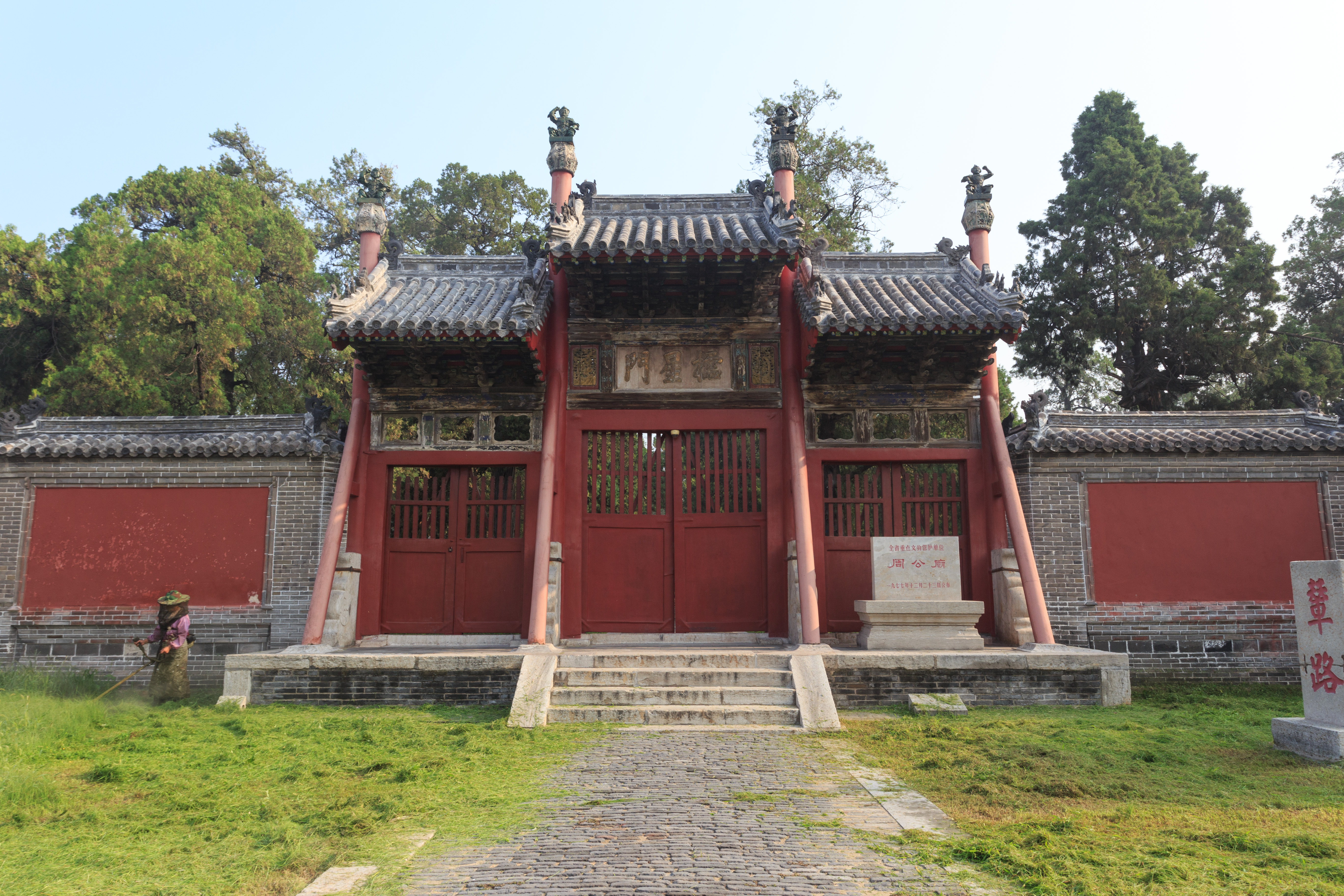
Qufu, China
Data updated Sep 3, 2026
📊 Scores
Tourism is the engine here, full stop. The Three Confucian Sites — a UNESCO World Heritage cluster — pull millions of domestic Chinese tourists annually, and the local economy is built almost entirely around serving them: ticket sales, hospitality, traditional crafts, and Confucian-themed cultural education. Research centers and academies tied to Confucian philosophy provide some academic employment, but private-sector job diversity is thin. Foreign professionals will find almost no international job market; the realistic earners here are remote workers, academics on institutional contracts, or those running tourism-adjacent businesses.
Rent for a decent two-bedroom apartment runs roughly ¥1,500–2,500/month ($210–350 USD), making it genuinely cheap by any standard. Local food and transport are inexpensive — city buses cost ¥1, and taxis are rare but affordable. Healthcare access is limited to county-level hospitals; anything serious means a trip to Jinan, 130 km north. The language barrier is severe: English is functionally nonexistent outside tourist sites, and navigating bureaucracy — residency registration, banking, visa renewals — requires either fluent Mandarin or a patient local contact. Expect friction.
Summers are hot and humid, pushing 35°C in July; winters are genuinely cold, dropping below freezing in January with limited central heating in older buildings. Food is Shandong-style — hearty, wheat-heavy, good value. Weekends mean walking ancient temple grounds, cycling the surrounding countryside, or day-tripping to Jining or Jinan. The expat community is essentially nonexistent — you will likely be the only foreigner in most rooms. This city suits a specific type: a remote worker or academic who wants extreme affordability, historical depth, and doesn't need an English-speaking social scene to feel at home.
🏚️ Cost of Living
💰 Budgets and Costs
Grocery Basket
Eating Out
Utilities & Lifestyle
Housing
A 1BR in the center runs about $300/mo. If your income is in another currency, bank FX fees add up. A multi-currency account can cut that cost.
See low-fee transfersWe may earn a commission at no cost to you.
💰 Real Spend Reports
🛡️ Safety & Crime
(Higher is safer)
(Lower is safer)
Qufu is a very safe city for expats, with low violent crime and strong police presence typical of smaller Chinese cities. Petty theft and scams targeting foreigners are minimal concerns here. The main risks are traffic safety (chaotic driving patterns), air quality during winter months, and standard expat challenges like language barriers and bureaucratic friction rather than crime. As the birthplace of Confucius with significant cultural tourism, Qufu maintains orderly public spaces. For Americans accustomed to major U.S. cities, this feels notably safer, though you'll need to adapt to Chinese living norms and limited English-language services.
🏥 Healthcare
🌤️ Climate
Best Months
Climate Notes
Qufu has a humid continental climate with hot, humid summers (39°C) and cold, dry winters (-11°C); spring (March-May) and autumn (September-November) offer the most comfortable conditions for expats.
💻 Digital Nomad
Community Notes
| Name | Price/mo | Notes |
|---|---|---|
| Regus Jinan Greenland Center | $180 | While technically in Jinan, it's the closest reputable international coworking chain option to Qufu. Regus offers reliable amenities and a professional environment, suitable for expats needing a familiar workspace. Located in the Greenland Center, a landmark building in Jinan. |
| U+ Coffee & Coworking (Jining) | $120 | Located in nearby Jining, U+ offers a blend of coffee shop and coworking space. It provides a more relaxed atmosphere with decent internet and is a good option for those who prefer a less formal environment. It's a popular choice among local entrepreneurs and freelancers. |
Working remotely from Qufu? Nomad health insurance covers you across borders, month to month.
See nomad insuranceWe may earn a commission at no cost to you.
🧳 Expat Life
Expat Life Notes
Qufu is the birthplace of Confucius. It is a historic pilgrimage site with a small community of international academics and researchers.
Pros
- ✓ Deeply historic and cultural
- ✓ Compact and walkable
- ✓ Inexpensive
Cons
- ✗ Small city feel
- ✗ Limited modern entertainment
- ✗ Cold winters
🛂 Visa Options for China
Many long-stay visas require proof of health insurance. Compare international health plans before you apply.
Compare health insuranceWe may earn a commission at no cost to you.
Not sure which China visa you qualify for?
Answer 10 questions and get a personalized match in under 2 minutes.
Could living/working in Qufu cut years off your work life?
With a 1-bedroom in the center at $300/mo, your FIRE number here might be much lower than you think.
Moving to Qufu? Estimate what an international move would cost and compare mover quotes.
Estimate my move costShare This Guide
Qufu won't stay this cheap forever.
Cost-of-living and visa updates for Qufu and the rest of China. Free with RA Postcards.
By submitting your email address, you will receive a free subscription to RA Postcards and special offers from Rewire Abroad and our affiliates. You can unsubscribe at any time, and we encourage you to read more about our Privacy Policy.