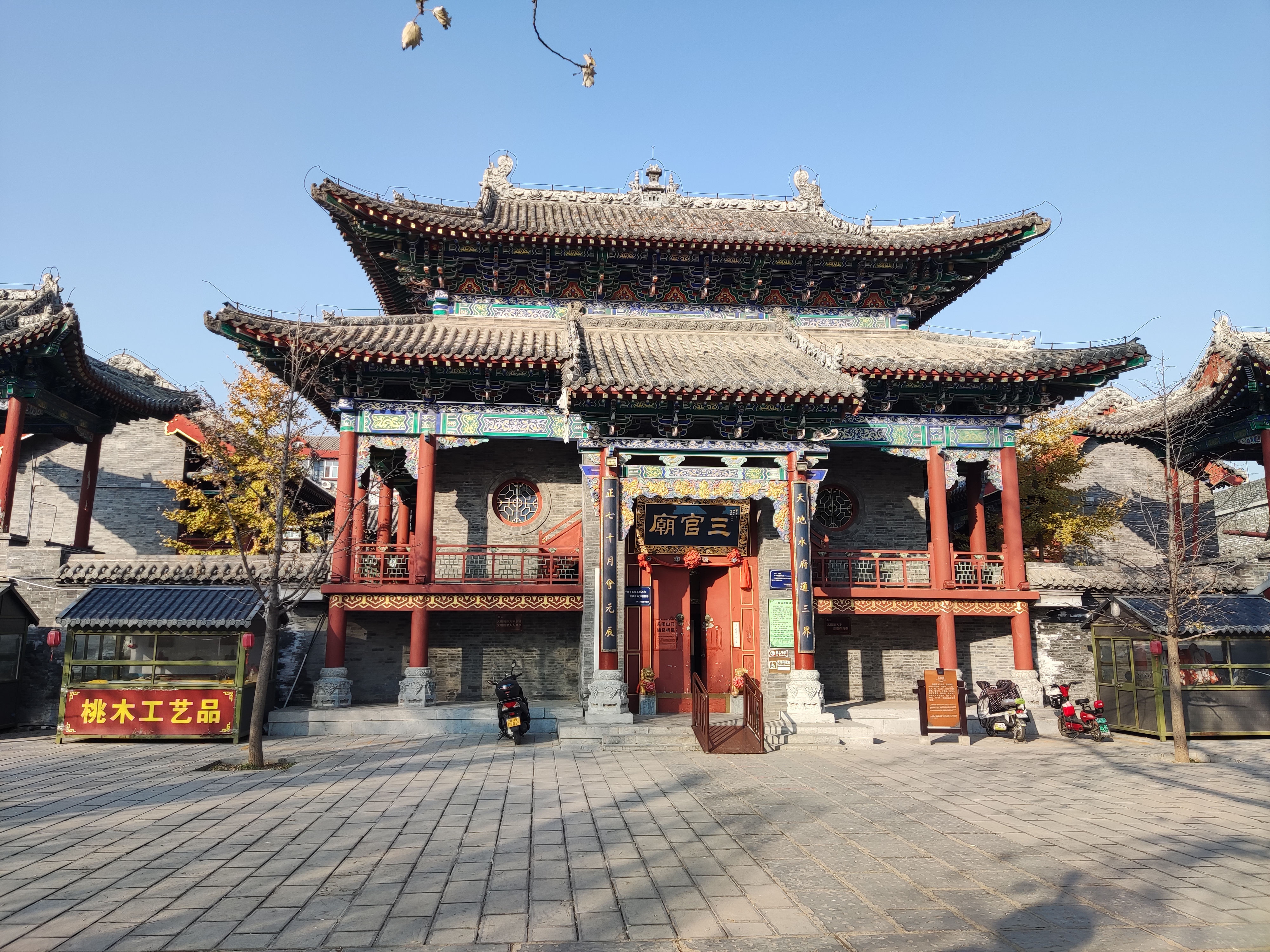
Qingzhou sits in Shandong province at just 34 m above sea level, within the Asia/Shanghai timezone, and it experiences a temperate continental climate with hot, humid summers that peak around 41°C in July and August and cold, dry winters that drop near -15°C in January. The city holds a population of 961 thousand, and expats tend to settle in two areas: Qingzhou Ancient City and the Yunmen Mountain area. These neighborhoods offer a mix of historic atmosphere and access to daily necessities, though the expat community size is small and English proficiency is limited.
Living costs in Qingzhou are remarkably low, with a cost of living index of 37 out of 100 compared to New York City. A one-bedroom apartment in the city centre rents for $410/mo, while outside the centre it drops to $300/mo. Three-bedroom units go for $780/mo in the centre and $550/mo outside. For a single adult, the budget tier total including rent is $403/mo, the mid-range tier is $568/mo, and the comfortable tier is $737/mo. Monthly costs excluding rent average $490/mo for one person and $1,650/mo for a family of four. Utilities run $94/mo, internet is $7/mo, and a mobile phone plan costs $6/mo. Eating out is cheap: an inexpensive restaurant meal is $4 per person, a mid-range three-course meal for two is $24, and a cappuccino is $4.
Safety in Qingzhou is moderate, with a safety index of 58 out of 100 and a crime index of 42, where lower is safer. Healthcare quality is rated as fair, so residents often travel to larger cities for specialized care. The air quality index stands at 78, which is on the higher side, and average internet speed is 35 Mbps. These factors contribute to an overall expat score of 74 out of 100, a FIRE score of 76, a retiree score of 50, and a digital nomad score of 57.
Visas are available through standard channels, though specific programs are not named here. The nearest airport is TAO, located 140 km away, making ground transfers a consideration for arrivals. Qingzhou best suits budget-conscious expats, early retirees focused on financial independence, and remote workers who value low costs over large expat networks or high-speed connectivity. The small expat community and limited English proficiency mean that learning some Mandarin will greatly improve daily life.