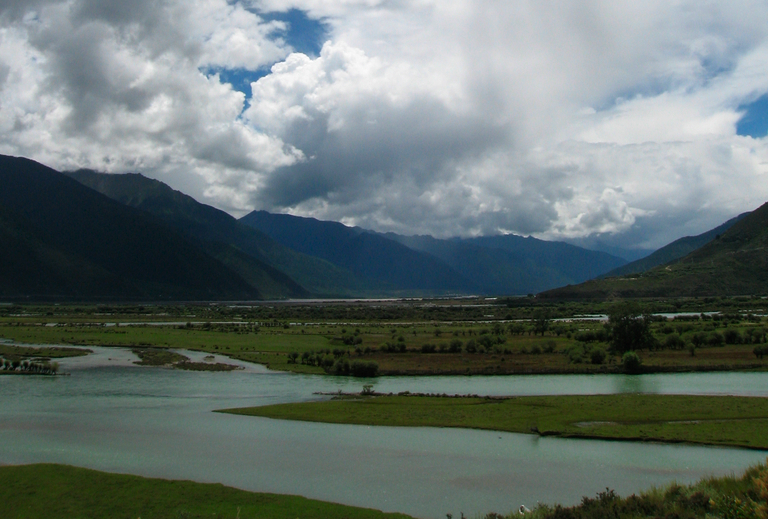
Qamdo, China
Data updated Sep 3, 2026
📊 Scores
Transportation infrastructure dominates Chamdo's economy more than traditional sectors now. Bangda Airport and the highway junction to Lhasa, Sichuan, and Yunnan create logistics jobs, though most are government or state-owned enterprise positions requiring Mandarin fluency and political reliability. Agriculture and yak herding persist in surrounding areas, but urban employment increasingly means Chinese companies, tourism operators, or administrative roles. Remote work is realistic; local internet is adequate but monitored.
Rent runs $200–400/month for a decent apartment; food costs $150–250 monthly if you eat local. Mandarin is essential for bureaucracy and most services; Tibetan speakers exist but won't help with permits. Healthcare is basic—serious issues require Lhasa or beyond. Altitude (3,240m) causes real acclimatization problems for weeks. Permits to enter Tibet are mandatory and genuinely restrictive; you cannot simply move here as an expat. Police presence is heavy and surveillance is constant.
Winters hit -20°C; summers stay cool. Tibetan Buddhist culture is visible in monasteries and festivals, though political constraints are obvious. The expat community is tiny—maybe 20–30 people, mostly teachers or NGO staff on temporary visas. Weekends mean hiking, monastery visits, or driving to nearby valleys. Chamdo suits only those with specific work contracts, serious altitude tolerance, and comfort with political restrictions and limited freedom of movement.
🏚️ Cost of Living
A 1BR in the center runs about $132.57/mo. If your income is in another currency, bank FX fees add up. A multi-currency account can cut that cost.
See low-fee transfersWe may earn a commission at no cost to you.
💰 Real Spend Reports
🛡️ Safety & Crime
(Higher is safer)
(Lower is safer)
Qamdo is a relatively safe Tibetan city with low violent crime rates typical of remote Chinese towns. Petty theft and pickpocketing occur occasionally in markets and crowded areas, but organized crime and violent assault are rare. Main concerns for expats include limited emergency services, language barriers complicating police interaction, and geopolitical sensitivities around Tibet—avoid political discussions and large gatherings. The city's isolation means fewer expat support networks and slower response times for medical emergencies. Overall, it's reasonably safe for those comfortable with remote living and Chinese government oversight, though not ideal for those seeking vibrant expat communities or Western-standard services.
Qamdo has a safety index of 60/100. Petty theft and lost belongings are the most common problems for newcomers. Compare travel insurance before you go.
Compare travel insuranceWe may earn a commission at no cost to you.
🏥 Healthcare
🌤️ Climate
Best Months
Climate Notes
Qamdo experiences significant temperature variation with mild summers and cold winters, and it generally has good air quality due to low industrial activity and its mountainous geography.
💻 Digital Nomad
Community Notes
| Name | Price/mo | Notes |
|---|---|---|
| IWG Spaces Lhasa | $250 | While technically in Lhasa, it's the closest internationally recognized coworking option. Offers reliable internet, meeting rooms, and a professional environment suitable for expats needing a consistent workspace, even with the travel involved. |
| Lhasa Economic and Technological Development Zone Incubation Center | $150 | Located in the Lhasa Economic and Technological Development Zone, this center likely offers shared office spaces and resources for startups and entrepreneurs. While primarily for local businesses, it could be an option for remote workers seeking a basic, affordable workspace and networking opportunities, requiring a commute from Qamdo. |
Working remotely from Qamdo? Nomad health insurance covers you across borders, month to month.
See nomad insuranceWe may earn a commission at no cost to you.
🧳 Expat Life
🛂 Visa Options for China
Many long-stay visas require proof of health insurance. Compare international health plans before you apply.
Compare health insuranceWe may earn a commission at no cost to you.
Not sure which China visa you qualify for?
Answer 10 questions and get a personalized match in under 2 minutes.
Could living/working in Qamdo cut years off your work life?
With a 1-bedroom in the center at $80/mo, your FIRE number here might be much lower than you think.
Moving to Qamdo? Estimate what an international move would cost and compare mover quotes.
Estimate my move costShare This Guide
Qamdo won't stay this cheap forever.
Cost-of-living and visa updates for Qamdo and the rest of China. Free with RA Postcards.
By submitting your email address, you will receive a free subscription to RA Postcards and special offers from Rewire Abroad and our affiliates. You can unsubscribe at any time, and we encourage you to read more about our Privacy Policy.