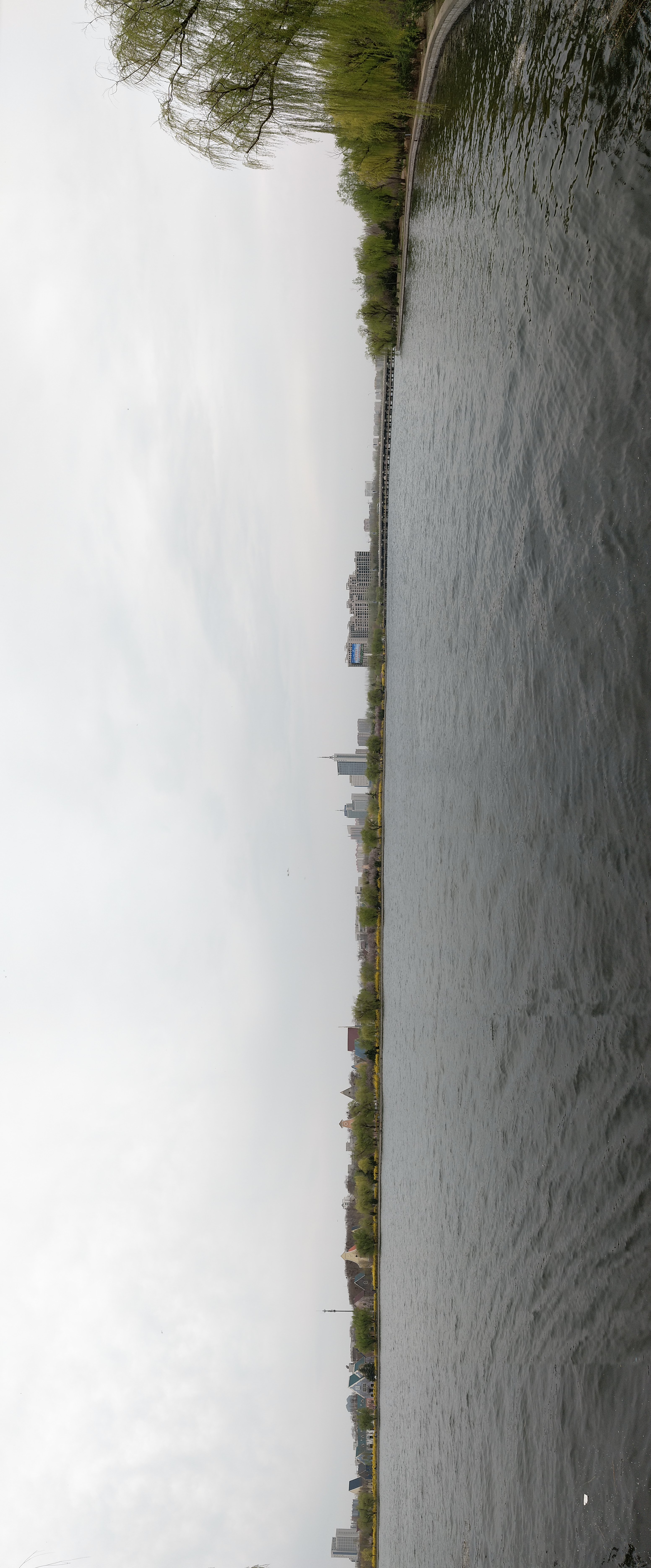
Mihe, China
Data updated Sep 29, 2026
📊 Scores
Best fit: FIRE / Geoarbitrage (score: 83)
Agriculture runs everything here. Shouguang built its economy on vegetables — literally becoming China's largest produce distribution hub through a wholesale market that now moves product to every province. Greenhouse farming, pioneered locally with plastic tunnel technology in 1989, created a dense network of small-scale farming operations and supporting industries: fertilizer manufacturing, food processing, packaging, and chemical inputs. Paper manufacturing is a serious secondary pillar — the city was China's top glossy and coated paper producer as of 2011. Remote workers and digital nomads have essentially no ecosystem here.
Rent is genuinely low — expect $200–$350/month for a decent apartment in a mid-tier Chinese city of this size and profile. Local transport is functional but not foreigner-friendly; buses exist, but taxis and ride-hailing apps like Didi are your real options. Healthcare access means public hospitals with Mandarin-only staff — no English, no exceptions, bring a translator or a local contact. Bureaucracy for foreign residents follows standard Chinese visa and registration requirements, which are procedurally demanding. The language barrier is severe; almost no English is spoken outside any context.
Winters are cold and dry, summers hot and humid — northern Shandong is not a climate you move to for comfort. Food is genuinely good if you eat Chinese: fresh produce is absurdly cheap and high quality given the agricultural base, and local Shandong cuisine is hearty and underrated. The expat community is effectively zero — this is not a city foreigners relocate to voluntarily. Weekends mean local parks, regional day trips to Weifang or the coast at Laizhou Bay, and a social life conducted entirely in Mandarin. This city suits one type of person: someone working in agribusiness or manufacturing with a company posting them here.
🏚️ Cost of Living
💰 Budgets and Costs
Grocery Basket
Eating Out
Utilities & Lifestyle
Housing
A 1BR in the center runs about $300/mo. If your income is in another currency, bank FX fees add up. A multi-currency account can cut that cost.
See low-fee transfersWe may earn a commission at no cost to you.
💰 Real Spend Reports
🛡️ Safety & Crime
(Higher is safer)
(Lower is safer)
Mihe is a relatively safe city for expats, with low violent crime and strong police presence typical of Chinese urban centers. Petty theft and scams targeting foreigners occur occasionally—watch for overcharging in tourist areas and online shopping fraud. Avoid displaying expensive items and use registered taxis or ride-sharing apps. The main concerns are bureaucratic hassles rather than personal safety. Air quality and traffic can be hazardous; pollution levels fluctuate seasonally. Overall, a reasonable choice for remote workers or retirees seeking stability, though the smaller expat community means fewer established support networks compared to major cities.
🏥 Healthcare
🌤️ Climate
Best Months
Climate Notes
Mihe experiences a temperate continental climate with hot, humid summers (June-August) and cold, dry winters (December-February), typical of inland northern China.
💻 Digital Nomad
Community Notes
| Name | Price/mo | Notes |
|---|---|---|
| Regus Mihe, Wanda Plaza | $180 | Located in the central Wanda Plaza, this Regus offers a professional environment with serviced offices and coworking spaces. It's a convenient option for expats due to its central location and access to amenities. |
| Ucommune (Mihe) | $150 | Ucommune is a popular coworking chain in China. While specific Mihe location details are hard to find, they often have locations in developing cities. Check their website for the most up-to-date information. |
Working remotely from Mihe? Nomad health insurance covers you across borders, month to month.
See nomad insuranceWe may earn a commission at no cost to you.
🧳 Expat Life
Expat Life Notes
Mihe is a small industrial town in Henan with no international residents.
Pros
- ✓ Local prices
Cons
- ✗ No amenities
- ✗ No English spoken
- ✗ Isolated
🛂 Visa Options for China
Many long-stay visas require proof of health insurance. Compare international health plans before you apply.
Compare health insuranceWe may earn a commission at no cost to you.
Not sure which China visa you qualify for?
Answer 10 questions and get a personalized match in under 2 minutes.
Could living/working in Mihe cut years off your work life?
With a 1-bedroom in the center at $300/mo, your FIRE number here might be much lower than you think.
Estimate the cost of moving to Mihe, China
Get a free moving cost estimate for moving to Mihe, China. Takes 10 seconds.
How much are you shipping?
When are you moving?
Powered by Sirelo. Free quotes from verified international movers.
Share This Guide
Mihe won't stay this cheap forever.
Cost-of-living and visa updates for Mihe and the rest of China. Free with RA Postcards.
By submitting your email address, you will receive a free subscription to RA Postcards and special offers from Rewire Abroad and our affiliates. You can unsubscribe at any time, and we encourage you to read more about our Privacy Policy.