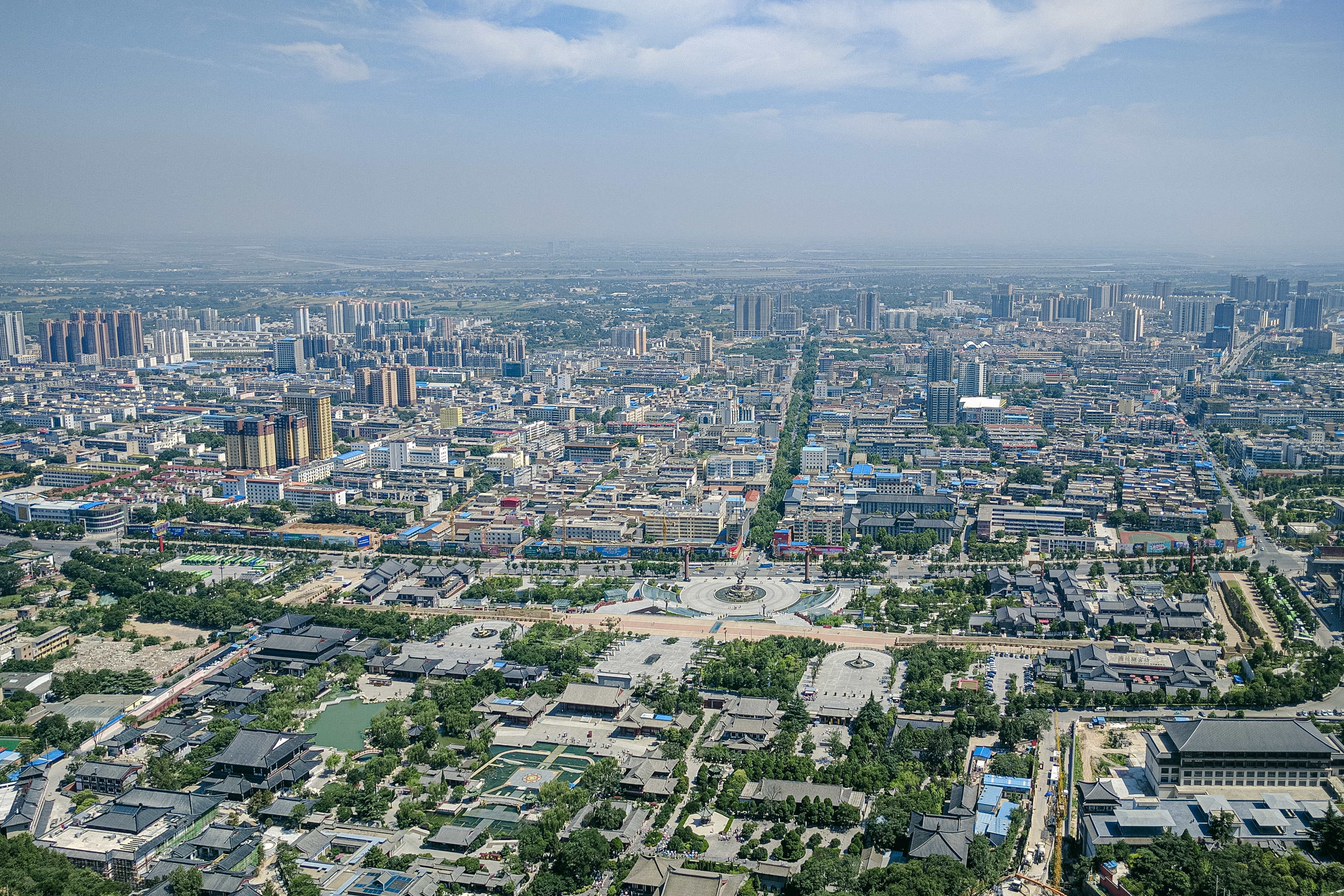
Lintong, China
Data updated Sep 3, 2026
📊 Scores
Best fit: FIRE / Geoarbitrage (score: 81)
Tourism anchored to the Terracotta Army site dominates the local economy, pulling in millions of domestic and international visitors annually and sustaining hotels, restaurants, souvenir manufacturing, and tour operations. Beyond that, the National Time Service Center of the Chinese Academy of Sciences employs researchers and technical staff, while the 47th Group Army headquarters adds a significant military-civilian employment layer. For foreign workers, realistic job options are narrow: English teaching at local schools or tourism-adjacent roles, with most professional positions requiring Mandarin fluency and Chinese credentials.
Rent runs cheap by any standard — a decent one-bedroom apartment sits around ¥1,500–2,500/month ($210–$350 USD), and daily food costs are low if you eat local. Xi'an's metro Line 9 connects Lintong to the city center in roughly 40 minutes, making the commute manageable. Healthcare means traveling into central Xi'an for anything beyond basic clinics; international-standard care doesn't exist locally. Bureaucracy is real: residence permits, visa renewals, and any government interaction will require a Mandarin speaker unless you hire help. English signage is sparse outside the tourist sites.
Winters are genuinely cold, dropping below freezing with dry winds, and summers are hot and humid — neither extreme is comfortable without preparation. The food scene is a genuine highlight: Xi'an-style lamb skewers, biang biang noodles, and roujiamo are cheap and excellent. The expat community is tiny — you're looking at a handful of English teachers and researchers, not a social network. Weekends mean the Terracotta Army, hot springs at Huaqing Pool, and day trips into Xi'an proper. This city suits researchers, heritage-focused travelers doing extended stays, or budget-conscious expats who want Xi'an access without Xi'an prices.
🏚️ Cost of Living
💰 Budgets and Costs
Grocery Basket
Eating Out
Utilities & Lifestyle
Housing
A 1BR in the center runs about $300/mo. If your income is in another currency, bank FX fees add up. A multi-currency account can cut that cost.
See low-fee transfersWe may earn a commission at no cost to you.
💰 Real Spend Reports
🛡️ Safety & Crime
(Higher is safer)
(Lower is safer)
Lintong is a relatively safe city for expats, with low violent crime rates typical of smaller Chinese cities. Petty theft and scams targeting foreigners exist but are uncommon compared to major urban centers. Main concerns include navigating language barriers in emergencies, traffic safety (driving standards vary), and occasional police scrutiny of foreigners. Avoid displaying expensive items and stay aware in crowded markets. The geopolitical environment is stable for residents. Overall, a reasonable choice for expats seeking a quieter, safer alternative to larger Chinese cities, though you'll need patience with bureaucracy and limited English services.
🏥 Healthcare
🌤️ Climate
Best Months
Climate Notes
Lintong has a temperate continental climate with hot, dry summers (38°C) and cold winters (-8°C), moderate humidity at 60%, and significant seasonal variation typical of central China's interior plateau regions.
💻 Digital Nomad
Community Notes
| Name | Price/mo | Notes |
|---|---|---|
| Regus Xi'an High-Tech Zone | $180 | While technically in Xi'an, this Regus location in the High-Tech Zone offers a reliable and professional environment with standard amenities. It's a good option for those who need a familiar brand and are willing to commute from Lintong, offering a stable workspace with good transport links. |
| WeWork CapitaLand Innovation Fund Park | $220 | Located in Xi'an's Gaoxin District, this WeWork provides a modern and vibrant coworking environment. It's suitable for expats seeking a global community and offers amenities like private offices, conference rooms, and a collaborative atmosphere, though it requires travel from Lintong. |
Working remotely from Lintong? Nomad health insurance covers you across borders, month to month.
See nomad insuranceWe may earn a commission at no cost to you.
🧳 Expat Life
🛂 Visa Options for China
Many long-stay visas require proof of health insurance. Compare international health plans before you apply.
Compare health insuranceWe may earn a commission at no cost to you.
Not sure which China visa you qualify for?
Answer 10 questions and get a personalized match in under 2 minutes.
Could living/working in Lintong cut years off your work life?
With a 1-bedroom in the center at $300/mo, your FIRE number here might be much lower than you think.
Moving to Lintong? Estimate what an international move would cost and compare mover quotes.
Estimate my move costShare This Guide
Lintong won't stay this cheap forever.
Cost-of-living and visa updates for Lintong and the rest of China. Free with RA Postcards.
By submitting your email address, you will receive a free subscription to RA Postcards and special offers from Rewire Abroad and our affiliates. You can unsubscribe at any time, and we encourage you to read more about our Privacy Policy.