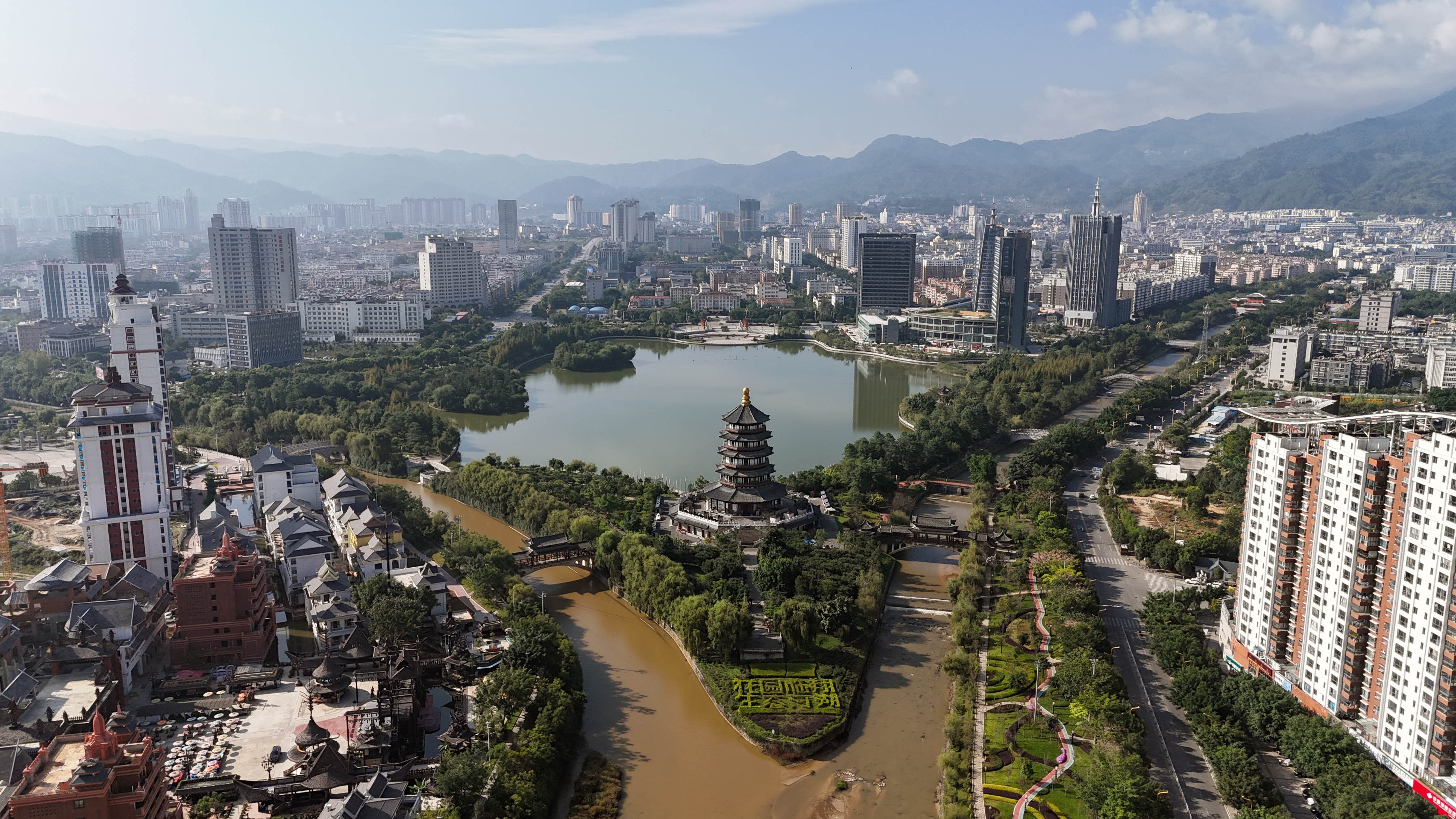
Lincang, China
Data updated Sep 29, 2026
📊 Scores
Best fit: FIRE / Geoarbitrage (score: 81)
Tea is the economic backbone here — Lincang sits at the center of Pu'er tea production, and the industry touches everything from smallholder farming to processing factories and export logistics. Mining adds another layer, with coal, germanium, and uranium extraction providing industrial employment. For expats, the honest reality is that formal job opportunities are almost nonexistent outside of English teaching at local schools or universities. Remote workers are the only other realistic category, and even they'll find the infrastructure less reliable than Kunming or Dali.
A decent apartment runs roughly ¥1,500–2,500/month ($210–350), and daily costs are genuinely low — street meals under ¥15, local transport cheap and functional. Lincang Boshang Airport connects to Kunming, and the Dali-Lincang railway helps, but you're still in a secondary city with limited direct links. Healthcare is available at prefecture-level hospitals, but English-speaking doctors are essentially absent. Mandarin is non-negotiable here — unlike Yunnan tourist hubs, almost no one in daily life speaks English, and signage is Chinese-only. Bureaucracy for residence registration is standard Chinese procedure but requires patience and a local contact.
The climate is genuinely pleasant — warm year-round, rarely oppressive, with a defined rainy season from June to September. Food leans heavily on Yunnan staples: rice noodles, wild mushrooms, grilled meats, and minority-cuisine influences from the 37% ethnic minority population. Weekends mean hiking river valleys, visiting ancient tea gardens, or crossing into Myanmar for a day trip if paperwork allows. The expat community is tiny — likely fewer than 50 long-term foreign residents — so social life is built with locals or not at all. This city suits location-independent workers who want ultra-low costs, genuine remoteness, and zero tourist infrastructure in exchange.
🏚️ Cost of Living
💰 Budgets and Costs
Grocery Basket
Eating Out
Utilities & Lifestyle
Housing
A 1BR in the center runs about $220/mo. If your income is in another currency, bank FX fees add up. A multi-currency account can cut that cost.
See low-fee transfersWe may earn a commission at no cost to you.
💰 Real Spend Reports
🛡️ Safety & Crime
(Higher is safer)
(Lower is safer)
Lincang is a relatively safe city for expats, with low violent crime rates typical of smaller Chinese cities. Petty theft and scams targeting foreigners exist but are uncommon. Main concerns include traffic safety (chaotic driving patterns), limited English support in emergencies, and the standard restrictions on foreign residents (VPN limitations, internet censorship). The city's remote location in Yunnan Province means fewer expat communities and services. For Americans accustomed to major cities, Lincang feels secure but requires patience with bureaucracy and language barriers. No significant geopolitical risks, though China's political environment warrants awareness of surveillance and restricted freedoms.
🏥 Healthcare
🌤️ Climate
Best Months
Climate Notes
Lincang has a subtropical highland climate with warm, humid summers (June-September averaging 34°C) and mild winters (December-February around 5°C), featuring a distinct monsoon season bringing heavy rainfall from May to October.
💻 Digital Nomad
Community Notes
| Name | Price/mo | Notes |
|---|---|---|
| Lincang Yunxiao Business Center | $60 | While not a traditional coworking space, this government-supported business center offers affordable office space and resources for entrepreneurs and small businesses, including shared desks and meeting rooms. Located in the main business district, it's a practical option for budget-conscious remote workers. |
| Regus Kunming Shuncheng Fortune Center | $150 | While technically in Kunming, it's the closest Regus location and a viable option if you're willing to travel for a day or two to access a more established coworking environment. Regus offers reliable amenities and a professional atmosphere, suitable for expats needing a familiar workspace. |
Working remotely from Lincang? Nomad health insurance covers you across borders, month to month.
See nomad insuranceWe may earn a commission at no cost to you.
🧳 Expat Life
Expat Life Notes
Lincang is a prefecture in southwestern Yunnan Province bordering Myanmar. It is known for tea cultivation (particularly Yunnan Pu-erh and Dian Hong), ethnic minority diversity including the Wa, De'ang, and Bulang peoples, and its proximity to the Golden Triangle. No expat community is present but the area attracts some tea researchers and cultural travelers. Infrastructure is developing but basic.
Pros
- ✓ Low cost of living
- ✓ Exceptional tea culture
- ✓ Rich ethnic minority heritage
- ✓ Scenic Yunnan landscapes
Cons
- ✗ No English spoken
- ✗ No expat infrastructure
- ✗ Remote border region
- ✗ Limited healthcare
🛂 Visa Options for China
Many long-stay visas require proof of health insurance. Compare international health plans before you apply.
Compare health insuranceWe may earn a commission at no cost to you.
Not sure which China visa you qualify for?
Answer 10 questions and get a personalized match in under 2 minutes.
Could living/working in Lincang cut years off your work life?
With a 1-bedroom in the center at $220/mo, your FIRE number here might be much lower than you think.
Moving to Lincang? Estimate what an international move would cost and compare mover quotes.
Estimate my move costShare This Guide
Lincang won't stay this cheap forever.
Cost-of-living and visa updates for Lincang and the rest of China. Free with RA Postcards.
By submitting your email address, you will receive a free subscription to RA Postcards and special offers from Rewire Abroad and our affiliates. You can unsubscribe at any time, and we encourage you to read more about our Privacy Policy.