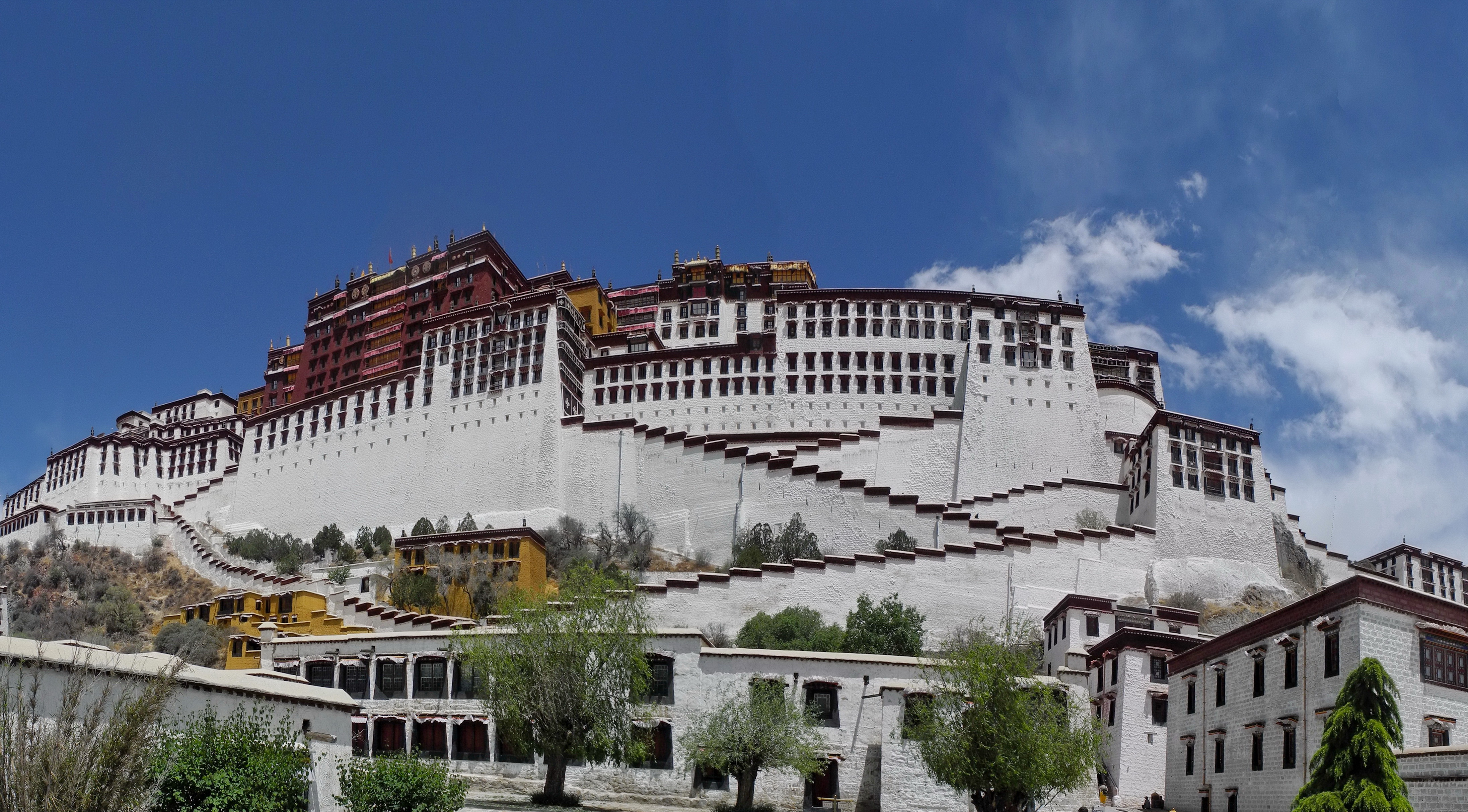
Lhasa, China
Data updated Sep 29, 2026
📊 Scores
Best fit: FIRE / Geoarbitrage (score: 76)
Government administration and tourism drive most employment here, with construction and services filling out the job market. Han Chinese migration has brought entrepreneurs and skilled workers, while many Tibetans work in tourism, hospitality, or traditional trades. Manufacturing exists but remains limited. Foreign employment is virtually impossible without extensive connections and permits — this isn't a destination for typical expat careers. Most economic activity revolves around serving the 300,000+ annual tourists visiting Buddhist sites.
Rent averages $581 for a one-bedroom downtown, comparable to major Chinese cities despite the remote location. The altitude hits hard — 3,656 meters means weeks of adjustment and ongoing fatigue for many. Healthcare is basic outside emergency services. Mandarin is essential; English is rare outside tourist areas. Bureaucracy is intense even by Chinese standards, with additional permits required for Tibet. Public transport is limited but taxis are cheap at around $0.30 per kilometer.
Intense sunshine (3,000 hours annually) compensates for harsh winters averaging 0°C year-round. Food is heavy on yak, barley, and butter tea — acquired tastes. The expat community is tiny, mostly aid workers and researchers. Weekends mean temple visits, hiking when acclimatized, or escaping to lower altitudes. This suits adventurous souls seeking spiritual experiences and cultural immersion, not comfort-seekers or career climbers.
🏚️ Cost of Living
💰 Budgets and Costs
Grocery Basket
Eating Out
Utilities & Lifestyle
Housing
A 1BR in the center runs about $650.14/mo. If your income is in another currency, bank FX fees add up. A multi-currency account can cut that cost.
See low-fee transfersWe may earn a commission at no cost to you.
💰 Real Spend Reports
🛡️ Safety & Crime
(Higher is safer)
(Lower is safer)
Lhasa is relatively safe for expats regarding conventional crime—violent crime and street theft are uncommon. However, safety concerns are primarily geopolitical rather than criminal: the city experiences heavy police presence, surveillance, and periodic restrictions on movement due to political sensitivities around Tibetan autonomy. Expats should expect limited freedom of movement, internet censorship, and potential travel disruptions. Petty scams targeting foreigners exist but are infrequent. The main risk isn't crime but navigating a highly controlled environment with restricted access to information and occasional lockdowns. This city suits only those comfortable with significant government oversight.
Lhasa has a safety index of 60/100. Petty theft and lost belongings are the most common problems for newcomers. Compare travel insurance before you go.
Compare travel insuranceWe may earn a commission at no cost to you.
🏥 Healthcare
🌤️ Climate
Best Months
Climate Notes
Lhasa has a high-altitude semi-arid climate with mild summers (27°C), cold winters (-8°C), low humidity (40%), and dramatic seasonal variation; expats should expect intense UV exposure, thin air, and dry conditions year-round.
💻 Digital Nomad
Community Notes
| Name | Price/mo | Notes |
|---|---|---|
| Tibet Shambhala Adventure Travel Service | $100 | While not a dedicated coworking space, this travel service in Lhasa offers a reliable internet connection and a comfortable environment for remote workers. It's a good option for digital nomads looking for a place to work while exploring the city, and can assist with travel arrangements. |
| Regus Lhasa | $250 | Regus offers a professional coworking environment in Lhasa, providing reliable internet, meeting rooms, and administrative support. It's a good option for those who need a more formal workspace and is located in a central business area. |
Working remotely from Lhasa? Nomad health insurance covers you across borders, month to month.
See nomad insuranceWe may earn a commission at no cost to you.
🧳 Expat Life
Expat Life Notes
The spiritual capital of Tibet. Permanent expat relocation is highly regulated and usually limited to specific educational or tourism roles.
Pros
- ✓ Extraordinary spiritual and cultural atmosphere
- ✓ Breathtaking mountain scenery
- ✓ Unique historic environment
Cons
- ✗ Severe political and movement restrictions
- ✗ High altitude sickness risk
- ✗ Severe language barrier
🛂 Visa Options for China
Many long-stay visas require proof of health insurance. Compare international health plans before you apply.
Compare health insuranceWe may earn a commission at no cost to you.
Not sure which China visa you qualify for?
Answer 10 questions and get a personalized match in under 2 minutes.
Could living/working in Lhasa cut years off your work life?
With a 1-bedroom in the center at $520/mo, your FIRE number here might be much lower than you think.
Estimate the cost of moving to Lhasa, China
Get a free moving cost estimate for moving to Lhasa, China. Takes 10 seconds.
How much are you shipping?
When are you moving?
Powered by Sirelo. Free quotes from verified international movers.
Share This Guide
Lhasa won't stay this cheap forever.
Cost-of-living and visa updates for Lhasa and the rest of China. Free with RA Postcards.
By submitting your email address, you will receive a free subscription to RA Postcards and special offers from Rewire Abroad and our affiliates. You can unsubscribe at any time, and we encourage you to read more about our Privacy Policy.