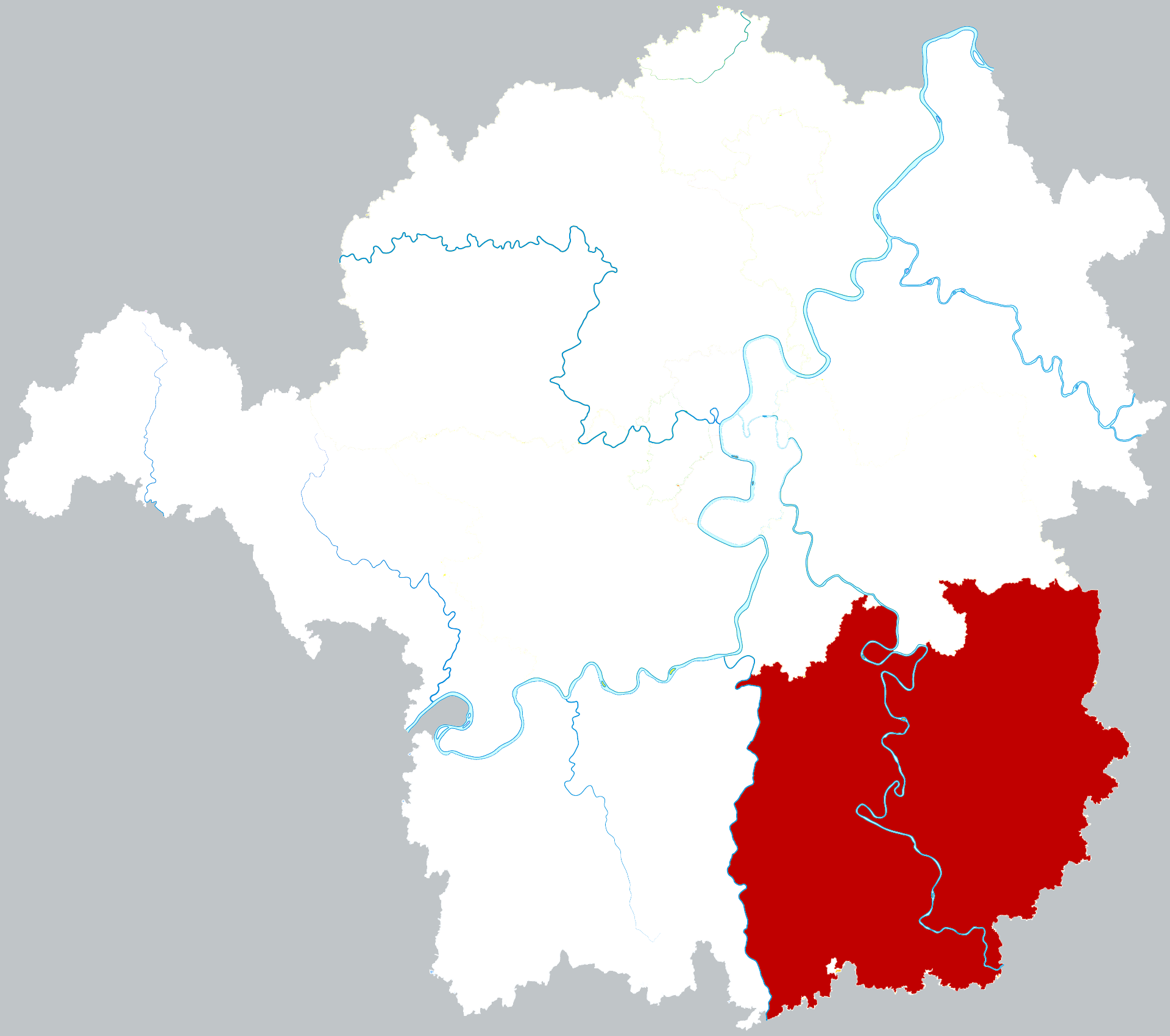
Leiyang, China
Data updated Sep 3, 2026
📊 Scores
Best fit: FIRE / Geoarbitrage (score: 80)
Agriculture, light manufacturing, and papermaking-related industries form the economic backbone here — a legacy tied directly to Cai Lun, the Han Dynasty official credited with refining papermaking, who was born in this area. Local factories produce paper products, textiles, and processed agricultural goods. For foreign workers, formal employment opportunities are essentially nonexistent outside of English teaching, and even those positions are scarce compared to larger Hunan cities like Changsha or Hengyang. Most expats who end up here are attached to a specific employer or institution from the start.
Rent for a decent two-bedroom apartment runs roughly ¥1,200–¥2,000/month ($165–$275 USD), making it genuinely cheap by any standard. Local transport is bus-heavy and inexpensive, and rail connections to Hengyang (about 40 minutes) open up better hospital access and shopping. Healthcare in Leiyang itself is limited to county-level hospitals — adequate for minor issues, inadequate for anything complex. Mandarin is non-negotiable; English is essentially absent from daily life, signage, and bureaucracy. Registering residence, opening bank accounts, and navigating local administration will require a Chinese-speaking contact.
Summers are hot and humid, pushing past 35°C regularly; winters are mild but damp, rarely dropping below freezing. Local food is solidly Hunanese — aggressively spicy, heavy on pork and preserved vegetables, and genuinely good if you can handle the heat. There is no meaningful expat community here, no international restaurants, and no English-language social infrastructure. Weekends mean local parks, the Cai Lun cultural sites, or a train ride to Hengyang for anything resembling urban amenities. This city suits someone already embedded in a Chinese institution who wants extremely low costs and doesn't need an expat support network.
🏚️ Cost of Living
💰 Budgets and Costs
Grocery Basket
Eating Out
Utilities & Lifestyle
Housing
A 1BR in the center runs about $220/mo. If your income is in another currency, bank FX fees add up. A multi-currency account can cut that cost.
See low-fee transfersWe may earn a commission at no cost to you.
💰 Real Spend Reports
🛡️ Safety & Crime
(Higher is safer)
(Lower is safer)
Leiyang is a relatively safe mid-sized Chinese city with low violent crime rates typical of inland Hunan province. Petty theft and scams targeting foreigners exist but are uncommon; main concerns include traffic safety, counterfeit goods, and occasional police harassment of expats. Avoid displaying wealth, stay aware in crowded markets, and keep copies of important documents separate. The city lacks the cosmopolitan infrastructure of tier-1 cities, which can complicate expat life but also means fewer organized crime networks. Overall a reasonable choice for risk-averse retirees comfortable with limited English and Chinese bureaucracy.
Leiyang has a safety index of 55/100. Petty theft and lost belongings are the most common problems for newcomers. Compare travel insurance before you go.
Compare travel insuranceWe may earn a commission at no cost to you.
🏥 Healthcare
🌤️ Climate
Best Months
Climate Notes
Leiyang has a humid subtropical climate with hot, wet summers (May-September) and mild, dry winters, typical of central Hunan Province.
💻 Digital Nomad
Community Notes
| Name | Price/mo | Notes |
|---|---|---|
| Regus Hengyang, Wanda Center | $150 | While technically in Hengyang (close to Leiyang), this Regus location in the Wanda Center offers a reliable, professional environment with standard amenities. It's a good option for those seeking a familiar international brand and is easily accessible. |
| Ucommune (Likely in Nearby Hengyang) | $120 | Ucommune is a large coworking chain in China. While a specific Leiyang location is unconfirmed, checking for locations in nearby Hengyang is worthwhile. They offer a modern, tech-focused environment. |
Working remotely from Leiyang? Nomad health insurance covers you across borders, month to month.
See nomad insuranceWe may earn a commission at no cost to you.
🧳 Expat Life
Expat Life Notes
Leiyang in Hunan is an industrial city focused on paper and mining. It has zero expat infrastructure.
Pros
- ✓ Cheap living costs
Cons
- ✗ Heavily industrial
- ✗ Language barrier
- ✗ Lack of amenities
🛂 Visa Options for China
Many long-stay visas require proof of health insurance. Compare international health plans before you apply.
Compare health insuranceWe may earn a commission at no cost to you.
Not sure which China visa you qualify for?
Answer 10 questions and get a personalized match in under 2 minutes.
Could living/working in Leiyang cut years off your work life?
With a 1-bedroom in the center at $220/mo, your FIRE number here might be much lower than you think.
Moving to Leiyang? Estimate what an international move would cost and compare mover quotes.
Estimate my move costShare This Guide
Leiyang won't stay this cheap forever.
Cost-of-living and visa updates for Leiyang and the rest of China. Free with RA Postcards.
By submitting your email address, you will receive a free subscription to RA Postcards and special offers from Rewire Abroad and our affiliates. You can unsubscribe at any time, and we encourage you to read more about our Privacy Policy.