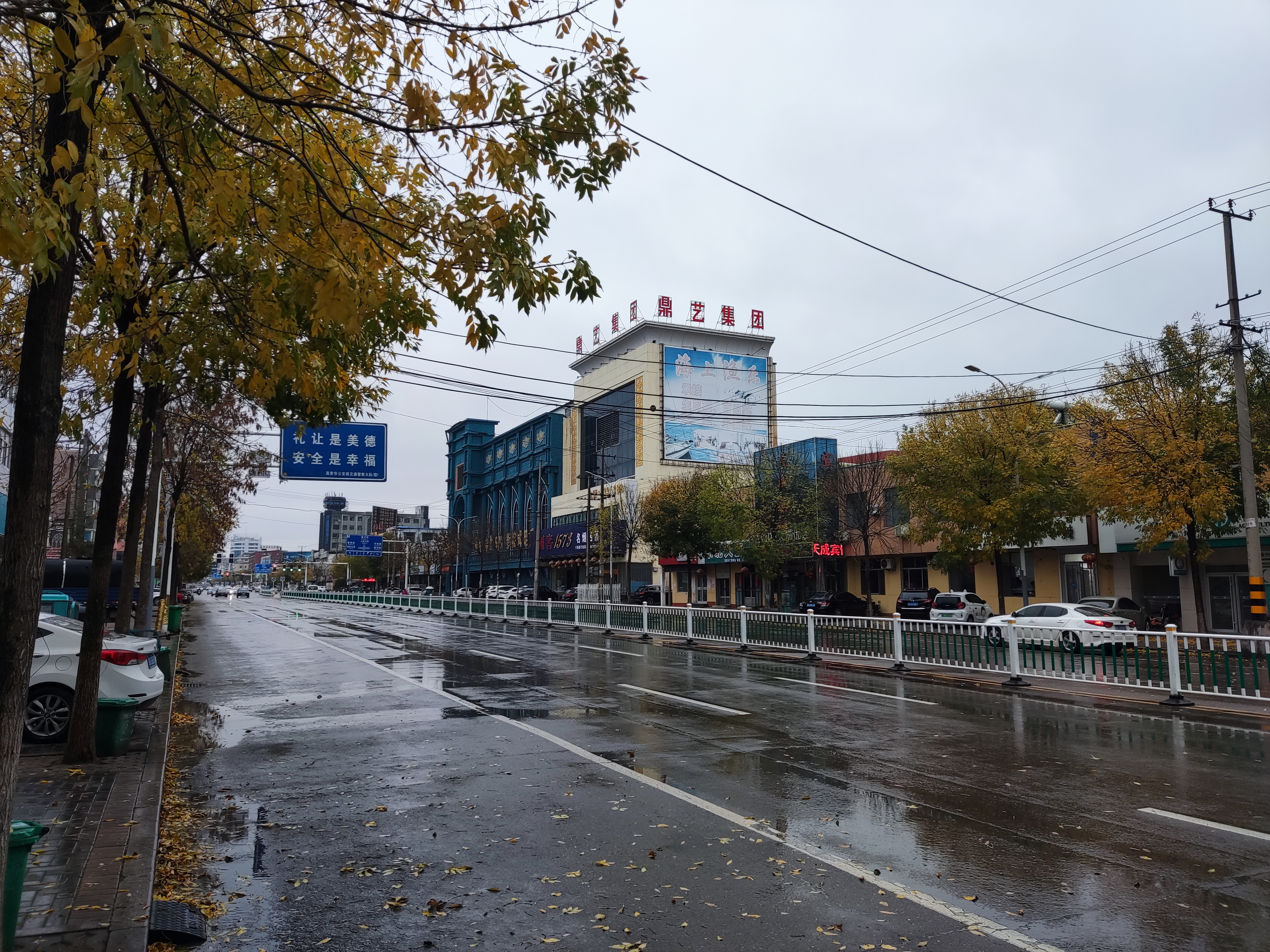
Kanjia, China
Data updated Sep 29, 2026
📊 Scores
Best fit: FIRE / Geoarbitrage (score: 84)
Living in Kanjia means settling into a midsize Chinese city with a population pushing 900,000. It’s part of Gaomi, a county-level city in Shandong province, and falls under Weifang’s administrative umbrella. The city is divided into three subdistricts and seven towns, offering a mix of urban and semi-rural living. Kanjia’s claim to fame is being the hometown of Mo Yan, the Nobel Prize-winning author, which gives the area a cultural edge.
Daily life here is straightforward but comes with the usual Chinese bureaucratic hurdles. Expect paperwork delays for visas and residency permits, and don’t count on English being widely spoken. The city’s size means amenities are decent, but you’ll need to travel to Weifang or Qingdao for more specialized services. Kanjia works for expats who want a quieter, affordable base in China, but it’s not ideal for those needing a fast-paced urban lifestyle or extensive international amenities.
🏚️ Cost of Living
💰 Budgets and Costs
Grocery Basket
Eating Out
Utilities & Lifestyle
Housing
A 1BR in the center runs about $450/mo. If your income is in another currency, bank FX fees add up. A multi-currency account can cut that cost.
See low-fee transfersWe may earn a commission at no cost to you.
💰 Real Spend Reports
🛡️ Safety & Crime
(Higher is safer)
(Lower is safer)
Kanjia is a very safe city for expats, with low violent crime and strong police presence typical of Chinese tier-2 cities. Petty theft and scams targeting foreigners exist but are uncommon; main concerns are traffic safety, counterfeit goods in markets, and occasional overcharging by vendors unfamiliar with foreign customers. Avoid displaying expensive electronics or large cash amounts. The city's size and established expat community make it manageable for remote workers and retirees. No significant geopolitical risks. Overall, a solid choice for safety-conscious Americans seeking a quieter Chinese experience.
🏥 Healthcare
🌤️ Climate
Best Months
Climate Notes
Kanjia experiences a continental climate with extreme temperatures, characterized by hot summers and cold winters, which along with the city's industrial activities, likely contribute to moderate air pollution levels.
💻 Digital Nomad
Community Notes
| Name | Price/mo | Notes |
|---|---|---|
| URWork (various locations in Kunshan, near Kanjia) | $150 | While not directly *in* Kanjia, URWork has several locations in nearby Kunshan, easily accessible and a popular choice. They offer modern facilities, a professional atmosphere, and networking opportunities, making it suitable for expats seeking a reliable workspace. |
| Regus (Kunshan) | $180 | Similar to URWork, Regus has locations in Kunshan, providing a globally recognized brand with consistent quality. Expect reliable internet, meeting rooms, and a business-focused environment, ideal for remote workers needing a professional setting. |
| InnoSpace (Kunshan) | $120 | InnoSpace, located in nearby Kunshan, caters to startups and entrepreneurs, fostering a collaborative and innovative atmosphere. It's a good option for those seeking a more dynamic and community-oriented coworking experience. |
Working remotely from Kanjia? Nomad health insurance covers you across borders, month to month.
See nomad insuranceWe may earn a commission at no cost to you.
🧳 Expat Life
Expat Life Notes
Kanjia is a small township or village-level locality in China. Very limited publicly available international data exists on this place. It has no known expat presence. All estimates here are based on general conditions for small Chinese rural settlements and carry significant uncertainty.
Pros
- ✓ Very low cost of living
- ✓ Rural setting
Cons
- ✗ No expat community
- ✗ No English spoken
- ✗ Very limited services
- ✗ High data uncertainty
🛂 Visa Options for China
Many long-stay visas require proof of health insurance. Compare international health plans before you apply.
Compare health insuranceWe may earn a commission at no cost to you.
Not sure which China visa you qualify for?
Answer 10 questions and get a personalized match in under 2 minutes.
Could living/working in Kanjia cut years off your work life?
With a 1-bedroom in the center at $450/mo, your FIRE number here might be much lower than you think.
Estimate the cost of moving to Kanjia, China
Get a free moving cost estimate for moving to Kanjia, China. Takes 10 seconds.
How much are you shipping?
When are you moving?
Powered by Sirelo. Free quotes from verified international movers.
Share This Guide
Kanjia won't stay this cheap forever.
Cost-of-living and visa updates for Kanjia and the rest of China. Free with RA Postcards.
By submitting your email address, you will receive a free subscription to RA Postcards and special offers from Rewire Abroad and our affiliates. You can unsubscribe at any time, and we encourage you to read more about our Privacy Policy.