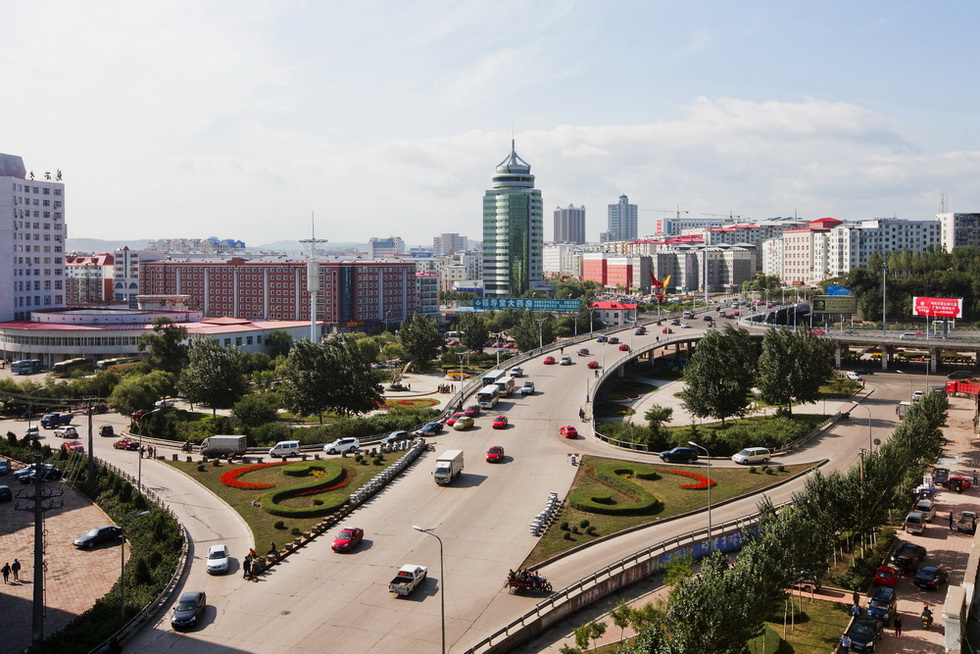
Jixi, China
Data updated Sep 29, 2026
📊 Scores
Best fit: FIRE / Geoarbitrage (score: 82)
Coal built Jixi, and coal's decline is the defining economic reality here. The Muling Colliery once produced 1.6 million tons annually, but decades of mine closures have gutted the industrial base, leaving behind unemployment, outmigration, and a city actively scrambling to reinvent itself through forestry, agriculture, and cross-border trade with Russia 30 kilometers away. Remote workers and foreign professionals have essentially no job market to tap — this is a city for people embedded in Chinese state industries, local government, or running small trade operations across the Russian border.
Rent is genuinely cheap: a decent two-bedroom apartment runs roughly ¥800–1,200 ($110–165 USD) per month. The real cost is the winter, which runs October through March with temperatures regularly hitting -20°C, meaning heating bills spike and daily life contracts significantly. Healthcare exists but is basic — serious conditions mean traveling to Harbin, about 3.5 hours away. Mandarin is the only practical language here; Russian gets you nowhere locally, and English is essentially absent. Bureaucracy for foreign residents follows standard Chinese visa and registration requirements, which are manageable but require patience and a local contact.
Winters are long, dark, and genuinely brutal — this is not a lifestyle destination. Summers are short but pleasant, with outdoor markets and border-area day trips to Russia providing some novelty. The food scene leans heavily on northeastern Chinese staples: dumplings, braised pork, pickled vegetables, and hearty soups that make sense given the climate. The expat community is effectively nonexistent; you will be the foreigner in most rooms. Jixi suits one specific type of person: someone with a concrete reason to be in northeastern China — cross-border trade, academic research, or family ties — who prioritizes low costs over comfort or community.
🏚️ Cost of Living
💰 Budgets and Costs
Grocery Basket
Eating Out
Utilities & Lifestyle
Housing
A 1BR in the center runs about $200/mo. If your income is in another currency, bank FX fees add up. A multi-currency account can cut that cost.
See low-fee transfersWe may earn a commission at no cost to you.
💰 Real Spend Reports
🛡️ Safety & Crime
(Higher is safer)
(Lower is safer)
Jixi is a relatively safe industrial city in northeastern China with low violent crime rates typical of Chinese municipalities. Petty theft and scams targeting foreigners exist but are uncommon. Main concerns for expats include navigating language barriers in emergencies, limited English-speaking police support, and standard urban precautions (avoiding isolated areas at night, securing valuables). The city's remote location and smaller expat community mean fewer established support networks. Overall, Jixi presents manageable safety for experienced expats comfortable with China's regulatory environment and willing to learn basic Mandarin.
🏥 Healthcare
🌤️ Climate
Best Months
Climate Notes
Jixi has a continental climate with cold, long winters (November–March) and mild summers, featuring significant temperature swings and moderate air quality challenges typical of northeastern China.
💻 Digital Nomad
Community Notes
| Name | Price/mo | Notes |
|---|---|---|
| Regus Jixi | $120 | Regus offers a reliable, professional environment with various locations likely in Jixi's central business districts. Expect standard amenities like meeting rooms and printing services, suitable for those needing a consistent workspace. |
| Ucommune (Likely Partner Location) | $90 | While direct Ucommune presence is uncertain, they often partner with local spaces. Look for a Ucommune-affiliated space offering a modern, tech-focused vibe, potentially in a newer development area of Jixi. |
Working remotely from Jixi? Nomad health insurance covers you across borders, month to month.
See nomad insuranceWe may earn a commission at no cost to you.
🧳 Expat Life
Expat Life Notes
Jixi is a coal-mining city in Heilongjiang near the Russian border. The expat community is virtually non-existent besides the occasional Russian trader.
Pros
- ✓ Cross-border trade opportunities
- ✓ Inexpensive
Cons
- ✗ Extreme cold
- ✗ Industrial decay
- ✗ Remote
🛂 Visa Options for China
Many long-stay visas require proof of health insurance. Compare international health plans before you apply.
Compare health insuranceWe may earn a commission at no cost to you.
Not sure which China visa you qualify for?
Answer 10 questions and get a personalized match in under 2 minutes.
Could living/working in Jixi cut years off your work life?
With a 1-bedroom in the center at $200/mo, your FIRE number here might be much lower than you think.
Estimate the cost of moving to Jixi, China
Get a free moving cost estimate for moving to Jixi, China. Takes 10 seconds.
How much are you shipping?
When are you moving?
Powered by Sirelo. Free quotes from verified international movers.
Share This Guide
Jixi won't stay this cheap forever.
Cost-of-living and visa updates for Jixi and the rest of China. Free with RA Postcards.
By submitting your email address, you will receive a free subscription to RA Postcards and special offers from Rewire Abroad and our affiliates. You can unsubscribe at any time, and we encourage you to read more about our Privacy Policy.