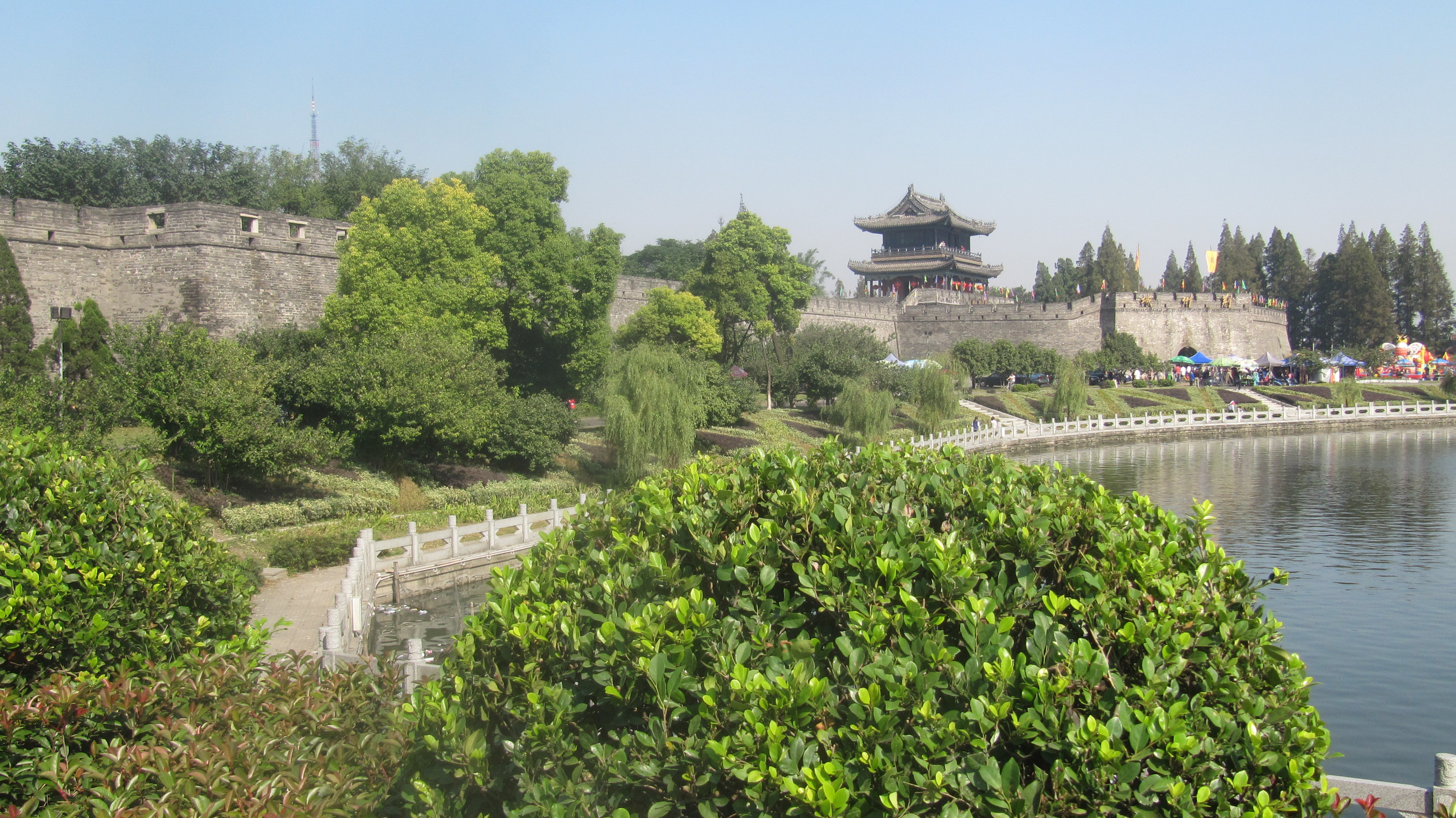
Jingzhou, China
Data updated Sep 3, 2026
📊 Scores
Manufacturing and agriculture anchor Jingzhou's economy, with petrochemicals, textiles, and food processing forming the industrial backbone along the Yangtze River corridor. The ¥251.6 billion GDP (2019) grew at 7.5% annually, but that number masks a city still transitioning — services now account for 45.6% of output, yet the job market for foreigners is extremely thin. English teaching at local schools or Yangtze University is realistically the only reliable income path for most expats. Remote workers will find the infrastructure functional but the environment isolating.
A decent two-bedroom apartment in the urban core runs ¥1,500–2,500/month ($210–350), making housing genuinely cheap. Local food and transit are similarly low-cost — city buses cost ¥1–2 per ride. Healthcare access exists through public hospitals, but English-speaking doctors are rare to nonexistent; serious medical issues mean a two-hour trip to Wuhan. Mandarin is non-negotiable here — English signage is minimal, and daily errands without language skills become a genuine grind. Bureaucracy for residence permits requires patience and often a local employer or fixer.
Summers are punishing — July averages 28°C with high humidity that makes it feel significantly hotter. Winters are damp and grey around 4°C, which feels colder than it reads. The upside is the food: Hubei cuisine is underrated, and local markets overflow with fresh river fish, lotus root, and cheap produce. The expat community is small enough that you likely won't find one — this isn't Chengdu or Shenzhen. Weekends mean exploring the ancient city walls, Jingzhou Museum, or day-tripping along the Yangtze. This city suits a specific type: someone teaching English, deeply committed to learning Mandarin, and genuinely curious about an unfiltered, non-touristy slice of central China.
🏚️ Cost of Living
💰 Budgets and Costs
Grocery Basket
Eating Out
Utilities & Lifestyle
Housing
A 1BR in the center runs about $250/mo. If your income is in another currency, bank FX fees add up. A multi-currency account can cut that cost.
See low-fee transfersWe may earn a commission at no cost to you.
💰 Real Spend Reports
🛡️ Safety & Crime
(Higher is safer)
(Lower is safer)
Jingzhou is a relatively safe mid-sized Chinese city with low violent crime rates typical of inland China. Petty theft and scams targeting foreigners exist but are uncommon. Main concerns include navigating unfamiliar legal systems, limited English support in emergencies, and occasional police scrutiny of foreigners. Traffic safety is a legitimate concern—driving standards are inconsistent. For American expats, the biggest adjustment is China's surveillance state and restricted internet access rather than street crime. Overall a reasonable choice for remote workers seeking affordability and stability, though you'll need patience with bureaucracy and language barriers.
🏥 Healthcare
🌤️ Climate
Best Months
Climate Notes
Jingzhou has a humid subtropical climate with hot, wet summers (June-August) and cold, dry winters (December-February), requiring adaptation to significant seasonal temperature swings and monsoon rainfall.
💻 Digital Nomad
Community Notes
| Name | Price/mo | Notes |
|---|---|---|
| Ucommune (Jingzhou) | $120 | While specific Jingzhou locations are hard to pinpoint online, Ucommune is a major coworking chain in China. Expect modern amenities, a professional atmosphere, and networking opportunities. Check their website for the nearest location in Jingzhou's main business district. |
| Regus (Jingzhou) | $150 | Regus is a reliable international brand. It offers a professional environment, meeting rooms, and various office solutions. Check the Regus website for specific Jingzhou locations and pricing. |
Working remotely from Jingzhou? Nomad health insurance covers you across borders, month to month.
See nomad insuranceWe may earn a commission at no cost to you.
🧳 Expat Life
Expat Life Notes
Jingzhou is a historic city on the Yangtze. While famous for its ancient walls, the modern city is a standard Chinese prefecture with very few long-term expats.
Pros
- ✓ Rich history and culture
- ✓ Inexpensive living
- ✓ Authentic Hubei cuisine
Cons
- ✗ Very little English
- ✗ Limited western amenities
- ✗ Humid climate
🛂 Visa Options for China
Many long-stay visas require proof of health insurance. Compare international health plans before you apply.
Compare health insuranceWe may earn a commission at no cost to you.
Not sure which China visa you qualify for?
Answer 10 questions and get a personalized match in under 2 minutes.
Could living/working in Jingzhou cut years off your work life?
With a 1-bedroom in the center at $250/mo, your FIRE number here might be much lower than you think.
Moving to Jingzhou? Estimate what an international move would cost and compare mover quotes.
Estimate my move costShare This Guide
Jingzhou won't stay this cheap forever.
Cost-of-living and visa updates for Jingzhou and the rest of China. Free with RA Postcards.
By submitting your email address, you will receive a free subscription to RA Postcards and special offers from Rewire Abroad and our affiliates. You can unsubscribe at any time, and we encourage you to read more about our Privacy Policy.