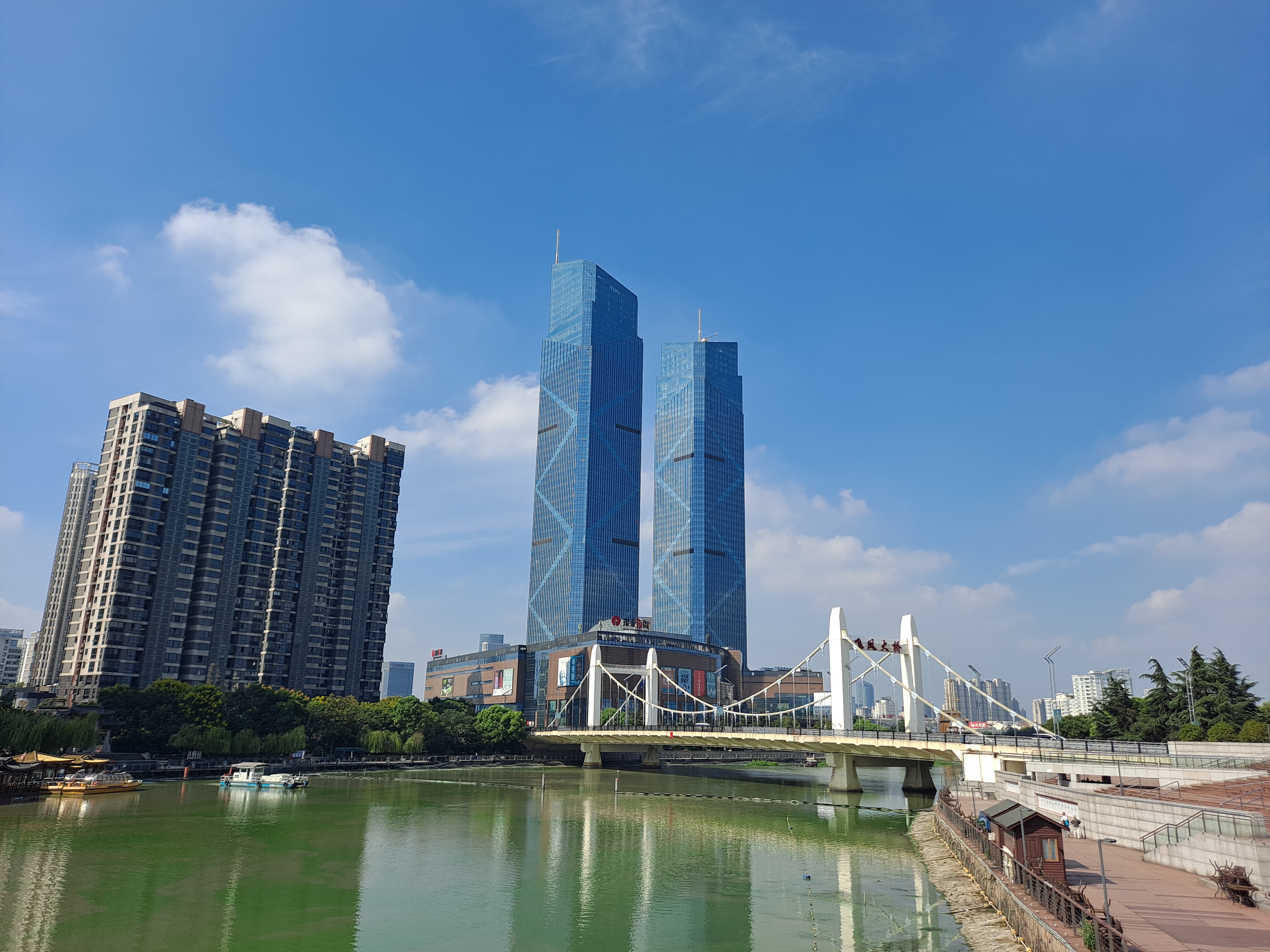
Huzhou sits in the subtropical heart of the Yangtze River Delta, about 43 kilometers from its nearest airport, DEQ, and roughly an hour from the regional hubs that connect it to the rest of Asia. The city's elevation is just 11 meters above sea level, which means mild, humid winters and hot, rainy summers typical of the region. For expats, the practical choice is to settle in the Wuxing or Nanhu neighborhoods, both of which offer the most accessible daily life, with local shops, markets, and transit within easy reach. The expat community here is small, so newcomers will find a quieter, more integrated experience rather than an enclave of foreign faces.
Living costs in Huzhou are strikingly low, especially when compared to local wages. A one-bedroom apartment in the city center rents for $298 per month, while the same unit outside the center drops to $224. For families or those wanting more space, a three-bedroom in the center runs $746, but outside the center it is just $410. A single adult can live on a budget tier total of $338 per month including rent, while a mid-range tier comes to $476, and a comfortable tier is $617. Utilities add only $58 monthly, internet is $11, and a mobile plan is $8, so the fixed costs are minimal. The average monthly net salary locally is $1,163, which means even a modest earner can save a meaningful portion of income, a fact that explains the city's strong appeal for those focused on financial independence.
Safety in Huzhou is a genuine asset. The crime index sits at 36, which is low, and the safety index is 64, reflecting a city where violent crime is rare and petty theft is uncommon. Healthcare quality is rated as good, and while English proficiency is limited, medical facilities in the region are generally well equipped for routine and emergency care. The air quality index is 68, which is moderate, so sensitive individuals may want to monitor pollution levels during the winter months, but it is not a deterrent for most residents. For a city of 1.2 million people, the sense of security and the availability of decent medical services make it a comfortable place to live, particularly for those who plan to stay long term.
Getting to Huzhou is straightforward via the nearest airport, DEQ, which is 43 kilometers away, though most international travelers will connect through larger gateways in the region. Visa options exist for long-term stays, but the specific programs are not detailed here; the practical path is to consult the local entry requirements before moving. Huzhou suits retirees and early retirees who value low costs and a calm pace, as well as digital nomads who can work remotely with an average internet speed of 120 Mbps. The FIRE score of 91 out of 100 is exceptional, while the overall expat score is 89, and the retiree score is 71. It is not the place for those seeking a large English-speaking community or a fast-paced urban lifestyle, but for anyone who wants a safe, affordable, and quiet base in China, Huzhou delivers.