Hulunbuir, China
Data updated Sep 3, 2026
📊 Scores
Coal extraction and mineral processing now rival the traditional pastoral economy here — Inner Mongolia's resource sector pays reasonably well for engineers and logistics workers, but those jobs go almost exclusively to Chinese nationals. Animal husbandry, dairy farming (Yili and Mengniu both source from this region), and grassland tourism are the other pillars. Summer tourism creates a short but intense hiring spike from June through August. For foreign remote workers, the economy is largely irrelevant — you're here despite it, not because of it.
Hailar District is the livable core. A decent one-bedroom apartment runs roughly ¥1,200–1,800/month ($165–$250), and full monthly expenses for a single person land around ¥4,000–5,500 ($550–$760) including food and transport. Public buses are cheap but limited; most residents use e-bikes or taxis. Healthcare is functional at the city level but serious conditions mean a trip to Hohhot or Harbin. Mandarin is essential — English is nearly nonexistent, and while Mongolian signage exists, it won't help most expats. Visa registration and residence permit bureaucracy follows standard Chinese rules, which means it's tedious but manageable.
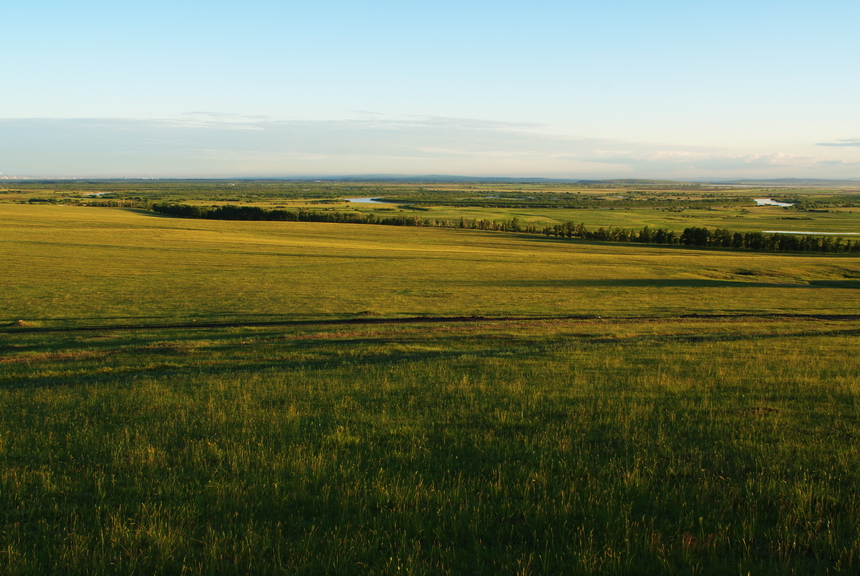
Winters are genuinely brutal — January averages -25°C, and that's the average, not the extreme. You need to want that, or at least accept it. Summers are legitimately beautiful: the grasslands turn green, the sky is enormous, and weekend trips to Hulun Lake or the Erguna wetlands are genuinely rewarding. The food scene leans heavily on lamb, dairy, and hearty northern Chinese staples. The expat community is tiny — expect to be one of very few foreigners in any room. This city suits adventurous remote workers or researchers drawn to Inner Asian landscapes who don't need an expat social infrastructure to feel grounded.
🏚️ Cost of Living
💰 Budgets and Costs
Grocery Basket
Eating Out
Utilities & Lifestyle
Housing
A 1BR in the center runs about $350/mo. If your income is in another currency, bank FX fees add up. A multi-currency account can cut that cost.
See low-fee transfersWe may earn a commission at no cost to you.
💰 Real Spend Reports
🛡️ Safety & Crime
(Higher is safer)
(Lower is safer)
Hulunbuir is a relatively safe city for expats, with low violent crime rates typical of smaller Chinese cities. Petty theft and scams targeting foreigners exist but are uncommon. Main concerns include traffic safety (aggressive driving, poor road conditions in winter), air quality during heating season, and limited English support in emergencies. Avoid displaying wealth openly and stay aware in crowded markets. The city's remote location means fewer expat communities and services, which can complicate medical or legal issues. Overall, it's a secure choice for those comfortable with limited Western amenities and willing to navigate bureaucratic challenges.
Hulunbuir has a safety index of 60/100. Petty theft and lost belongings are the most common problems for newcomers. Compare travel insurance before you go.
Compare travel insuranceWe may earn a commission at no cost to you.
🏥 Healthcare
🌤️ Climate
Best Months
Climate Notes
Hulunbuir has an extreme continental climate with very cold, long winters (November–March) dropping below -20°C and brief, mild summers (June–August) around 19°C, making it suitable for those seeking dramatic seasonal contrasts.
💻 Digital Nomad
Community Notes
| Name | Price/mo | Notes |
|---|---|---|
| Regus Hulunbuir | $150 | Regus offers a reliable, professional environment in Hulunbuir. While specific location details within the city are limited online, Regus generally provides standard amenities like meeting rooms and administrative support, making it suitable for expats needing a familiar workspace. |
Working remotely from Hulunbuir? Nomad health insurance covers you across borders, month to month.
See nomad insuranceWe may earn a commission at no cost to you.
🧳 Expat Life
Expat Life Notes
Hulunbuir is a vast city-prefecture in Inner Mongolia famous for its grasslands. It has a small, niche expat community and many seasonal tourists.
Pros
- ✓ Stunning grasslands
- ✓ Cool summers
- ✓ Unique Mongol-Russian influence
Cons
- ✗ Extremely cold winters (-30C)
- ✗ Very remote
- ✗ Limited professional jobs
🛂 Visa Options for China
Many long-stay visas require proof of health insurance. Compare international health plans before you apply.
Compare health insuranceWe may earn a commission at no cost to you.
Not sure which China visa you qualify for?
Answer 10 questions and get a personalized match in under 2 minutes.
Could living/working in Hulunbuir cut years off your work life?
With a 1-bedroom in the center at $350/mo, your FIRE number here might be much lower than you think.
Moving to Hulunbuir? Estimate what an international move would cost and compare mover quotes.
Estimate my move costShare This Guide
Hulunbuir won't stay this cheap forever.
Cost-of-living and visa updates for Hulunbuir and the rest of China. Free with RA Postcards.
By submitting your email address, you will receive a free subscription to RA Postcards and special offers from Rewire Abroad and our affiliates. You can unsubscribe at any time, and we encourage you to read more about our Privacy Policy.