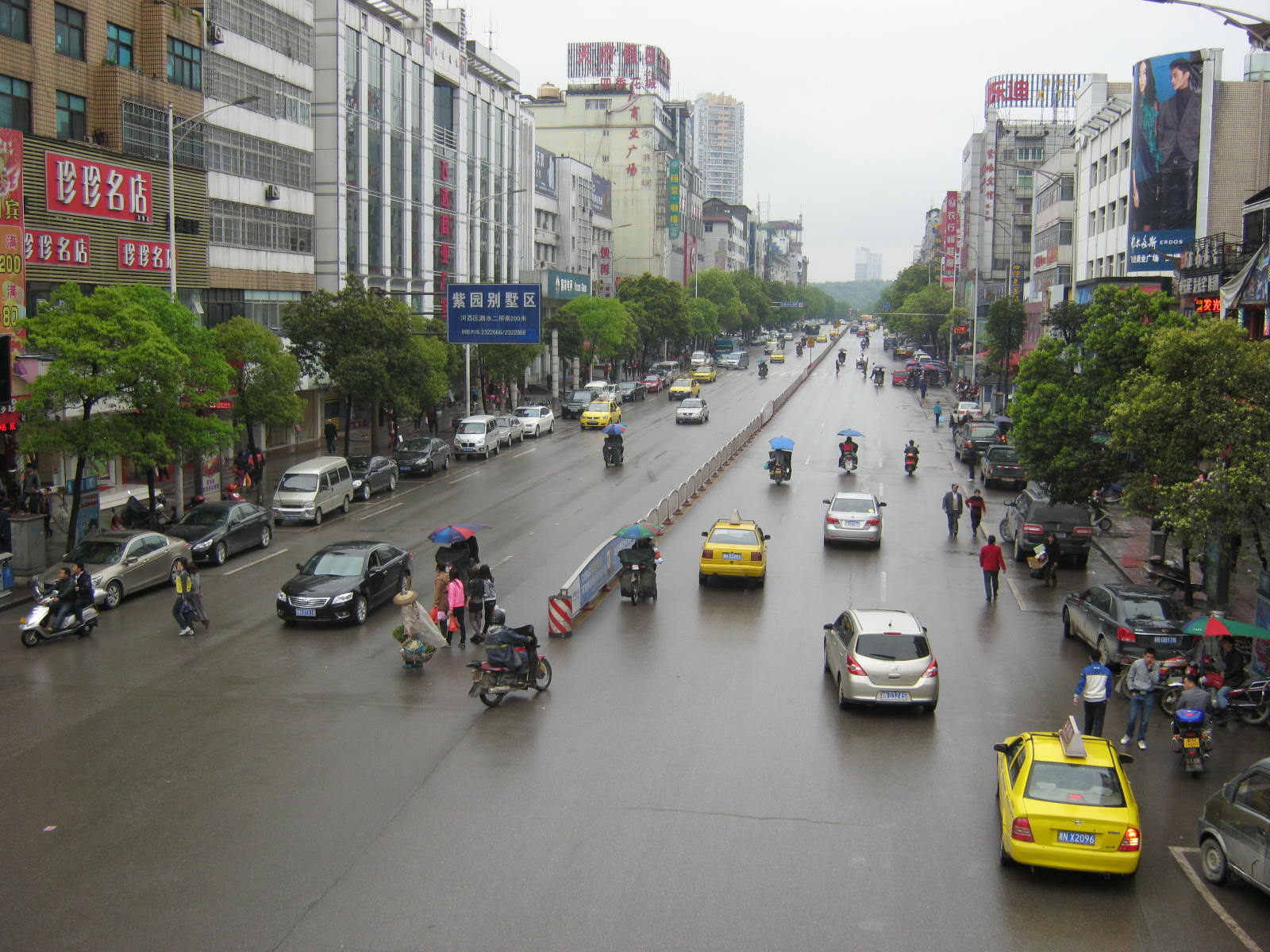
Huaihua, China
Data updated Sep 3, 2026
📊 Scores
Five major rail lines converging in one mid-sized city is the economic story here — Huaihua exists primarily as a logistics and transit hub connecting central China to the southwest. Freight, warehousing, and rail-related services employ a significant chunk of the workforce. Beyond logistics, the economy leans on forestry, agriculture, and some light manufacturing. With 70.8% forest coverage and proximity to Zhangjiajie, tourism infrastructure is growing but remains modest. Foreign professionals have almost no job market to speak of; this is not a city where expats find English-language employment.
Rent is genuinely cheap — expect to pay 1,500–2,500 RMB ($210–$350/month) for a decent two-bedroom apartment. Local food costs are low, with filling meals under 20 RMB ($3). The language barrier is severe and unforgiving: Mandarin is essential, and locals often speak Hunanese dialects that even fluent Mandarin speakers struggle with. Healthcare exists but is basic at the city level; anything complex means traveling to Changsha or Chengdu. Bureaucracy for foreign residents follows standard Chinese visa and registration procedures, which are manageable but require patience and Mandarin literacy.
Summers are warm but not brutal, winters are damp and cold without central heating in most buildings — that 4.4°C January average feels worse indoors than it sounds. The surrounding mountains and minority villages (Dong, Miao, Tujia) make weekends genuinely interesting for hikers and cultural explorers; Zhangjiajie is under two hours by high-speed rail. Local food is aggressively spicy Hunanese cuisine, which is excellent if you can handle it. The expat community is effectively nonexistent — count on single digits. This city suits Mandarin-fluent adventurers who want deep immersion in rural Chinese culture at minimal cost, with zero Western comfort infrastructure.
🏚️ Cost of Living
💰 Budgets and Costs
Grocery Basket
Eating Out
Utilities & Lifestyle
Housing
A 1BR in the center runs about $250/mo. If your income is in another currency, bank FX fees add up. A multi-currency account can cut that cost.
See low-fee transfersWe may earn a commission at no cost to you.
💰 Real Spend Reports
🛡️ Safety & Crime
(Higher is safer)
(Lower is safer)
Huaihua is a relatively safe mid-sized city in Hunan Province with low violent crime rates typical of inland China. Petty theft and scams targeting foreigners exist but are uncommon; remain cautious with valuables in crowded markets and bus stations. The main risks are traffic safety (chaotic driving patterns), air quality concerns, and navigating bureaucratic processes as a foreigner. Political sensitivity around foreign residents requires discretion; avoid discussing sensitive topics. For American expats, this is a manageable choice if you're comfortable with limited English infrastructure and smaller-city life—safety itself is not a primary concern.
🏥 Healthcare
🌤️ Climate
Best Months
Climate Notes
Huaihua has a humid subtropical climate with hot, wet summers (May-September) and mild, dry winters, typical of central China's Yangtze River region.
💻 Digital Nomad
Community Notes
| Name | Price/mo | Notes |
|---|---|---|
| Regus Huaihua Wanda Center | $150 | Located in the Wanda Center, a central business district, Regus offers reliable infrastructure and professional services. It's a good option for those seeking a familiar, corporate environment. |
| Ucommune (Likely in a nearby major city) | $120 | While a direct location in Huaihua is unconfirmed, Ucommune is a major player in China and may have a presence in a nearby major city easily accessible from Huaihua. Check their website for the closest location and consider it for a modern, tech-focused coworking experience. |
Working remotely from Huaihua? Nomad health insurance covers you across borders, month to month.
See nomad insuranceWe may earn a commission at no cost to you.
🧳 Expat Life
Expat Life Notes
Huaihua is a major railway hub in Hunan. While a transit center, its permanent expat population is very small.
Pros
- ✓ Excellent rail connectivity
- ✓ Close to scenic western Hunan
- ✓ Low cost
Cons
- ✗ Industrial atmosphere
- ✗ Very little English
- ✗ Limited entertainment
🛂 Visa Options for China
Many long-stay visas require proof of health insurance. Compare international health plans before you apply.
Compare health insuranceWe may earn a commission at no cost to you.
Not sure which China visa you qualify for?
Answer 10 questions and get a personalized match in under 2 minutes.
Could living/working in Huaihua cut years off your work life?
With a 1-bedroom in the center at $250/mo, your FIRE number here might be much lower than you think.
Moving to Huaihua? Estimate what an international move would cost and compare mover quotes.
Estimate my move costShare This Guide
Huaihua won't stay this cheap forever.
Cost-of-living and visa updates for Huaihua and the rest of China. Free with RA Postcards.
By submitting your email address, you will receive a free subscription to RA Postcards and special offers from Rewire Abroad and our affiliates. You can unsubscribe at any time, and we encourage you to read more about our Privacy Policy.