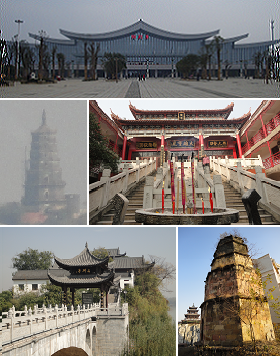
Hengyang, China
Data updated Sep 3, 2026
📊 Scores
Manufacturing is the backbone here — chemicals, machinery, nonferrous metals, and building materials dominate the industrial base, with state-owned enterprises and large factories accounting for most formal employment. The three provincial universities (University of South China, Hengyang Normal University, Hunan Institute of Technology) create a modest education sector, and English teaching is realistically the only reliable entry point for foreign workers. Remote workers can operate here, but don't expect a startup ecosystem or multinational presence — this is a working industrial city, not a white-collar hub.
A decent one-bedroom apartment in a modern complex runs roughly ¥1,500–2,500/month ($210–350 USD), and you can eat well at local restaurants for under ¥30 a meal. Public transit exists but is limited compared to Changsha; most residents use e-bikes or ride-hailing apps. Healthcare at public hospitals is cheap but expect Mandarin-only interactions — medical translation is essentially nonexistent. Bureaucracy for residence permits requires patience and a local employer or university sponsor. English proficiency in the general population is low, and that friction is real and daily.
Summers are brutally hot and humid — 35°C+ is routine from June through August — and winters are damp and grey rather than dramatically cold. Hunan cuisine is genuinely excellent and aggressively spicy; the local food scene is a legitimate draw. The expat community is tiny, likely numbering in the dozens, mostly foreign teachers. Weekends mean the Xiang River waterfront, local parks, and day trips to Nanyue Hengshan mountain, which is legitimately worth visiting. This city suits budget-conscious remote workers or English teachers who want an authentic, unfiltered Chinese city experience without tourist infrastructure or expat hand-holding.
🏚️ Cost of Living
💰 Budgets and Costs
Grocery Basket
Eating Out
Utilities & Lifestyle
Housing
A 1BR in the center runs about $250/mo. If your income is in another currency, bank FX fees add up. A multi-currency account can cut that cost.
See low-fee transfersWe may earn a commission at no cost to you.
💰 Real Spend Reports
🛡️ Safety & Crime
(Higher is safer)
(Lower is safer)
Hengyang is a relatively safe mid-sized Chinese city with low violent crime rates typical of inland China. Petty theft and scams targeting foreigners occur but are uncommon; remain cautious with valuables in crowded areas and be skeptical of unsolicited business proposals. The main risks are bureaucratic friction (visa issues, residency complications) and limited English support in emergencies rather than street crime. Expats generally report feeling secure, though the authoritarian political environment and internet restrictions warrant consideration. For a 30-65 American, this is a reasonable choice if you accept China's governance model and can navigate language barriers.
🏥 Healthcare
🌤️ Climate
Best Months
Climate Notes
Hengyang has a humid subtropical climate with hot, wet summers (May-September) and mild, dry winters, making it moderately comfortable year-round but requiring adaptation to high humidity and occasional air quality concerns.
💻 Digital Nomad
Community Notes
| Name | Price/mo | Notes |
|---|---|---|
| Regus Hengyang | $150 | Regus offers a reliable, professional environment in Hengyang. It's a good option for those who prefer a globally recognized brand and standardized amenities, often located in central business districts. |
| Hengyang Coworking Space (衡阳联合办公) | $100 | This is a local coworking space that provides a more community-focused atmosphere. It's ideal for those looking to connect with local entrepreneurs and businesses, and it's likely more affordable than international chains. |
Working remotely from Hengyang? Nomad health insurance covers you across borders, month to month.
See nomad insuranceWe may earn a commission at no cost to you.
🧳 Expat Life
Expat Life Notes
Hengyang is an industrial and transportation hub in Hunan. It is rarely chosen by expats except for short-term project work.
Pros
- ✓ Strong rail connections
- ✓ Low living costs
Cons
- ✗ Industrial pollution
- ✗ Lack of expat community
- ✗ Minimal English proficiency
🛂 Visa Options for China
Many long-stay visas require proof of health insurance. Compare international health plans before you apply.
Compare health insuranceWe may earn a commission at no cost to you.
Not sure which China visa you qualify for?
Answer 10 questions and get a personalized match in under 2 minutes.
Could living/working in Hengyang cut years off your work life?
With a 1-bedroom in the center at $250/mo, your FIRE number here might be much lower than you think.
Moving to Hengyang? Estimate what an international move would cost and compare mover quotes.
Estimate my move costShare This Guide
Hengyang won't stay this cheap forever.
Cost-of-living and visa updates for Hengyang and the rest of China. Free with RA Postcards.
By submitting your email address, you will receive a free subscription to RA Postcards and special offers from Rewire Abroad and our affiliates. You can unsubscribe at any time, and we encourage you to read more about our Privacy Policy.