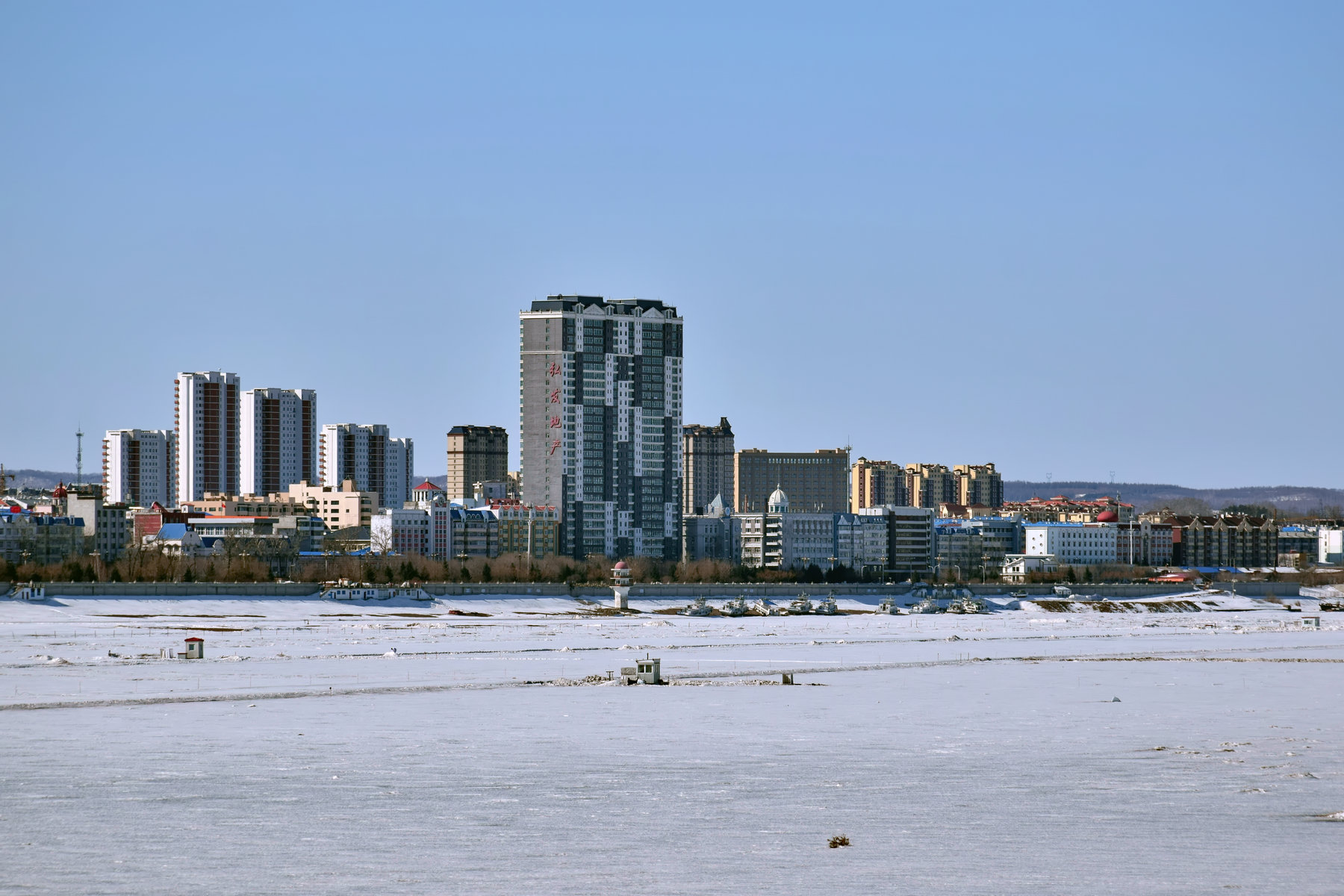
Heihe, China
Data updated Sep 29, 2026
📊 Scores
Best fit: FIRE / Geoarbitrage (score: 78)
Border trade with Russia is the engine here — Heihe exists economically because it sits directly across the Amur River from Blagoveshchensk, and that proximity drives everything. Timber processing, coal, and agriculture form the industrial base, but the real action is cross-border commerce: goods moving both directions, Russian tourists shopping for Chinese electronics and clothing, Chinese businesses exporting to the Russian Far East. Job opportunities for foreigners are almost nonexistent unless you speak Russian and can facilitate trade, or you're teaching English at one of the local schools for roughly ¥8,000–12,000/month.
A decent one-bedroom apartment runs ¥1,500–2,500/month ($210–350), making this genuinely cheap by any standard. Local food is inexpensive — budget ¥30–50 per day eating at local restaurants. Healthcare is functional but limited; serious conditions mean traveling to Harbin, four hours south. Mandarin is essential — English is nearly useless here, though Russian gets you surprisingly far in commercial areas. Bureaucracy for foreign residents follows standard Chinese visa and residence permit processes, which are genuinely tedious and require patience with paperwork that rarely comes in English.
Winters are brutal and non-negotiable: -30°C is real, not an outlier, and they last from November through March. Summers are short but legitimately pleasant, with temperatures around 25°C and outdoor markets coming alive. The food scene leans heavily on northeastern Chinese staples — hearty dumplings, braised pork, pickled vegetables — plus Russian-influenced bakeries near the waterfront. The expat community is tiny and mostly Russian traders, not Western nomads. Weekends mean river views, border markets, and not much else. This city suits someone specifically involved in Sino-Russian trade who wants low costs and doesn't mind genuine isolation.
🏚️ Cost of Living
💰 Budgets and Costs
Grocery Basket
Eating Out
Utilities & Lifestyle
Housing
A 1BR in the center runs about $250/mo. If your income is in another currency, bank FX fees add up. A multi-currency account can cut that cost.
See low-fee transfersWe may earn a commission at no cost to you.
💰 Real Spend Reports
🛡️ Safety & Crime
(Higher is safer)
(Lower is safer)
Heihe is a relatively safe city for expats, with low violent crime rates typical of smaller Chinese cities. Petty theft and pickpocketing occur occasionally in crowded markets and public transport, but are not widespread concerns. The main risks involve navigating bureaucratic processes, potential language barriers in emergencies, and limited expat community support. As a border city near Russia, geopolitical tensions are minimal for daily life but worth monitoring. Overall, Heihe presents a secure environment for remote workers and retirees willing to adapt to a quieter, less cosmopolitan setting than major Chinese hubs.
🏥 Healthcare
🌤️ Climate
Best Months
Climate Notes
Heihe has an extreme continental climate with brutally cold, long winters (November–March) dropping to -20°C and brief, mild summers (June–August) around 20°C, making it suitable only for those prepared for harsh seasonal extremes.
💻 Digital Nomad
Community Notes
| Name | Price/mo | Notes |
|---|---|---|
| Regus Heihe Development Zone | $150 | Located in the Heihe Development Zone, this Regus offers a professional environment with private offices and coworking spaces. It's a reliable option for those seeking a standard business setup with good transport links. |
| Heihe Zhongchuan International Innovation Center | $100 | This innovation center provides coworking spaces and resources for startups and entrepreneurs. It's a good option for those looking to connect with the local business community and offers a more affordable price point. |
Working remotely from Heihe? Nomad health insurance covers you across borders, month to month.
See nomad insuranceWe may earn a commission at no cost to you.
🧳 Expat Life
Expat Life Notes
Heihe is a border city directly across from Blagoveshchensk, Russia. It has a high Russian presence but a small traditional western expat community.
Pros
- ✓ Fascinating cross-border culture
- ✓ Russian influence
- ✓ Unique atmosphere
Cons
- ✗ Extreme cold (-35C)
- ✗ Limited English (more Russian spoken)
- ✗ Geopolitically remote
🛂 Visa Options for China
Many long-stay visas require proof of health insurance. Compare international health plans before you apply.
Compare health insuranceWe may earn a commission at no cost to you.
Not sure which China visa you qualify for?
Answer 10 questions and get a personalized match in under 2 minutes.
Could living/working in Heihe cut years off your work life?
With a 1-bedroom in the center at $250/mo, your FIRE number here might be much lower than you think.
Estimate the cost of moving to Heihe, China
Get a free moving cost estimate for moving to Heihe, China. Takes 10 seconds.
How much are you shipping?
When are you moving?
Powered by Sirelo. Free quotes from verified international movers.
Share This Guide
Heihe won't stay this cheap forever.
Cost-of-living and visa updates for Heihe and the rest of China. Free with RA Postcards.
By submitting your email address, you will receive a free subscription to RA Postcards and special offers from Rewire Abroad and our affiliates. You can unsubscribe at any time, and we encourage you to read more about our Privacy Policy.