Hechi, China
Data updated Sep 3, 2026
📊 Scores
Best fit: FIRE / Geoarbitrage (score: 76)
Mining and hydropower run this economy — Hechi sits on massive deposits of tin, antimony, zinc, indium, and gold, making it a genuine global player in nonferrous metals. State-owned mining enterprises and hydropower operations are the dominant employers, alongside agricultural processing tied to sugarcane, tobacco, and citrus. For foreigners, the job market is essentially nonexistent outside of English teaching at local schools or the occasional university post. Remote workers can technically live here, but there's no infrastructure built around them and no professional expat economy to speak of.
Rent is genuinely cheap — a decent one-bedroom apartment runs roughly ¥800–1,200/month ($110–165 USD), and local food costs almost nothing if you eat where locals eat. Public transport within the city is functional but limited; the mountainous terrain makes intercity travel slow and sometimes arduous. Healthcare exists at the prefecture level but is basic by international standards — anything serious means traveling to Nanning or Guilin. Mandarin gets you by, but Zhuang and local dialects dominate daily life, and English is nearly useless here. Bureaucracy for foreign residents follows standard Chinese visa and registration procedures, which are manageable but require patience and a local contact.
Summers are hot and relentlessly wet — over 65% of the annual 1,533mm of rain falls between May and August, so expect months of humidity and flooding risk. Winters are mild but grey. The food scene is Guangxi-style: rice noodles, river fish, and minority cuisine from Zhuang and Yao traditions, which is genuinely good and costs almost nothing. There is no meaningful expat community here — you will likely be one of very few foreigners in the city. Weekends mean hiking karst mountains, exploring rural minority villages, or taking the train to Guilin. This city suits a specific type: a Mandarin-speaking adventurer on a tight budget who genuinely wants to disappear into rural Chinese life.
🏚️ Cost of Living
💰 Budgets and Costs
Grocery Basket
Eating Out
Utilities & Lifestyle
Housing
A 1BR in the center runs about $250/mo. If your income is in another currency, bank FX fees add up. A multi-currency account can cut that cost.
See low-fee transfersWe may earn a commission at no cost to you.
💰 Real Spend Reports
🛡️ Safety & Crime
(Higher is safer)
(Lower is safer)
Hechi is a relatively safe mid-sized city in Guangxi with low violent crime rates typical of inland China. Petty theft and scams targeting foreigners exist but are uncommon. Main concerns include navigating language barriers in emergencies, limited expat infrastructure, and occasional police scrutiny of foreigners. Air quality and healthcare access are more pressing practical issues than crime. For Americans accustomed to major cities, Hechi feels secure, though it's remote and less cosmopolitan than tier-1 Chinese cities—suitable if you prioritize safety and affordability over convenience.
Hechi has a safety index of 55/100. Petty theft and lost belongings are the most common problems for newcomers. Compare travel insurance before you go.
Compare travel insuranceWe may earn a commission at no cost to you.
🏥 Healthcare
🌤️ Climate
Best Months
Climate Notes
Hechi has a subtropical humid climate with hot, wet summers (May-September) and mild, dry winters, requiring adaptation to high humidity and seasonal rainfall patterns.
💻 Digital Nomad
Community Notes
| Name | Price/mo | Notes |
|---|---|---|
| Regus Hechi Wanda Plaza | $150 | Located in the central Wanda Plaza, this Regus offers a reliable and professional environment. It's a good option for those seeking a familiar, international-standard workspace with easy access to shopping and dining. |
| Ucommune (Likely in Nanning - Regional Hub) | $120 | While Ucommune may not have a direct location *in* Hechi, it's a major player in nearby Nanning, which serves as a regional hub. Remote workers might consider a day trip or occasional workspace in Nanning for access to Ucommune's larger network and amenities. |
Working remotely from Hechi? Nomad health insurance covers you across borders, month to month.
See nomad insuranceWe may earn a commission at no cost to you.
🧳 Expat Life
Expat Life Notes
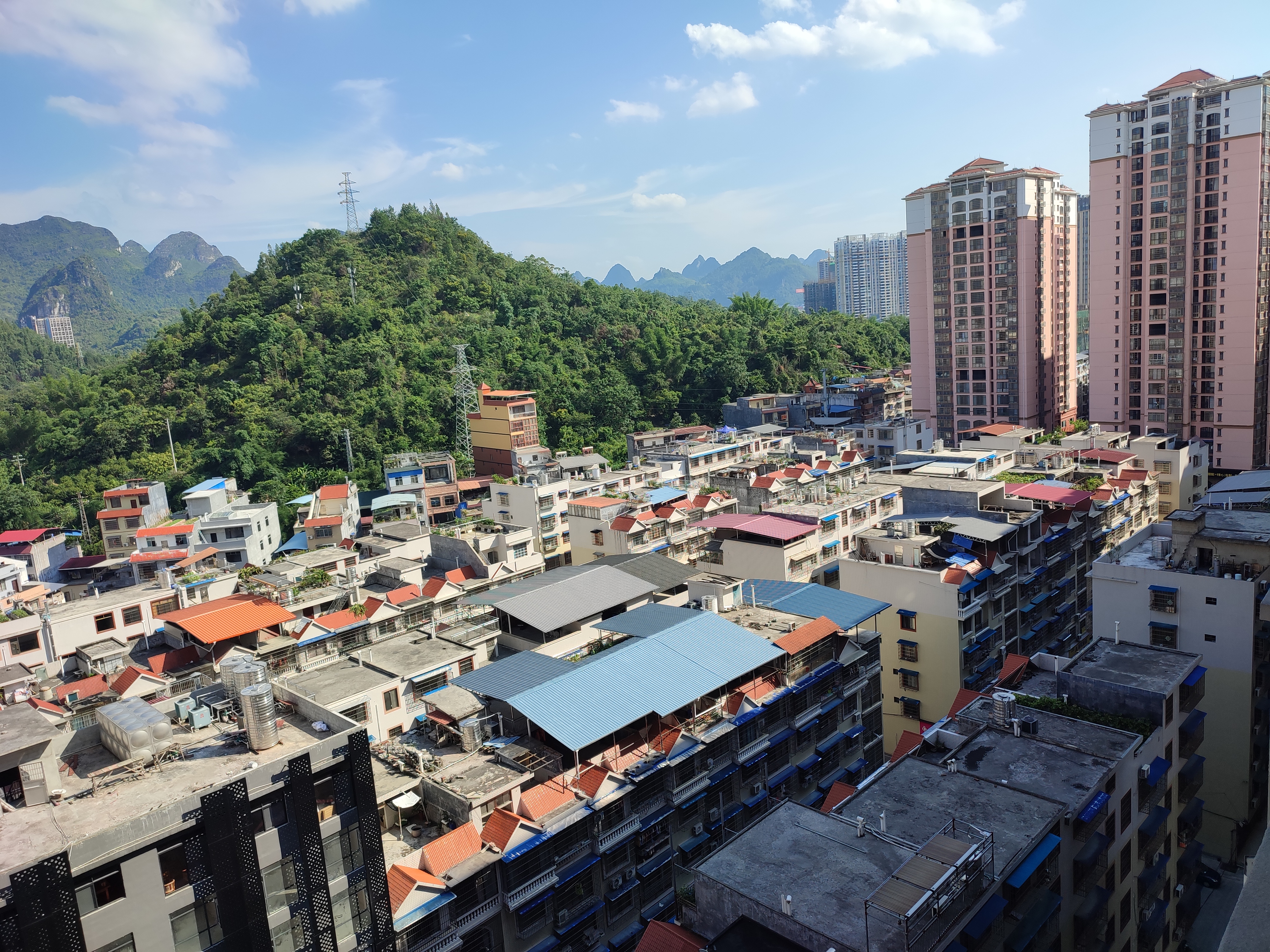
Hechi is a mountainous city in Guangxi. It is developing but remains isolated with very few international residents.
Pros
- ✓ Clean air and mountains
- ✓ Cheap rent
- ✓ Authentic local vibe
Cons
- ✗ Remote
- ✗ No English spoken
- ✗ Limited nightlife
🛂 Visa Options for China
Many long-stay visas require proof of health insurance. Compare international health plans before you apply.
Compare health insuranceWe may earn a commission at no cost to you.
Not sure which China visa you qualify for?
Answer 10 questions and get a personalized match in under 2 minutes.
Could living/working in Hechi cut years off your work life?
With a 1-bedroom in the center at $250/mo, your FIRE number here might be much lower than you think.
Moving to Hechi? Estimate what an international move would cost and compare mover quotes.
Estimate my move costShare This Guide
Hechi won't stay this cheap forever.
Cost-of-living and visa updates for Hechi and the rest of China. Free with RA Postcards.
By submitting your email address, you will receive a free subscription to RA Postcards and special offers from Rewire Abroad and our affiliates. You can unsubscribe at any time, and we encourage you to read more about our Privacy Policy.