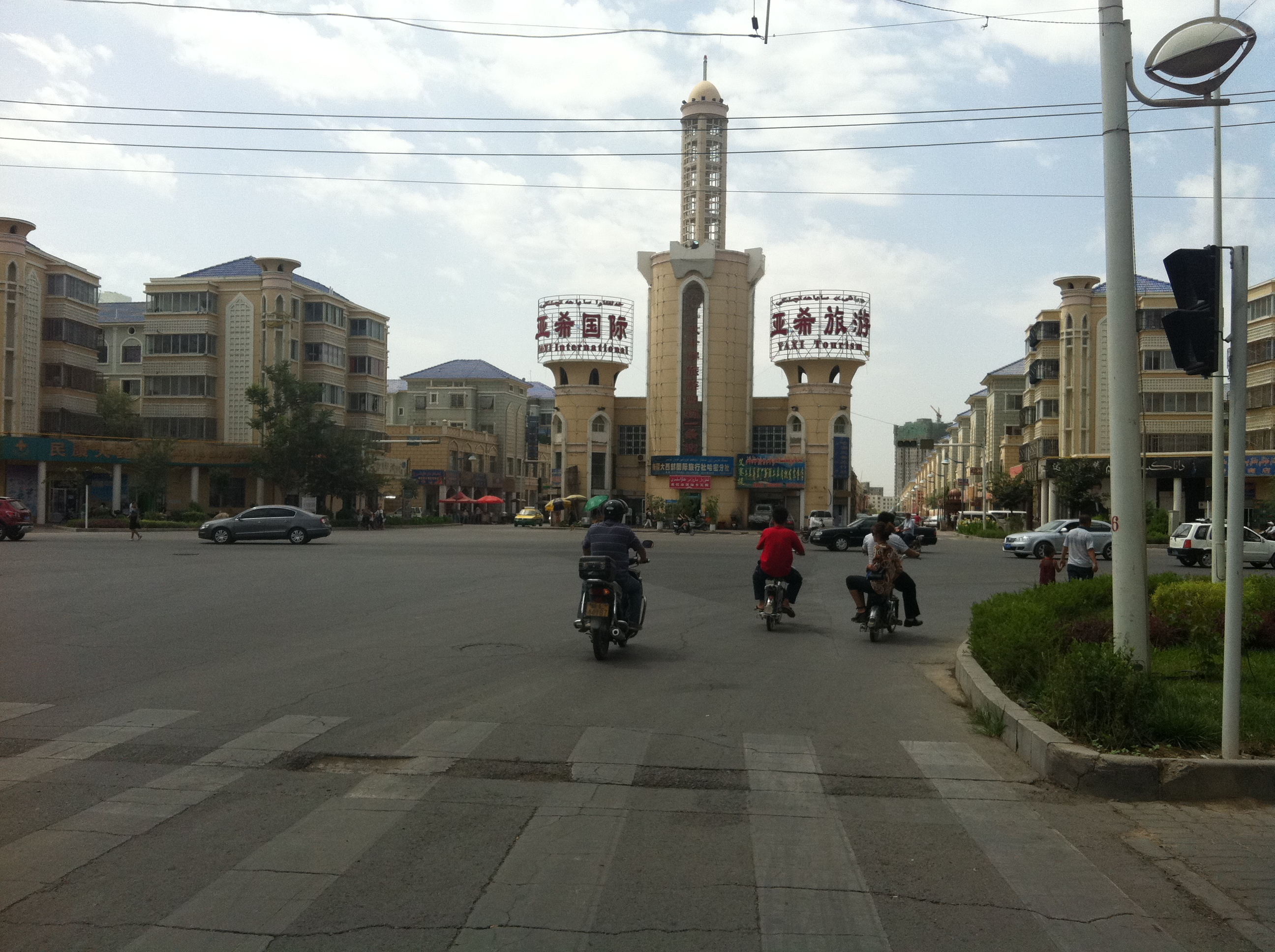
Hami sits at an elevation of 759 m above sea level in the arid belt of China's northwest. The climate is dry and continental, with hot summers and cold winters. Most expats choose to live in the Yizhou District center, where the expat community is medium-sized and English proficiency is limited. The nearest airport, HMI, is 13 km from the city.
Living costs are remarkably low. A single adult's monthly expenses excluding rent average $450/mo. Rents are equally affordable: a one-bedroom in the city center runs $250/mo, while outside the center it drops to $180/mo. For a three-bedroom, expect $500/mo in the center or $350/mo outside. Budget-minded singles can get by on $700/mo total (rent included), mid-range on $1,200/mo, and comfortable living on $1,800/mo.
Safety is moderate, with a crime index of 32/100 (lower is safer) and a safety index of 68/100. Healthcare quality is fair. The air quality index is 120, which is moderate but worth considering for those with respiratory sensitivities.
Visas require standard procedures for foreign residents. Getting there is straightforward via HMI airport, 13 km from the city. Hami suits digital nomads (score 65/100) and especially those pursuing FIRE (score 85/100), thanks to its low cost of living. Retirees may find it less ideal (score 56/100), but the overall expat score of 83/100 reflects a solid destination for long-term stays.
Estimate the cost of moving to Hami, China
Get a free moving cost estimate for moving to Hami, China. Takes 10 seconds.
How much are you shipping?
When are you moving?
Powered by Sirelo. Free quotes from international movers.
🏚️ Cost of Living
💰 Budgets and Costs
A category breakdown is not available for Hami yet. We publish a breakdown only when every category can be priced from local data, rather than showing figures we cannot stand behind.
Rent, 1 bedroom in the centre
$250/mo
Living costs, excluding rent
$450/mo
Still needed for a full breakdown: grocery prices, restaurant prices and utility bills.
Hami is a relatively safe city for expats, with low violent crime and a strong police presence typical of Chinese cities. Petty theft and pickpocketing occur occasionally in crowded markets and transportation hubs, but are not widespread concerns. The main risks involve navigating language barriers in emergencies, unfamiliar traffic patterns, and occasional scams targeting foreigners in tourist areas. As a remote inland city, Hami lacks the cosmopolitan infrastructure of major Chinese metros, which can complicate expat life but also means fewer organized crime issues. Overall, it's a reasonable choice for those comfortable with China's regulatory environment and willing to adapt to local systems.
Hami has an extreme continental climate with scorching summers (44°C) and brutally cold winters (-20°C), low humidity year-round, and sparse precipitation—expect dust storms in spring and autumn.
💻 Digital Nomad
Avg Internet Speed
38 Mbps
Coworking Availability
Limited
Coworking Spaces Nearby
0
Digital Nomad Score
63/100
Community Notes
A pivotal spot along the Silk Road with historical charm.
Regus offers a reliable and professional coworking environment in Hami. It provides standard amenities like high-speed internet, meeting rooms, and administrative support, making it suitable for expats seeking a familiar and structured workspace.
Located within the Hami Innovation Center, this space caters to startups and entrepreneurs. It offers a collaborative atmosphere, access to resources, and networking opportunities, ideal for digital nomads interested in connecting with the local business community.
See how Hami's digital nomad life compares with Dianbu
🧳 Expat Life
English Proficiency
Limited
Expat Community
Medium
Top Neighborhoods
Yizhou District center
Banks Nearby
1
ATMs Nearby
1
Expat Life Notes
Hami is a key Silk Road stop in eastern Xinjiang known for its melons. It is a major energy hub with an international presence in the mining and energy sectors.
Pros
✓ Unique Silk Road culture
✓ Abundant sunshine and fruit
✓ Dry healthy climate
Cons
✗ Extremely remote
✗ Strict security oversight
✗ Language barrier
🏘️ Neighborhoods in Hami
Areas of Hami that expats often consider.
Conditions can change from one block to the next, and these descriptions are general guides, not safety assessments. Before choosing where to stay or live, check current travel advisories, talk to people who live there, and visit in person if you can.
Yizhou District (伊州区)
Bustling urban city center
The main urban area of Hami, Yizhou District offers a mix of residential and commercial spaces. While not specifically geared towards expats, it provides access to most amenities and services. Public transportation is readily available, but English is not widely spoken.
Huancheng Road Area (环城路)
Residential, local, affordable living
Located around the ring road, this area is primarily residential and offers more affordable housing options. It's a good choice for those seeking a more authentic local experience. Expect limited English and reliance on Mandarin for daily life.
New City Area (新市区)
Modern, developing, spacious
The New City Area features newer apartment complexes and wider streets. While still developing, it offers a more modern living environment. It's less crowded than the older parts of the city, but also less walkable in some areas.
Wubao Town (五堡镇)
Rural, quiet, grape-growing region
Located outside the main city, Wubao is known for its grape cultivation. It offers a very different, rural lifestyle. It's extremely unlikely to find any English speakers here, and transportation to Hami city would be necessary for many services.
Hami Economic Development Zone (哈密经济开发区)
Industrial, business-focused, limited amenities
This area is primarily focused on industry and business. While there may be some residential options, it's unlikely to be appealing to most expats due to the limited amenities and focus on industrial activity. English is not commonly spoken.
Page 1 of 2
Could living/working in Hami cut years off your work life?
With a 1-bedroom in the center at $250/mo, your FIRE number here might be much lower than you think.
Hami has a population of approximately 673,383 people.
A single person can expect to spend around $625 per month in Hami, including rent. A 1-bedroom apartment in the city center costs approximately $250/month.
The nearest airport to Hami is HMI, approximately 12.7km away.
Hami is considered relatively safe, with a safety index of 68.0. As with any city abroad, expats should research specific neighborhoods before committing to a location.
Hami has an average internet speed of 38 Mbps. It is considered a well-established digital nomad destination.
Hami has a safety index of 68, and street crime is low. However, foreigners in Xinjiang face significant administrative requirements — mandatory police registration, potential document checks, and heightened scrutiny that doesn't apply elsewhere in China. It's not physically dangerous, but the bureaucratic and surveillance environment is genuinely different from other Chinese cities and should be researched thoroughly before committing.
Yes, and fluent Mandarin is the bare minimum. English is virtually nonexistent in daily life, on signage, or in government offices. A significant portion of the local population speaks Uyghur as a first language, so even solid Mandarin won't cover all situations. Anyone without strong Mandarin will struggle with basic tasks like healthcare, housing contracts, and official registration.
Hami is significantly cheaper than tier-1 or tier-2 Chinese cities. A two-bedroom apartment runs roughly ¥1,500–2,500/month ($210–350), local meals cost ¥15–30, and public transport is minimal but cheap. The tradeoff is that imported goods, international food, and quality healthcare are scarce or require a trip to Ürümqi. Budget around $700–1,000/month total for a modest but comfortable lifestyle.
Hami has a continental desert climate with hot summers and very cold winters. Pack for extreme temperature variations – lightweight, breathable clothing for summer and heavy winter gear, including a good coat, hat, and gloves, for the winter months. Expect very dry conditions year-round.
Internet connectivity in Hami is generally reliable, especially in urban areas. You can expect decent speeds for most remote work tasks, but it's always a good idea to have a backup plan, like a local SIM card with a data plan, in case of outages. Coworking spaces are limited, so most digital nomads work from home or cafes.
For budget-conscious expats, consider looking at apartments in the older residential areas closer to the city center, but slightly away from the main commercial streets. These areas offer lower rents and are still within easy access of amenities and transportation. The areas around the Hami Museum are generally considered safe and affordable.
Healthcare in Hami is adequate for routine medical needs, but specialized care may require travel to larger cities like Urumqi. Finding English-speaking doctors can be challenging; it's advisable to have a translation app or a local contact who can assist with communication. International health insurance is highly recommended.
Hami has a decent public transportation system, primarily consisting of buses and taxis. Buses are affordable and cover most of the city, but schedules can be infrequent. Taxis are readily available and relatively inexpensive, but be prepared to communicate your destination in Chinese or have it written down.
Hami is generally considered a safe city, but it's always wise to be aware of your surroundings, especially at night. Petty theft can occur, so keep an eye on your belongings in crowded areas. Due to the political sensitivity of the Xinjiang region, avoid discussing controversial topics in public.
Obtaining a long-term visa for living in Hami as an American can be complex. Options include a work visa (if you have a job offer), a student visa (if you're studying), or a family visa (if you have family in China). Tourist visas are only valid for short stays. Consult the Chinese embassy or consulate for the most up-to-date information and requirements.
Major international banks are not prevalent in Hami. You'll likely need to use a local Chinese bank like the Bank of China. Services like Wise (formerly TransferWise) or Remitly can be used for international money transfers, but be aware of potential fees and exchange rates. ATMs are available, but may have limited English support.
Hami's food scene is heavily influenced by Uyghur cuisine, featuring dishes like lamb skewers, hand-pulled noodles (laghman), and pilaf. Eating out is very affordable; a meal at a local restaurant can cost as little as $3-$5 USD. Western food options are limited.
Hami can be a very attractive option for retirees looking to stretch their income. The low cost of living, particularly for housing and food, means you can live comfortably on a relatively modest budget compared to the US or other major Chinese cities. However, factor in healthcare costs and potential travel expenses for specialized medical care.
As a US citizen, you're still required to file US taxes even when living abroad. The Foreign Earned Income Exclusion (FEIE) can help you exclude a certain amount of your foreign-earned income from US taxes. You may also need to report foreign bank accounts if they exceed a certain threshold (FBAR). Consult a tax professional specializing in expat taxes.
Living in Hami without speaking Chinese presents significant challenges. While some younger people may have basic English skills, you'll need to rely heavily on translation apps and gestures for everyday interactions. Learning basic Mandarin or Uyghur phrases will greatly improve your quality of life and integration into the community.
The expat community in Hami is very small, so don't expect a large support network. Online forums and social media groups for expats in China may offer some connections and advice. Be prepared to be self-reliant and proactive in building relationships with locals.
Retiring early in Hami on $2000 USD per month is potentially viable, but requires careful budgeting. Housing, food, and local transportation are very affordable. However, you'll need to factor in healthcare costs, potential travel for specialized medical care, and the cost of learning some basic Chinese. It's doable, but requires a frugal lifestyle.
Cost-of-living and visa updates for Hami and the rest of China. Free with RA Postcards.
By submitting your email address, you will receive a free subscription to RA Postcards and special offers from Rewire Abroad and our affiliates. You can unsubscribe at any time, and we encourage you to read more about our Privacy Policy.