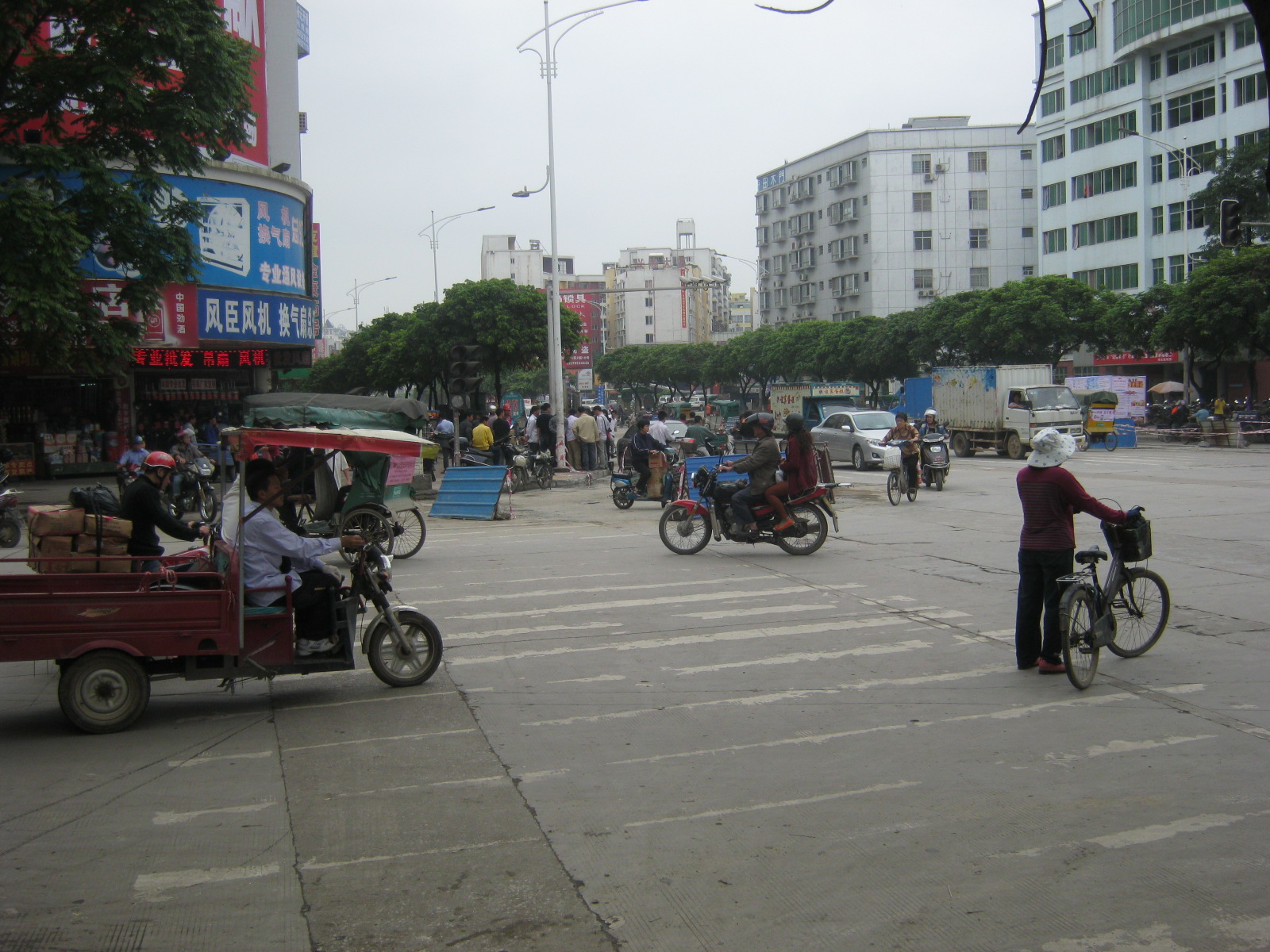
Guigang sits low in the subtropical south of China, just 36 meters above sea level, with a climate that brings warm, humid summers and mild winters. The city is home to about 1.2 million people, and while it is not a major international hub, its pace and scale make it easy to navigate. Expats who settle here tend to cluster in the Gangbei District, the most popular neighborhood for foreigners, where daily life feels more manageable and services are within reach. The city runs on Asia/Shanghai time, and the average internet speed of 48 Mbps is enough for most remote work and streaming needs.
Living costs in Guigang are strikingly low, even by Chinese standards. A single adult can get by on roughly $700 per month including rent, while a mid-range lifestyle runs about $1,200 and a comfortable one about $1,800. Rent outside the center starts at $180 for a one-bedroom and $400 for a three-bedroom, while center-city units go for $250 and $550 respectively. Excluding rent, a single person spends about $450 per month on everything else, which covers food, transport, utilities, and entertainment. These numbers make Guigang an attractive option for those who want to stretch their savings without sacrificing basic comforts.
Safety in Guigang is moderate, with a safety index of 58 out of 100 and a crime index of 42, meaning the city is generally calm but not without occasional petty issues. Healthcare quality is rated as fair, so for serious medical needs, residents often plan trips to larger cities. The air quality index sits at 68, which is acceptable but not pristine, and those with respiratory sensitivities should keep that in mind. The expat community is small, and English proficiency is limited, so learning some Mandarin goes a long way in daily interactions.
Getting to Guigang requires flying into the nearest airport, NNG, which is about 156 kilometers away, and then taking ground transport into the city. Visa options exist for long-term stays, though specific program names are not detailed here; the process typically involves employer sponsorship or other standard routes. This city suits digital nomads and early retirees who prioritize low costs and a slower rhythm over international amenities. With an overall expat score of 84 and a FIRE score of 86, Guigang is a practical choice for those focused on financial independence, while the retiree score of 61 suggests it is less ideal for those seeking extensive medical or social infrastructure.
Estimate the cost of moving to Guigang, China
Get a free moving cost estimate for moving to Guigang, China. Takes 10 seconds.
How much are you shipping?
When are you moving?
Powered by Sirelo. Free quotes from international movers.
🏚️ Cost of Living
💰 Budgets and Costs
A category breakdown is not available for Guigang yet. We publish a breakdown only when every category can be priced from local data, rather than showing figures we cannot stand behind.
Rent, 1 bedroom in the centre
$250/mo
Living costs, excluding rent
$450/mo
Still needed for a full breakdown: grocery prices, restaurant prices and utility bills.
Guigang is a relatively safe mid-sized Chinese city with low violent crime rates typical of inland China. Petty theft and scams targeting foreigners exist but are uncommon. Main concerns include traffic safety (chaotic driving patterns), air quality issues, and limited English support in emergencies. Avoid displaying expensive items and use registered taxis or ride-sharing apps. The city lacks the cosmopolitan infrastructure of tier-1 cities, which can complicate expat life but doesn't significantly impact personal safety. Overall, it's a reasonable choice for risk-averse expats seeking affordability, though you'll need Mandarin proficiency or translation apps for daily navigation.
Guigang has a safety index of 58/100. Petty theft and lost belongings are the most common problems for newcomers. Compare travel insurance before you go.
See how Guigang's healthcare compares with Baiquan
🌤️ Climate
Climate Zones
Subtropical
Summer Temp
29°C
Winter Temp
10°C
Humidity
72%
Air Quality Index
68
Annual Rainfall
2077 mm
Best Months
OctNovAprMay
Climate Notes
Guigang has a humid subtropical climate with hot, wet summers (May-September) and mild, dry winters (November-February), typical of southern China's monsoon region.
💻 Digital Nomad
Avg Internet Speed
48 Mbps
Coworking Availability
Moderate
Coworking Spaces Nearby
0
Digital Nomad Score
65/100
Community Notes
A city in transition with growing digital opportunities.
Regus offers a reliable, professional environment with serviced offices and coworking options. Located in a central business district, it provides standard amenities like high-speed internet and meeting rooms, suitable for expats needing a familiar and functional workspace.
While a direct Guigang location is unconfirmed, Ucommune is a major player in China. The nearest location is likely in Nanning, a larger city within reach for occasional day trips. Ucommune offers a modern, tech-focused environment with a strong community aspect, appealing to digital nomads.
Guigang likely has smaller, independent coworking spaces. Use Baidu (China's main search engine) to search for "Guigang coworking" or "Guigang shared office". These may offer a more local vibe and lower prices, but require more research to verify quality and amenities.
See how Guigang's digital nomad life compares with Baiquan
🧳 Expat Life
English Proficiency
Limited
Expat Community
Small
Top Neighborhoods
Gangbei District
Banks Nearby
1
ATMs Nearby
0
Expat Life Notes
Guigang is a river port city in Guangxi. The expat presence is very minimal, consisting almost entirely of a few international traders and educators.
Pros
✓ Riverside scenery
✓ Low cost of living
✓ Lush green surroundings
Cons
✗ No western social infrastructure
✗ Humid and hot climate
✗ Limited English
🏘️ Neighborhoods in Guigang
Areas of Guigang that expats often consider.
Conditions can change from one block to the next, and these descriptions are general guides, not safety assessments. Before choosing where to stay or live, check current travel advisories, talk to people who live there, and visit in person if you can.
Gangbei District (港北区)
Bustling commercial and residential
Gangbei is the central district, offering a mix of shopping, dining, and residential areas. While not specifically expat-focused, it provides access to most amenities. Public transport is readily available, but English may not be widely spoken.
Gangnan District (港南区)
Industrial and developing residential
Gangnan is further from the city center and has a more industrial feel, with increasing residential development. Rent is more affordable, but it's less convenient for accessing central amenities. Language barriers would be significant for non-Mandarin speakers.
覃塘区 (Qintang District)
Agricultural and suburban tranquility
Qintang is a more rural district, offering a slower pace of life. It's very budget-friendly, but lacks urban conveniences and expat resources. Mandarin proficiency is essential for living here.
仙湖 (Xianhu - Fairy Lake Area)
Scenic lakeside residential area
Xianhu, surrounding Fairy Lake, offers a more scenic and potentially upscale living environment compared to other areas. It's primarily residential, with some restaurants and shops catering to locals. While pleasant, it's not geared towards expats and language could be a challenge.
达开 (Dakai)
Local market and community
Dakai is a local area with a large market and a strong sense of community. It's a good place to experience authentic Guigang life, but it's not particularly expat-friendly. Expect limited English and a very local atmosphere.
Page 1 of 2
Could living/working in Guigang cut years off your work life?
With a 1-bedroom in the center at $250/mo, your FIRE number here might be much lower than you think.
Guigang has a population of approximately 1,223,000 people.
A single person can expect to spend around $625 per month in Guigang, including rent. A 1-bedroom apartment in the city center costs approximately $250/month.
The nearest airport to Guigang is NNG, approximately 156km away.
Guigang is considered moderate in terms of safety, with a safety index of 58.0. As with any city abroad, expats should research specific neighborhoods before committing to a location.
Guigang has an average internet speed of 48 Mbps. It is considered a well-established digital nomad destination.
Yes, but the market is small. Local middle schools, high schools, and Guigang's vocational colleges occasionally hire foreign English teachers. Salaries typically range from 8,000–12,000 RMB/month ($1,100–$1,650), which goes far given local costs. Expect to search through Chinese job platforms like 51job or direct school outreach — international recruitment agencies rarely list positions here.
Genuinely difficult. English is not widely spoken, signage is almost entirely in Chinese, and government offices, hospitals, and landlords will require Mandarin or a local intermediary. Basic survival is possible with translation apps, but anything involving bureaucracy — visa renewals, bank accounts, medical care — will be frustrating without at least conversational Mandarin or a trusted local contact.
Guigang is significantly cheaper than tier-one or tier-two Chinese cities. A two-bedroom apartment runs roughly 1,500–2,500 RMB/month ($210–$350). Street meals cost 15–25 RMB. A comfortable monthly budget including rent, food, transport, and utilities can realistically sit around 4,000–6,000 RMB ($550–$830), making it one of the more affordable urban options in southern China.
Guigang has a humid subtropical climate with hot, humid summers and mild, relatively dry winters. Pack light, breathable clothing for summer and layers for winter, including a light jacket. Expect occasional heavy rainfall, especially during the monsoon season.
Guigang is generally considered a safe city with a low crime rate, especially compared to larger Chinese metropolises. Petty theft can occur, so be mindful of your belongings in crowded areas. There aren't specific 'no-go' zones, but it's always wise to exercise caution at night in less populated areas.
For long-term stays, you'll likely need a Z visa (work visa) if employed, or explore options like a student visa or business visa if applicable. Tourist visas are only valid for short stays. Consult the Chinese embassy or consulate for the most up-to-date requirements and pathways to residency.
Internet speed in Guigang is generally reliable and fast enough for most remote work tasks. You can expect download speeds of 50-100 Mbps, sufficient for video conferencing and streaming. Check with your landlord or internet provider for specific speeds in your area.
Coworking spaces are still developing in Guigang, but you can find some options. Many cafes offer free Wi-Fi, though the speed and reliability can vary. Exploring local coffee shops and testing their internet is recommended to find a suitable workspace.
Healthcare is available in Guigang, but English-speaking doctors are rare. Major hospitals offer decent care, but communication can be a challenge without Chinese language skills. Consider learning basic Mandarin phrases or using a translation app for medical appointments.
Major Chinese banks like Bank of China and ICBC have branches in Guigang. Opening an account requires a passport and visa. For international transfers, services like Wise (formerly TransferWise) or Remitly can be more convenient and cost-effective than traditional bank transfers. ATM fees can vary, so check with your bank.
Guigang offers a diverse range of local Chinese cuisine, with a focus on Guangxi flavors. Eating out is very affordable, with a simple meal costing around $2-5 USD. Explore local street food stalls and restaurants for authentic and budget-friendly options.
Guigang primarily relies on buses, taxis, and ride-sharing services for local transportation. Buses are inexpensive but can be crowded. Taxis are readily available and relatively affordable. Ride-sharing apps like Didi Chuxing are also popular, but require a Chinese phone number.
A single retiree can live comfortably in Guigang on a budget of $800-$1200 USD per month, covering rent, food, utilities, and basic expenses. This allows for a decent quality of life, but may not include extensive travel or luxury items. Healthcare costs should also be factored in.
Yes, as a US citizen, you're still required to file US taxes even when living abroad. The Foreign Earned Income Exclusion (FEIE) can help you exclude a certain amount of your foreign-earned income from US taxes. You may also need to report foreign bank accounts (FBAR) if they exceed $10,000 in aggregate.
Guigang's low cost of living makes it potentially attractive for FIRE, allowing your passive income to stretch further. However, consider the language barrier, healthcare access, and limited expat community. Thoroughly research the investment climate and ensure your passive income streams are reliable and accessible from China.
While Guigang offers a low cost of living and a glimpse into authentic Chinese culture, the language barrier can be a significant challenge. Daily life requires effort to navigate, and building a social network may be difficult without Mandarin skills. Consider taking language classes and embracing cultural immersion to improve your experience.
Cost-of-living and visa updates for Guigang and the rest of China. Free with RA Postcards.
By submitting your email address, you will receive a free subscription to RA Postcards and special offers from Rewire Abroad and our affiliates. You can unsubscribe at any time, and we encourage you to read more about our Privacy Policy.