Fangshan, China
Data updated Sep 29, 2026
📊 Scores
Best fit: FIRE / Geoarbitrage (score: 80)
Heavy industry and resource extraction have historically driven Fangshan's economy — coal mining, marble quarrying, and cement production remain foundational, though Beijing's environmental push has forced some industrial restructuring. The district hosts over 2,300 enterprises spanning manufacturing, construction materials, and agriculture, with wheat, rice, and fruit farming adding a rural layer to the economic mix. Remote workers and digital nomads aren't the target demographic here; this is a working-class industrial suburb where most people are employed by factories, logistics firms, or municipal infrastructure projects.
Rent runs significantly cheaper than central Beijing — expect ¥2,000–3,500/month ($275–480) for a decent one-bedroom, roughly half what you'd pay inside the Fifth Ring Road. Two metro lines (Fangshan and Yanfang) connect you to central Beijing in 60–90 minutes, which is functional but tiring daily. Healthcare access means local district hospitals with Mandarin-only staff; no international clinics exist here, so serious medical needs require a trip into the city. Bureaucracy follows standard Beijing municipal rules — residency registration (hukou/居住证) is mandatory and moderately painful without a Chinese-speaking helper.
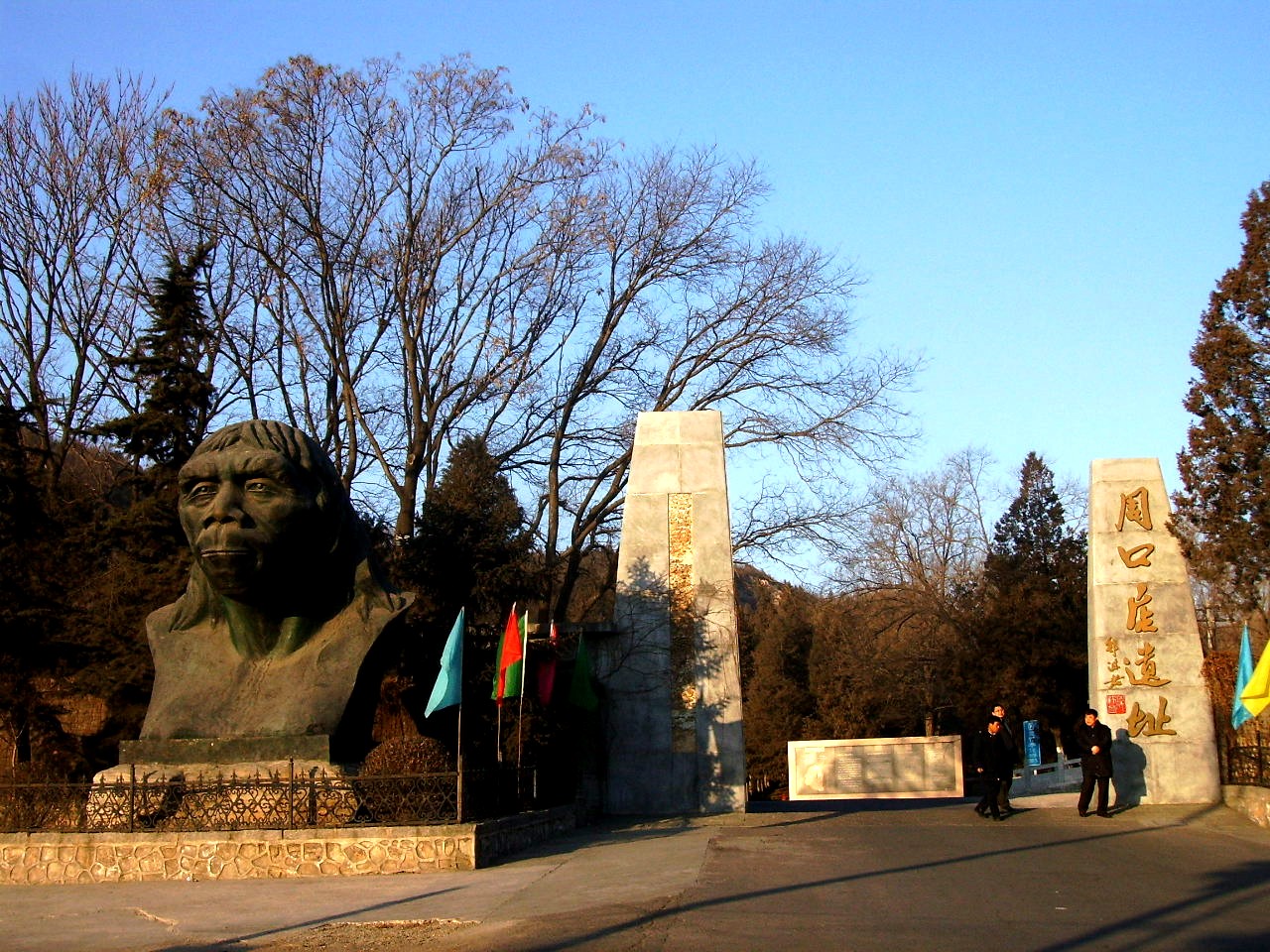
Summers hit 26–27°C in July with humid heat, winters drop well below freezing, and spring brings Beijing's notorious sandstorms. The food scene is honest northern Chinese — lamb skewers, hand-pulled noodles, jianbing — cheap and good, but don't expect international variety. The expat community is essentially nonexistent; you will likely be the only foreigner in your apartment complex. Weekends mean hiking in the Shihuadong cave area or visiting the UNESCO-listed Peking Man site at Zhoukoudian. This city suits Mandarin-speaking expats working in manufacturing or construction who prioritize low costs over any semblance of international community.
🏚️ Cost of Living
💰 Budgets and Costs
Grocery Basket
Eating Out
Utilities & Lifestyle
Housing
A 1BR in the center runs about $600/mo. If your income is in another currency, bank FX fees add up. A multi-currency account can cut that cost.
See low-fee transfersWe may earn a commission at no cost to you.
💰 Real Spend Reports
🛡️ Safety & Crime
(Higher is safer)
(Lower is safer)
Fangshan is a relatively safe district for expats, with low violent crime and strong police presence typical of Chinese cities. Petty theft and scams targeting foreigners occur occasionally—watch for overcharging in taxis, counterfeit goods, and online fraud. Avoid displaying expensive items and use registered taxis or apps like Didi. The main concern is navigating bureaucratic complexity around residency and financial regulations rather than street safety. Overall, it's a secure choice for remote workers and retirees, though the suburban character means fewer expat communities and English speakers than central Beijing.
🏥 Healthcare
🌤️ Climate
Best Months
Climate Notes
Fangshan experiences extreme temperature variations with hot summers and cold winters, likely contributing to moderate air quality challenges due to heating and cooling needs.
💻 Digital Nomad
Community Notes
| Name | Price/mo | Notes |
|---|---|---|
| Ucommune (Fangshan Branch) | $150 | Ucommune is a well-known coworking chain in China. While specific Fangshan branch details are limited online, it likely offers standard amenities like meeting rooms, high-speed internet, and a professional environment, suitable for expats seeking a reliable workspace. |
| Inno Valley Startup Town Coworking Space | $120 | Located within the Inno Valley Startup Town in Fangshan, this coworking space caters to startups and entrepreneurs. It provides a collaborative environment and resources for innovation, potentially appealing to digital nomads interested in networking with local businesses. |
| Regus (Likely in nearby Fengtai District) | $200 | While a Regus location directly in Fangshan is unconfirmed, it's highly probable that there's one in the adjacent Fengtai District, which is more commercially developed. Regus offers a professional and globally recognized coworking experience with various amenities, making it a safe choice for expats. |
Working remotely from Fangshan? Nomad health insurance covers you across borders, month to month.
See nomad insuranceWe may earn a commission at no cost to you.
🧳 Expat Life
Expat Life Notes
Fangshan is an outer district of Beijing. It offers more space and lower rent than the city center, attracting some families and students from the local higher education park.
Pros
- ✓ Lower rent than central Beijing
- ✓ Close to geological parks
- ✓ Subway connectivity
Cons
- ✗ Long commute to CBD
- ✗ Suburban feel
- ✗ Limited Western dining
🛂 Visa Options for China
Many long-stay visas require proof of health insurance. Compare international health plans before you apply.
Compare health insuranceWe may earn a commission at no cost to you.
Not sure which China visa you qualify for?
Answer 10 questions and get a personalized match in under 2 minutes.
Could living/working in Fangshan cut years off your work life?
With a 1-bedroom in the center at $600/mo, your FIRE number here might be much lower than you think.
Estimate the cost of moving to Fangshan, China
Get a free moving cost estimate for moving to Fangshan, China. Takes 10 seconds.
How much are you shipping?
When are you moving?
Powered by Sirelo. Free quotes from verified international movers.
Share This Guide
Fangshan won't stay this cheap forever.
Cost-of-living and visa updates for Fangshan and the rest of China. Free with RA Postcards.
By submitting your email address, you will receive a free subscription to RA Postcards and special offers from Rewire Abroad and our affiliates. You can unsubscribe at any time, and we encourage you to read more about our Privacy Policy.