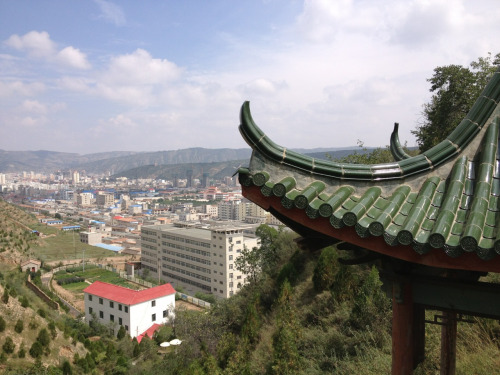
Dingxi, China
Data updated Sep 3, 2026
📊 Scores
Best fit: FIRE / Geoarbitrage (score: 82)
Agriculture is the economic backbone here — potatoes, yams, Sichuan pepper, walnuts, and over 300 varieties of medicinal herbs move through Dingxi's supply chains and define who has money and who doesn't. Anding County alone is China's top yam producer, and the medicinal herb trade connects local farmers to pharmaceutical supply chains nationwide. For expats, the job market is essentially nonexistent in any conventional sense — there's no tech sector, no multinational presence, and English teaching demand is minimal given the small urban population of roughly 2.5 million spread across a largely rural prefecture.
Rent is genuinely cheap — expect to pay 800–1,500 RMB ($110–$210/month) for a decent apartment in the city center, though housing stock is aging and amenities are basic. The G22 and G30 expressways plus high-speed rail to Lanzhou (roughly 40 minutes) make regional travel manageable, but local public transport is limited. Healthcare is a real concern: facilities are basic by Chinese standards, and anything serious means a trip to Lanzhou. Mandarin is essential — the local dialect drops one of the four standard tones, which can confuse even fluent Mandarin speakers, and English is functionally absent.
Winters are cold and dry, dropping well below freezing, while summers are mild and occasionally humid — the climate is functional rather than pleasant, and the landscape is arid loess plateau with limited greenery. Food is northwestern Chinese: hand-pulled noodles, lamb, potato dishes done dozens of ways, and strong tea culture. The expat community is effectively zero — you will not find coworking spaces, international bars, or English-language social groups. Weekends mean hiking eroded hillsides, visiting local markets, or taking the train to Lanzhou for civilization. This city suits only the most committed Mandarin learners or researchers with a specific agricultural or ethnobotanical focus.
🏚️ Cost of Living
💰 Budgets and Costs
Grocery Basket
Eating Out
Utilities & Lifestyle
Housing
A 1BR in the center runs about $220/mo. If your income is in another currency, bank FX fees add up. A multi-currency account can cut that cost.
See low-fee transfersWe may earn a commission at no cost to you.
💰 Real Spend Reports
🛡️ Safety & Crime
(Higher is safer)
(Lower is safer)
Dingxi is a relatively safe city for expats, with low violent crime rates typical of inland Chinese cities. Petty theft and scams targeting foreigners are the primary concerns—remain vigilant with valuables on public transport and in crowded areas. Language barriers can complicate police interactions, so keep embassy contacts handy. The main risk is administrative hassle rather than personal danger. For a 30-65 year-old American, this is a manageable location, though the remote inland setting means fewer expat services and English speakers than major cities like Shanghai or Beijing.
Dingxi has a safety index of 63/100. Petty theft and lost belongings are the most common problems for newcomers. Compare travel insurance before you go.
Compare travel insuranceWe may earn a commission at no cost to you.
🏥 Healthcare
🌤️ Climate
Best Months
Climate Notes
Dingxi has a continental climate with cold, dry winters (December–February) and mild summers (June–August), featuring significant temperature swings and low precipitation year-round.
💻 Digital Nomad
Community Notes
| Name | Price/mo | Notes |
|---|---|---|
| Regus Lanzhou Dongfanghong Square | $150 | While technically in Lanzhou, it's the closest internationally recognized coworking option to Dingxi (approx. 3 hours by train). Regus offers reliable amenities and a professional environment suitable for expats needing a familiar workspace when traveling from Dingxi. |
| 创客空间 (Maker Space) - Likely Local Options | $50 | Dingxi likely has smaller, locally-run '创客空间' (Maker Space) style coworking options. These are difficult to verify online in English, but worth investigating upon arrival for budget-friendly options and local networking. Check business incubators or tech parks. |
Working remotely from Dingxi? Nomad health insurance covers you across borders, month to month.
See nomad insuranceWe may earn a commission at no cost to you.
🧳 Expat Life
Expat Life Notes
Dingxi is a dry, agricultural city in Gansu. Its expat population is extremely small and tends to be involved in NGOs or agricultural research.
Pros
- ✓ Unique loess plateau scenery
- ✓ Low living costs
Cons
- ✗ Arid climate
- ✗ Remote
- ✗ Limited amenities
🛂 Visa Options for China
Many long-stay visas require proof of health insurance. Compare international health plans before you apply.
Compare health insuranceWe may earn a commission at no cost to you.
Not sure which China visa you qualify for?
Answer 10 questions and get a personalized match in under 2 minutes.
Could living/working in Dingxi cut years off your work life?
With a 1-bedroom in the center at $220/mo, your FIRE number here might be much lower than you think.
Moving to Dingxi? Estimate what an international move would cost and compare mover quotes.
Estimate my move costShare This Guide
Dingxi won't stay this cheap forever.
Cost-of-living and visa updates for Dingxi and the rest of China. Free with RA Postcards.
By submitting your email address, you will receive a free subscription to RA Postcards and special offers from Rewire Abroad and our affiliates. You can unsubscribe at any time, and we encourage you to read more about our Privacy Policy.