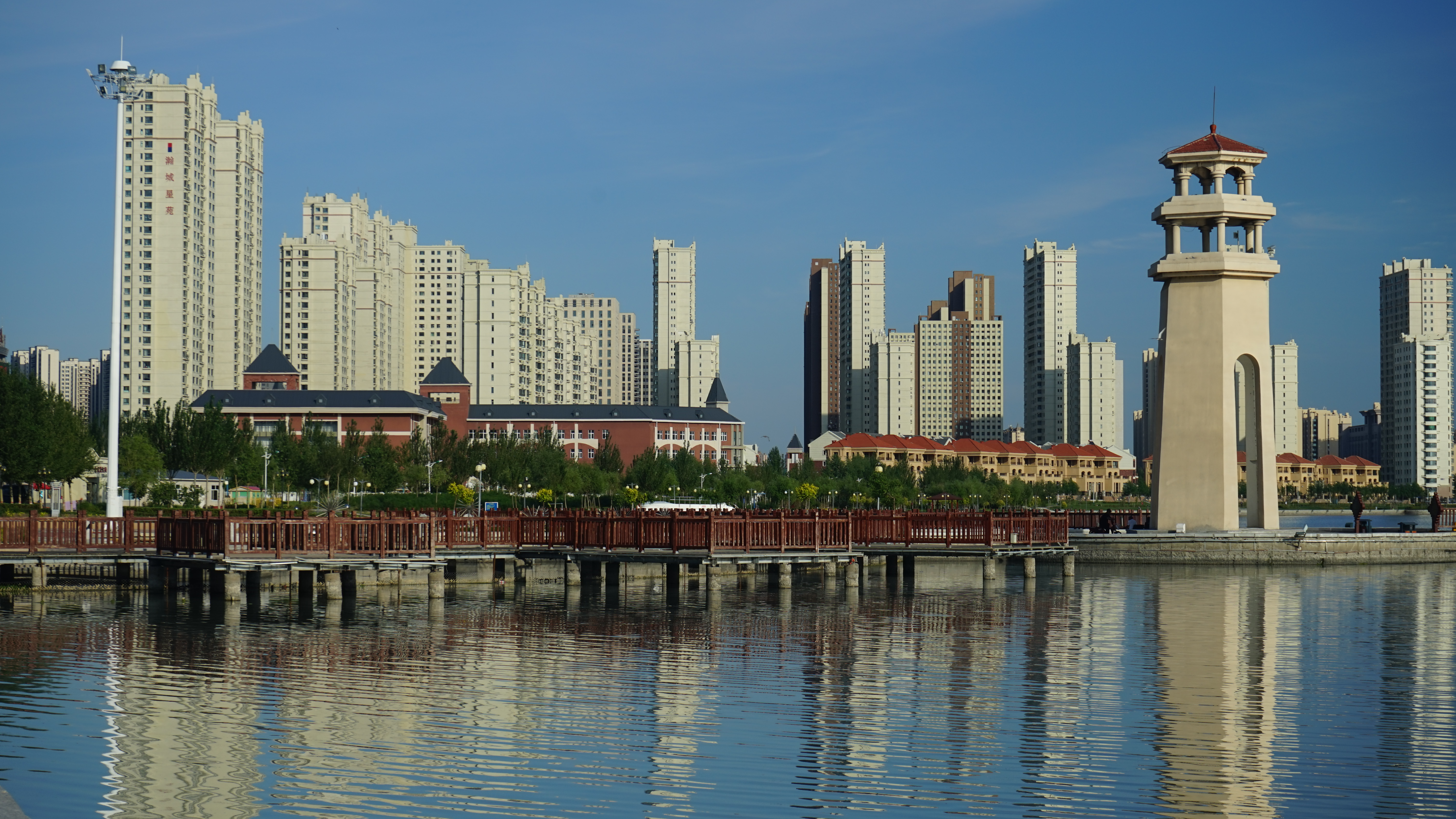
Daqing sits in northeastern China at 151 m above sea level, a continental city of 2.8 million people where winters bite and summers arrive warm and brief. The clock runs on Asia/Shanghai time, and daily life moves to that steady rhythm. Expats tend to cluster in the Daqing High-tech Zone, a district that has become the default landing spot for newcomers who want modern housing and easy access to the city's working life. Internet runs at an average of 80 Mbps, enough for remote work, streaming, and video calls without much fuss.
Housing is where Daqing's numbers get genuinely striking. A one-bedroom in the city center runs $250/mo, while the same apartment outside the center drops to $180/mo. Families or sharers can take a three-bedroom in the center for $500/mo, or step outside for $350/mo. Beyond rent, a single adult spends about $450/mo on everything else, which puts the budget tier at $700/mo, the mid-range tier at $1,200/mo, and the comfortable tier at $1,800/mo. Those figures make Daqing one of the more affordable places to live well on a modest income.
Safety is a strong point. The crime index sits at 28/100, low enough that everyday caution covers most situations, and the safety index of 70/100 reflects that general ease. Healthcare quality is rated Fair, which means routine care is available and workable, while complex or specialized treatment may call for a trip to a larger city. Air quality is the tradeoff, with an index of 85 that signals pollution is a real presence, especially in colder months when heating demand climbs.
Getting there is straightforward through Daqing Sartu Airport, coded DQA, just 18 km from the city. Visa arrangements follow China's national framework, and the limited English proficiency means a translation app or a few Mandarin phrases go a long way. The expat community is medium in size, and the overall expat score of 82/100, a FIRE score of 84/100, and a digital nomad score of 70/100 suggest Daqing suits savers, early retirees chasing low costs, and remote workers who value quiet over nightlife. The retiree score of 56/100 is more measured, a reminder that the climate and healthcare picture matter more once daily life slows down.