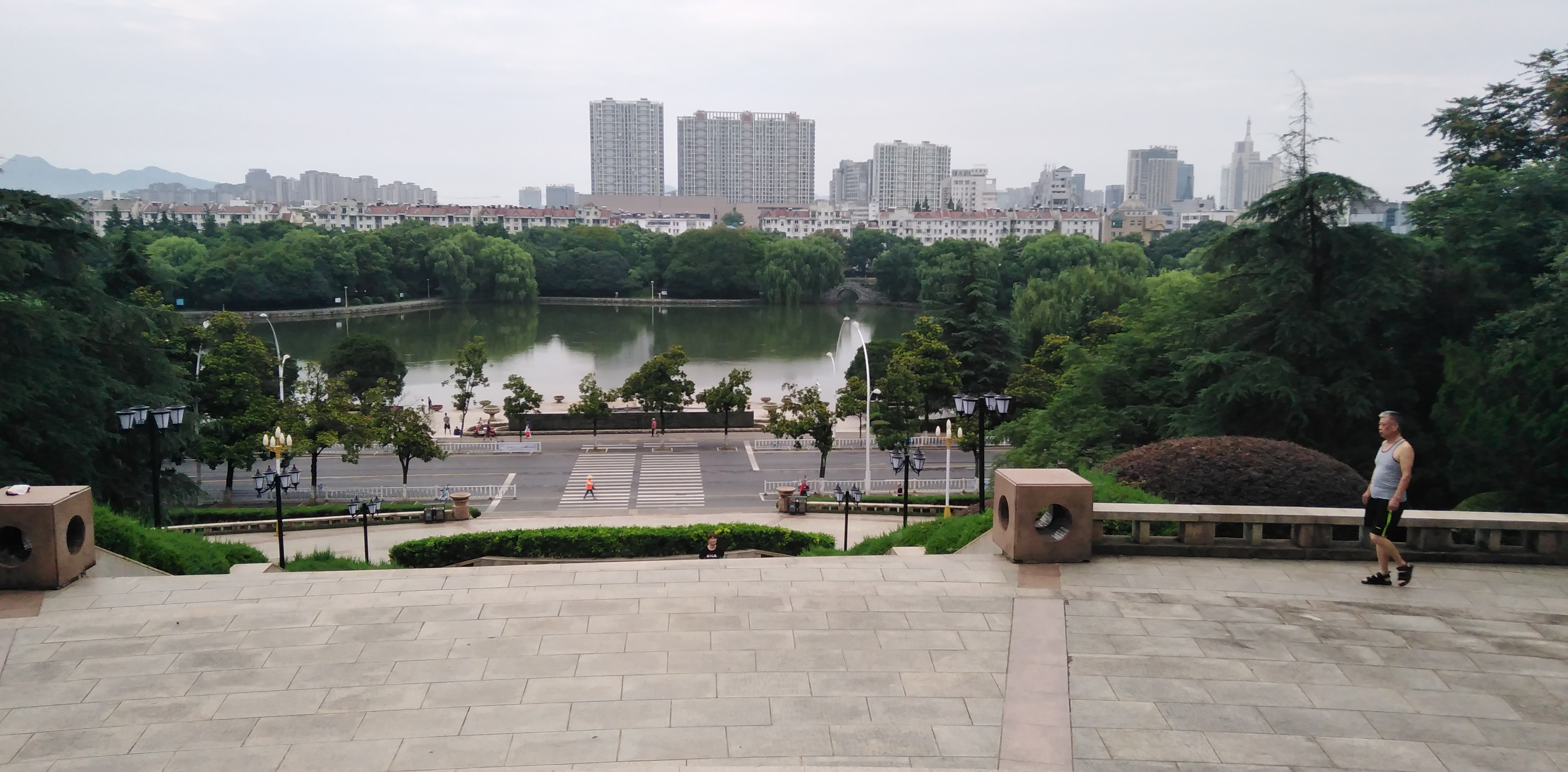
Chizhou sits about 300 meters above sea level in China's Anhui province, a city of 1.3 million people that straddles the Yangtze River plain and the foothills of the Huangshan range. The climate is humid subtropical, meaning summers from June through August are hot and wet, while winters from December through February turn cold and dry, so you will need to adapt to sharp seasonal swings. Most expats who settle here choose the Guichi District, the city's main urban core, where daily life, markets, and transport are most convenient. The expat community itself is small, so newcomers should expect a more local, less international atmosphere than in China's mega-cities.
Living costs in Chizhou are strikingly low, which is the city's biggest draw for budget-conscious singles and families. A one-bedroom apartment in the city center rents for about $250 per month, dropping to $180 outside the center, while a three-bedroom in the center runs $500 and $350 on the outskirts. A single adult can live on a budget tier of roughly $308 per month with rent included, step up to a mid-range tier at $423, or enjoy a comfortable tier at $551. Beyond housing, monthly expenses excluding rent average around $450, with utilities at $48, internet at $15, and a mobile phone plan at just $10. Eating out is inexpensive too: a meal at a casual restaurant costs about $4, a three-course meal for two at a mid-range spot is $26, and a cappuccino runs $3.
Safety in Chizhou is moderate, with a safety index of 60 out of 100 and a crime index of 38, where lower is safer, indicating a generally peaceful environment with the usual precautions advised. Healthcare quality is rated as good, which is reassuring for expats and retirees, though English proficiency is limited, so learning some basic Mandarin will go a long way in medical settings. The air quality index sits at 68, which is moderate and can be a consideration during the hazy winter months, but it is not a dealbreaker for most. The city's overall expat score is 84 out of 100, reflecting a solid quality of life for those who adapt to its slower pace.
Getting to Chizhou is straightforward via the nearest airport, with the IATA code JUH, located about 21 kilometers from the city center. For visas, the standard routes for long-term stays apply, though the guide does not name specific programs, so you will need to research current options based on your purpose, whether work, study, or retirement. Chizhou suits digital nomads and FIRE enthusiasts best, with a FIRE score of 86 and a digital nomad score of 63, thanks to the low cost of living and an average internet speed of 50 Mbps. Retirees may find it less ideal, given the retiree score of 62 and the limited English, but for anyone seeking an affordable, quiet base in central China, Chizhou delivers.