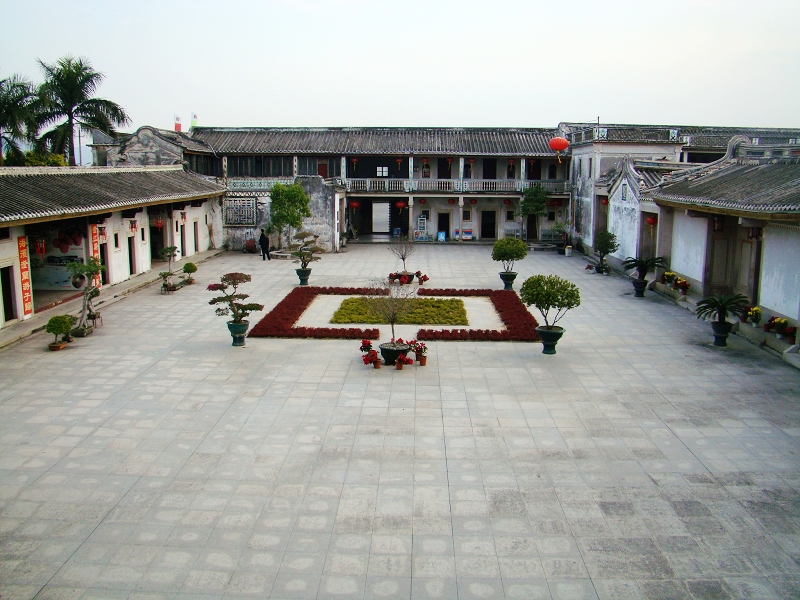
Chenghai, China
Data updated Sep 29, 2026
📊 Scores
Best fit: FIRE / Geoarbitrage (score: 81)
Manufacturing is the entire economy here — specifically toys, gifts, anime merchandise, and woolen sweaters. Over 4,000 factories produce goods worth 31+ billion yuan annually, with 70% exported globally, and four publicly listed companies (including Alpha Animation and Rastar Group) anchor the sector. Foreign buyers, sourcing agents, and B2B traders are the expats most likely to earn a living in Chenghai. Remote workers can function here, but the city exists to make physical things, not to host laptop workers at co-working spaces.
Rent runs roughly 1,500–2,500 RMB/month ($210–$350) for a decent apartment — genuinely cheap by any standard. Mandarin works in formal settings, but Teochew dialect dominates daily life, meaning even Mandarin-fluent expats face a real communication wall at markets, clinics, and with landlords. Healthcare is available at district-level hospitals, but English-speaking staff are essentially nonexistent; serious medical issues mean a trip to Shantou city or Guangzhou. Bureaucracy follows standard Chinese registration requirements — expect paperwork friction for residence permits and business licensing.
Summers are hot and humid from May through September, with typhoon risk; winters are dry and mild, rarely dropping below 10°C. Local food is Teochew cuisine — seafood-heavy, lighter than Sichuan, genuinely excellent if you eat adventurously. There is no meaningful expat social scene; this is not a city where foreigners gather at bars on weekends. Weekends mean factory district walks, day trips to Shantou (30 minutes away), or Chaozhou (45 minutes). This city suits sourcing professionals, manufacturing entrepreneurs, or FIRE retirees who want ultra-low costs and don't need an English-speaking social life.
🏚️ Cost of Living
💰 Budgets and Costs
Grocery Basket
Eating Out
Utilities & Lifestyle
Housing
A 1BR in the center runs about $300/mo. If your income is in another currency, bank FX fees add up. A multi-currency account can cut that cost.
See low-fee transfersWe may earn a commission at no cost to you.
💰 Real Spend Reports
🛡️ Safety & Crime
(Higher is safer)
(Lower is safer)
Chenghai is a relatively safe city for expats with low violent crime rates typical of tier-2 Chinese cities. Petty theft and scams targeting foreigners occur occasionally—watch for counterfeit goods, taxi overcharging, and online fraud. Avoid displaying expensive items and use registered taxis or ride-sharing apps. The main concern is navigating bureaucratic complexity and language barriers rather than personal safety. Political sensitivities around foreign residents exist; avoid discussing sensitive topics. Overall, it's a reasonable choice for remote workers or retirees seeking affordability and stability, though it lacks the expat infrastructure of larger cities.
🏥 Healthcare
🌤️ Climate
Best Months
Climate Notes
Chenghai has a subtropical climate with hot, humid summers (May-September) and mild, dry winters (November-February), typical of coastal Guangdong province.
💻 Digital Nomad
Community Notes
| Name | Price/mo | Notes |
|---|---|---|
| Regus Shantou | $150 | While technically in Shantou, Regus offers a reliable option with business support services. It's a good choice for those needing a professional environment and is accessible from Chenghai. |
| Ucommune (Shantou) | $120 | Similar to Regus, Ucommune has locations in nearby Shantou, providing a modern coworking environment with various amenities. It's suitable for digital nomads seeking a more vibrant community. |
Working remotely from Chenghai? Nomad health insurance covers you across borders, month to month.
See nomad insuranceWe may earn a commission at no cost to you.
🧳 Expat Life
Expat Life Notes
Chenghai is a district of Shantou City in eastern Guangdong Province, known historically as a major export center for Chinese toys and plastics. It has a large overseas Chinese diaspora connection, particularly to Southeast Asia, but this does not translate into a conventional expat community. A small number of foreign business representatives visit for trade. Cantonese and Chaoshan dialect dominate.
Pros
- ✓ Low cost of living
- ✓ Thriving export trade economy
- ✓ Overseas Chinese diaspora connections
- ✓ Good coastal Guangdong food
Cons
- ✗ No English spoken
- ✗ No expat infrastructure
- ✗ Limited to trade visitors
- ✗ Chaoshan dialect barrier even for Mandarin speakers
🛂 Visa Options for China
Many long-stay visas require proof of health insurance. Compare international health plans before you apply.
Compare health insuranceWe may earn a commission at no cost to you.
Not sure which China visa you qualify for?
Answer 10 questions and get a personalized match in under 2 minutes.
Could living/working in Chenghai cut years off your work life?
With a 1-bedroom in the center at $300/mo, your FIRE number here might be much lower than you think.
Estimate the cost of moving to Chenghai, China
Get a free moving cost estimate for moving to Chenghai, China. Takes 10 seconds.
How much are you shipping?
When are you moving?
Powered by Sirelo. Free quotes from verified international movers.
Share This Guide
Chenghai won't stay this cheap forever.
Cost-of-living and visa updates for Chenghai and the rest of China. Free with RA Postcards.
By submitting your email address, you will receive a free subscription to RA Postcards and special offers from Rewire Abroad and our affiliates. You can unsubscribe at any time, and we encourage you to read more about our Privacy Policy.