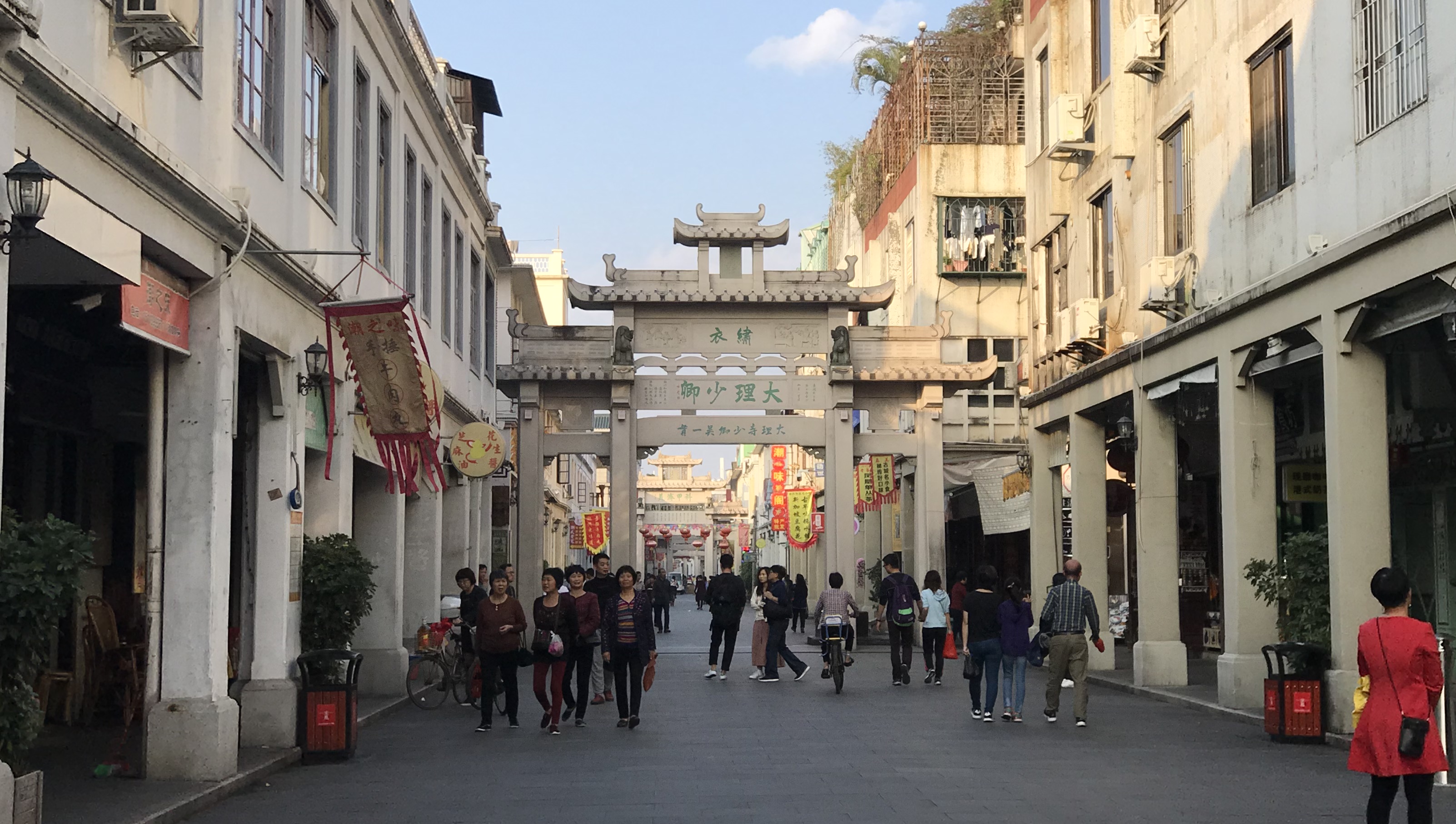
Chaozhou sits about 17 kilometers from the SWA airport, low in elevation at 15 meters above sea level, in China's subtropical south. The climate here is defined by hot, humid summers from May through September and mild, dry winters from December through February, with a pronounced monsoon season bringing heavy rainfall. For the small number of expats who do settle here, most choose the Xiangqiao District, which serves as the city's central hub. With a population of 2.6 million, Chaozhou is a sizable city, yet the expat community remains very few, and English proficiency is limited, so daily life requires some Mandarin or Cantonese.
Living costs in Chaozhou are strikingly low, especially when compared to Western cities. A single person's monthly expenses excluding rent come to about $500, but rent itself is remarkably cheap: a one-bedroom apartment in the city center runs $573 per month, while the same unit outside the center costs just $89. A three-bedroom in the center is $447, and outside the center it drops to $239. Utilities run $44 monthly, internet is $5, and a mobile phone plan is $4. A monthly public transport pass costs $15, and a gym membership is $18. Eating out is inexpensive: a meal at an inexpensive restaurant is $2, a three-course meal for two at a mid-range restaurant is $23, and a cappuccino is $1. The overall cost of living index sits at 34 out of 100, with New York City as the benchmark. The average monthly net salary locally is $485, which means many residents find the budget tier of living, at $211 per month, or the mid-range tier at $293 per month, quite feasible. For those seeking more comfort, the comfortable tier totals $810 per month.
Safety in Chaozhou is moderate, with a safety index of 58 out of 100 and a crime index of 42 (lower is safer). It is not a city where you need to look over your shoulder constantly, but standard precautions are wise. Healthcare quality is rated as fair, and the air quality index is 52, which is moderate. While the public healthcare system is accessible, expats with specific medical needs may want to plan ahead, as English proficiency is limited in medical settings. The city's low crime rate and fair healthcare make it a reasonable choice for budget-conscious residents, though it may not suit those seeking top-tier medical facilities or a large international community.
Getting to Chaozhou is straightforward via the SWA airport, located 17 kilometers away. Visa options exist for long-term stays, though specific program names are not covered here; it is best to consult official Chinese immigration channels for current requirements. Chaozhou suits a particular kind of resident: the digital nomad or early retiree who values extreme affordability and a slower pace of life. With a FIRE score of 76 out of 100, it is a strong candidate for those pursuing financial independence, and the overall expat score of 74 reflects its appeal for cost-focused travelers. However, the retiree score is 50 and the digital nomad score is 58, indicating that while the city is cheap, it lacks the amenities and community that many long-term expats seek. For those who can adapt to limited English and a small expat presence, Chaozhou offers a genuinely low-cost base in a culturally rich part of China.