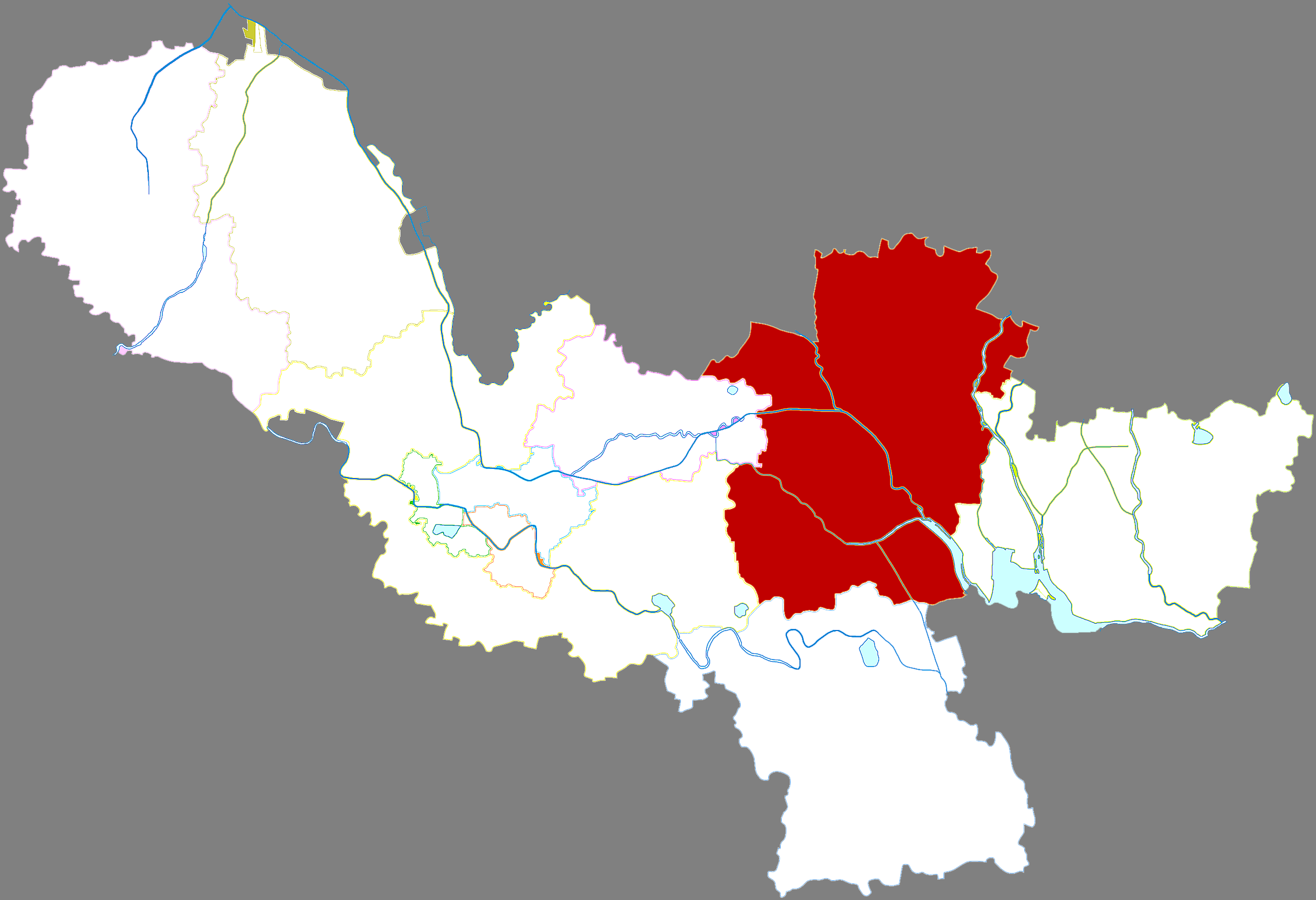
Bayiji sits in China at just 60 m above sea level, on Asia/Shanghai time, and it runs on a continental climate that swings hard in both directions. Summers turn scorching and dry, with highs beyond 38°C, while winters drop near freezing. Rain is scarce all year, and spring brings significant dust storms that rearrange plans and leave a film on every windowsill. The city holds 1.5 million people, and the expat presence is thin enough that there is no established community to slot into. Those who do settle here tend to cluster around Bayiji Town Square, the one named area that functions as a social and practical anchor.
Rent is the number that surprises people first. A 1-bedroom in the city center runs $300/mo, and the same apartment outside the center drops to $200/mo. Families or sharers looking at 3-bedrooms pay $600/mo in the center or $400/mo outside it. Beyond housing, a single person spends roughly $450/mo on everything else, according to a Numbeo summary. That produces three workable tiers for a single adult with rent included: $700/mo at the budget end, $1,200/mo for mid-range living, and $1,800/mo for a comfortable setup. Internet averages 85 Mbps, fast enough for remote work, streaming, and video calls without much friction.
Safety here is middling rather than reassuring. The safety index reads 55/100, and the crime index sits at 45/100, where lower is safer. That combination suggests ordinary precautions matter more than they would in a city with stronger numbers. Healthcare is a bigger concern: quality is rated Poor, which means serious or ongoing medical needs would likely require travel elsewhere. Air quality adds another layer, with an index of 120, a level that sensitive people will notice on bad days and that argues for paying attention to where you live relative to traffic and industry.
Visas follow the standard national framework, and the nearest airport is XUZ, 20 km away, which keeps arrivals and departures relatively quick. English proficiency is Limited, so daily life rewards at least some Mandarin or a translation app within reach. The overall expat score of 76/100 and FIRE score of 78/100 point to a place that works well for people optimizing savings and remote income, while the digital nomad score of 57/100 and retiree score of 39/100 suggest it suits younger, self-sufficient arrivals more than those seeking a soft landing or a built-in social circle.
Estimate the cost of moving to Bayiji, China
Get a free moving cost estimate for moving to Bayiji, China. Takes 10 seconds.
How much are you shipping?
When are you moving?
Powered by Sirelo. Free quotes from international movers.
🏚️ Cost of Living
💰 Budgets and Costs
A category breakdown is not available for Bayiji yet. We publish a breakdown only when every category can be priced from local data, rather than showing figures we cannot stand behind.
Rent, 1 bedroom in the centre
$300/mo
Living costs, excluding rent
$450/mo
Still needed for a full breakdown: grocery prices, restaurant prices and utility bills.
Bayiji offers moderate safety for expats with a Numbeo Safety Index of 55, suggesting relatively low violent crime rates typical of inland Chinese cities. Primary concerns include petty theft, scams targeting foreigners, and occasional traffic safety issues rather than serious crime. Avoid displaying valuables, use registered taxis or ride-sharing apps, and stay aware in crowded markets. As a smaller industrial city, Bayiji lacks the expat infrastructure of major hubs like Shanghai or Beijing, which may complicate emergency support. For Americans comfortable with Chinese bureaucracy and language barriers, it's reasonably safe; however, those seeking robust expat communities should consider larger cities.
Bayiji has a safety index of 55/100. Petty theft and lost belongings are the most common problems for newcomers. Compare travel insurance before you go.
Bayiji experiences a continental climate with scorching, dry summers exceeding 38°C and cold winters near freezing, with minimal precipitation year-round and significant dust storms in spring.
💻 Digital Nomad
Avg Internet Speed
85 Mbps
Coworking Availability
None
Coworking Spaces Nearby
0
Digital Nomad Score
54/100
Community Notes
Bayiji is not well-suited for digital nomads due to minimal facilities.
Located in the Baoding High-tech Zone, Ucommune offers a modern and professional environment. It's a good option for those seeking a more established coworking brand with reliable amenities and networking opportunities, though it's a bit outside the city center.
MyDreamPlus provides a vibrant and creative workspace in Baoding. It's known for its community events and design-focused spaces, making it suitable for digital nomads looking for a more social and engaging coworking experience.
Regus offers a reliable and professional coworking environment in Baoding. As a global brand, it provides consistent amenities and services, making it a safe choice for remote workers who value stability and convenience.
See how Bayiji's digital nomad life compares with Jinshi
🧳 Expat Life
English Proficiency
Limited
Expat Community
None
Top Neighborhoods
Bayiji Town Square
Banks Nearby
0
ATMs Nearby
0
Expat Life Notes
Bayiji is a small local town with zero international resident infrastructure.
Pros
✓ Local prices
Cons
✗ No services
✗ Isolated
✗ No English
🏘️ Neighborhoods in Bayiji
Areas of Bayiji that expats often consider.
Conditions can change from one block to the next, and these descriptions are general guides, not safety assessments. Before choosing where to stay or live, check current travel advisories, talk to people who live there, and visit in person if you can.
Hongshan District
Educational, modern, student-centric
Home to Wuhan University and other major educational institutions, Hongshan is a vibrant area with a large student population. It offers a mix of modern apartments and older housing, with plenty of restaurants and shops catering to younger residents. While generally expat-friendly due to the universities, English may not be widely spoken outside of those areas.
Wuchang District (Riverside)
Historic, scenic, touristy, bustling
The riverside area of Wuchang offers stunning views of the Yangtze River and is close to historical sites like the Yellow Crane Tower. It's a popular tourist destination, which means higher prices and more crowds. However, the central location and access to amenities make it attractive for some expats, though be prepared for tourist-oriented businesses.
Hankou (Jianghan Road)
Commercial, lively, shopping, central
Jianghan Road is a major commercial street in Hankou, offering a wide range of shopping, dining, and entertainment options. It's a very central and convenient location, but also very busy and noisy. While some English is spoken in tourist-oriented businesses, knowing some Mandarin is helpful. Expect higher rents due to the prime location.
Qingshan District
Industrial, residential, budget-friendly
Qingshan is traditionally an industrial district, offering more affordable housing options. It's further from the city center and less developed than other areas. While not particularly expat-friendly, it could be a good option for those on a tight budget who are willing to learn Mandarin and adapt to a less international environment.
Optics Valley (Donghu New Technology Development Zone)
Modern, tech-focused, suburban, growing
Optics Valley is a modern, rapidly developing area focused on technology and innovation. It's located further from the city center but offers newer apartments and a more suburban feel. It's becoming increasingly popular with expats working in the tech industry, and some English is spoken in the area.
Hanyang District
Residential, developing, balanced, mixed
Hanyang is a large district with a mix of residential areas, commercial zones, and industrial sites. It's undergoing significant development, with new apartments and infrastructure being built. While not a major expat hub, it offers a more balanced living environment and potentially lower rents than more central areas. Learning Mandarin is recommended.
Page 1 of 2
Could living/working in Bayiji cut years off your work life?
With a 1-bedroom in the center at $300/mo, your FIRE number here might be much lower than you think.
In Bayiji, a one-bedroom runs $300 in the center and $200 outside it and three bedrooms come to $600 in the center and $400 outside it, per month.
Bayiji scores 55 on the safety index (higher is safer) and a crime index of 45 (lower is safer).
Average internet speed in Bayiji is 85 Mbps.
In Bayiji, summer averages 38°C, winter averages 2°C and annual rainfall is 1107 mm.
Generally yes in terms of street crime — small Chinese cities tend to be physically safe. The safety index of 55 is moderate. The bigger risk is practical isolation: limited English, minimal expat infrastructure, and healthcare that can't communicate with you easily.
No, not realistically. Unlike Nanjing or Shanghai, English is essentially absent here. Menus, officials, landlords, and doctors will all require Mandarin. If you're not at least conversational, daily life becomes genuinely exhausting.
It's among the cheapest in Jiangsu. Expect to spend ¥4,000–6,000/month ($550–$830) covering rent, food, transport, and utilities — roughly half what you'd spend in Nanjing and a fraction of Shanghai costs.
Bayiji has a continental climate with hot, humid summers and cold, dry winters. Expect temperatures ranging from below freezing in January to well over 80°F (27°C) in July, so pack accordingly. Spring and autumn are generally mild and pleasant, making them ideal times to visit or settle in.
Rent in Bayiji is quite affordable compared to major US cities. You can find a decent one-bedroom apartment in a central area like the New District for around $300-$500 USD per month. Expect to pay less in older neighborhoods or further from the city center.
Yes, Bayiji has a well-developed public transportation system. Buses are frequent and inexpensive, and the city also has a metro system that's expanding. Taxis and ride-sharing services are readily available and relatively cheap, making car ownership unnecessary for many expats.
While English proficiency among medical staff isn't widespread, some international hospitals and clinics in Bayiji have English-speaking doctors. It's best to research and identify these facilities beforehand, and consider getting a local health insurance plan that covers them. Having a translation app handy is also a good idea.
Internet speeds in Bayiji are generally excellent, with widespread access to high-speed fiber optic connections. You can expect download speeds of 50-100 Mbps or more, making it suitable for video conferencing, streaming, and other bandwidth-intensive tasks. Coworking spaces are still developing, but cafes often offer reliable Wi-Fi.
Bayiji is generally considered a safe city with a low crime rate. Petty theft can occur, especially in crowded areas, so it's wise to be aware of your surroundings. Violent crime is rare, and women can generally feel safe walking alone at night in well-lit areas. However, it's always best to exercise caution and common sense.
There isn't a specific retirement visa for China. Americans typically explore long-term tourist visas (L visa) or business visas (M visa), but these require frequent renewal and aren't ideal for permanent residency. Investing in a business or securing employment are potential pathways to a longer-term residence permit, but these can be complex.
Several options exist for international money transfers. Services like Wise (formerly TransferWise) and Remitly are popular for their competitive exchange rates and low fees. Traditional bank transfers are also possible, but often come with higher fees. Be aware of China's capital controls and reporting requirements for large transactions.
The expat community in Bayiji is relatively small compared to larger cities like Beijing or Shanghai. However, there are still opportunities to connect with other foreigners through online groups and social events. Don't expect a huge English-speaking bubble; learning some Mandarin will greatly enhance your experience.
While major credit cards like Visa and Mastercard are accepted at some larger hotels and restaurants, cash is still king in Bayiji. Many smaller businesses and local markets only accept Chinese Yuan (CNY). It's best to withdraw cash from ATMs using your debit card, but be aware of potential foreign transaction fees.
Bayiji is known for its Shandong cuisine, which features fresh seafood and hearty dishes. Be sure to try the local dumplings (jiaozi), braised pork (hongshao rou), and seafood noodles. Street food is also abundant and delicious, so don't be afraid to explore the local markets.
As a US citizen, you're still required to file US taxes even when living abroad. You may be able to exclude a significant portion of your foreign earned income using the Foreign Earned Income Exclusion (FEIE). Also, be aware of Foreign Bank Account Reporting (FBAR) requirements if you have foreign bank accounts exceeding $10,000 in aggregate.
Yes, $2,000 USD per month could provide a comfortable retirement in Bayiji, especially if you embrace local living. This budget would cover rent, utilities, groceries, transportation, and some entertainment. However, it's important to factor in healthcare costs and potential visa expenses, which can vary.
Co-working spaces are still emerging in Bayiji, but you can find a few options, particularly in the newer business districts. Check online directories and local business listings for the most up-to-date information. Alternatively, many cafes offer comfortable workspaces with reliable Wi-Fi.
Immerse yourself! Enroll in a local language school, hire a private tutor, or find a language exchange partner. Many universities also offer Mandarin courses for foreigners. Supplement your formal learning with language learning apps and by practicing with locals in everyday situations.
Cost-of-living and visa updates for Bayiji and the rest of China. Free with RA Postcards.
By submitting your email address, you will receive a free subscription to RA Postcards and special offers from Rewire Abroad and our affiliates. You can unsubscribe at any time, and we encourage you to read more about our Privacy Policy.