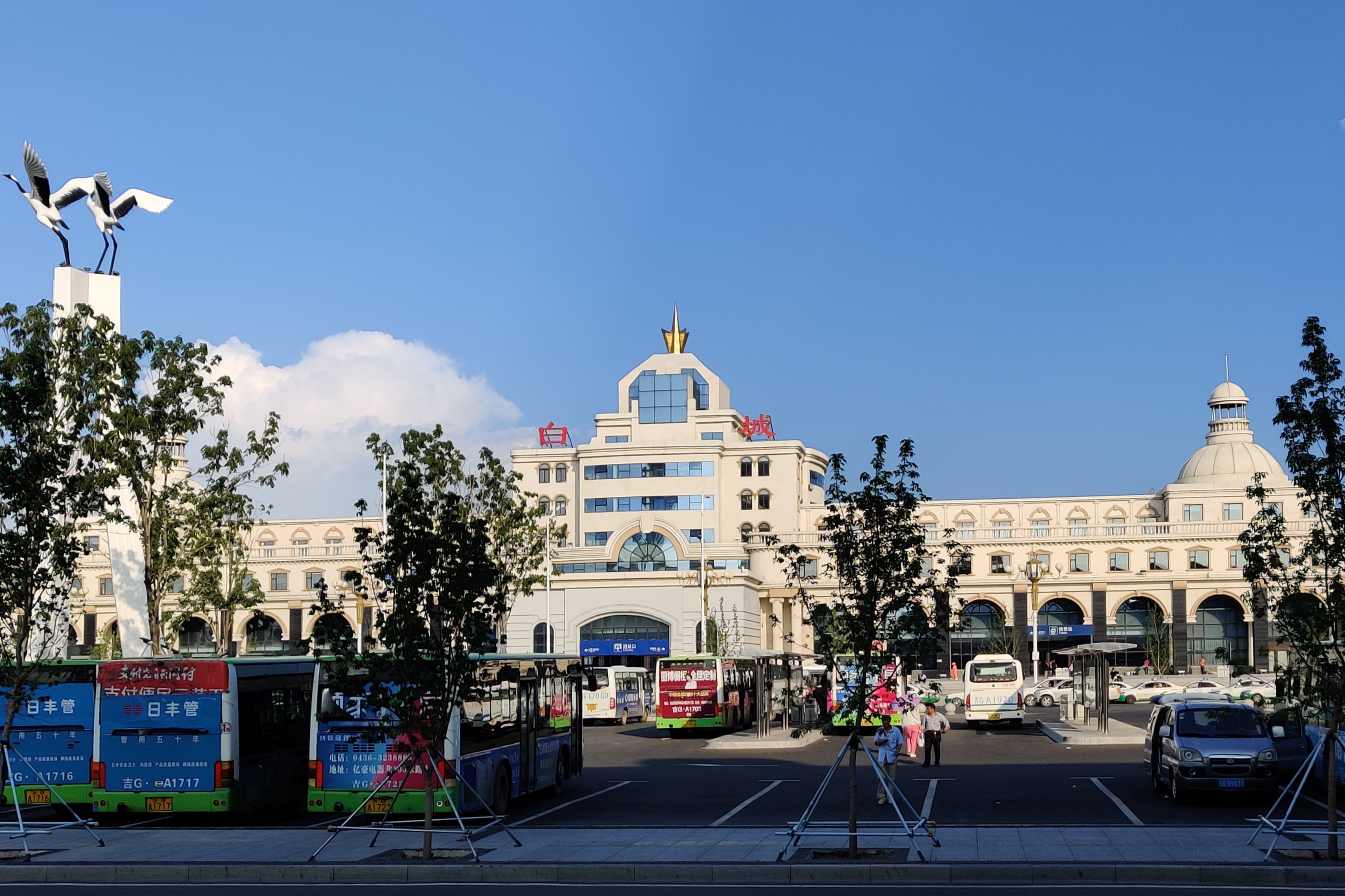
Baicheng, China
Data updated Sep 3, 2026
📊 Scores
Agriculture dominates Baicheng's economy in a way that shapes everything else — this is grain country, with soybean, corn, and sunflower production feeding regional supply chains. Beyond farming, oil refining and chemical manufacturing provide the city's industrial backbone, with state-owned enterprises and energy extraction operations being the primary employers. For expats, the job market is almost exclusively English teaching at local schools or the occasional university post. Private-sector opportunities for foreigners are essentially nonexistent, and remote work is the only realistic alternative for anyone not in education.
Rent for a decent two-bedroom apartment runs roughly ¥1,200–1,800/month ($165–$250), and street food meals cost ¥10–20. That affordability is real. Healthcare access is functional at the city level but limited — serious conditions will send you to Changchun or Shenyang, a 3–4 hour journey. The language barrier is severe: Mandarin fluency is not optional here, as English is almost nonexistent outside classrooms. Bureaucracy for residence permits and visa renewals requires patience and often a Chinese-speaking intermediary. Winter logistics — frozen roads, heating dependency — add friction from November through March.
Winters hit -20°C regularly and last roughly five months, which is the defining lifestyle fact. Summers are warm and short, with grassland scenery that's genuinely impressive if you make the effort to get outside the city. The food scene is northern Chinese — hearty, meat-heavy, cheap — with Mongolian-influenced dishes worth exploring. The expat community is tiny, likely numbering in the dozens, mostly teachers with limited turnover. Weekends mean hotpot, local markets, and occasional grassland day trips. This city suits someone who wants extreme affordability, cultural immersion with zero hand-holding, and has no problem being the only foreigner in the room.
🏚️ Cost of Living
💰 Budgets and Costs
Grocery Basket
Eating Out
Utilities & Lifestyle
Housing
💰 Real Spend Reports
🛡️ Safety & Crime
(Higher is safer)
(Lower is safer)
Baicheng is a relatively safe mid-sized industrial city in Jilin Province with low violent crime rates typical of inland China. Petty theft and scams targeting foreigners are minimal concerns here. Main risks include traffic safety (chaotic driving patterns), air quality issues during winter months, and the standard challenges of navigating bureaucracy as an expat. Police presence is visible and responsive. For Americans accustomed to major U.S. cities, Baicheng feels notably safer day-to-day, though the remote location and limited expat infrastructure mean fewer support networks than larger Chinese cities.
🏥 Healthcare
🌤️ Climate
Best Months
Climate Notes
Baicheng experiences extreme seasonal temperature variations with dry winters and hot summers, impacting its local climate and air quality conditions.
💻 Digital Nomad
Community Notes
| Name | Price/mo | Notes |
|---|---|---|
| Regus Baicheng Wanda Plaza | $150 | Located in the central Wanda Plaza, this Regus offers a professional environment with serviced offices and coworking spaces. Its central location provides easy access to amenities and transportation, making it suitable for expats. |
| Ucommune (Likely in a nearby major city) | $120 | While a direct Ucommune in Baicheng is unlikely, it's possible a smaller local space operates under a similar model. Check for local business centers or serviced offices that offer flexible coworking options, potentially in the Taobei District. |
🧳 Expat Life
Expat Life Notes
Baicheng is an agricultural and wind-energy city in Jilin. It has almost no international residents.
Pros
- ✓ Developing green energy sector
- ✓ Low cost
Cons
- ✗ Severe winters
- ✗ Isolated
- ✗ No western amenities
🛂 Visa Options for China
Not sure which China visa you qualify for?
Answer 10 questions and get a personalized match in under 2 minutes.
Could living/working in Baicheng cut years off your work life?
With a 1-bedroom in the center at $250/mo, your FIRE number here might be much lower than you think.
Share This Guide
Baicheng won't stay this cheap forever.
Cost-of-living and visa updates for Baicheng and the rest of China. Free with RA Postcards.
By submitting your email address, you will receive a free subscription to RA Postcards and special offers from Rewire Abroad and our affiliates. You can unsubscribe at any time, and we encourage you to read more about our Privacy Policy.