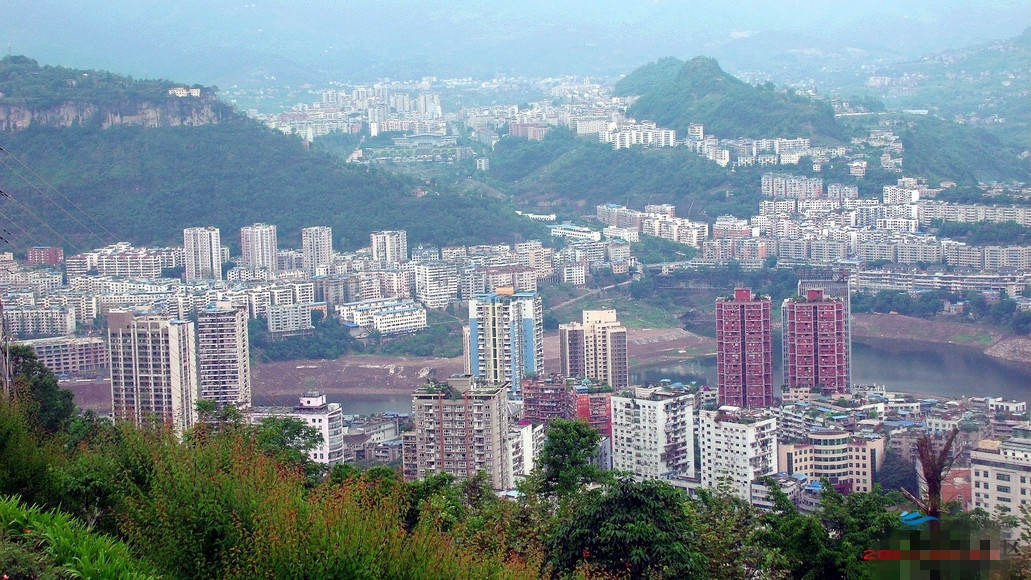
Bai'anba sits at 700 m above sea level in a subtropical climate, a city of 1.6 million people on the Asia/Shanghai clock. The weather runs warm and humid through the long growing season, with mild winters that rarely demand more than a jacket. Foreign residents here are few, and the expat community size is effectively none, so newcomers tend to settle where work and logistics make the most sense. That means the Central Industrial Zone, the one neighborhood that consistently draws the international arrivals who do land here. Internet runs at an average of 85 Mbps, enough for video calls and remote work without much complaint.
Housing is the line item that reshapes every budget. A one-bedroom in the city center rents for $320/mo, while the same apartment outside the center drops to $250/mo. Three-bedroom units run $600/mo in the center and $450/mo farther out, which makes family-sized space unusually attainable. A single adult can cover the basics on a budget tier of $800/mo with rent included, or live comfortably on $2,200/mo. Excluding rent, one person spends about $450/mo, and a family of four spends roughly $1,500/mo. The cost of living index sits at 33/100 against New York City at 100, so daily expenses stay low by almost any international standard.
Safety is a mixed picture rather than a simple reassurance. The safety index reads 55/100 and the crime index, where lower is safer, comes in at 45/100. Air quality is a real consideration at an index of 85, where lower is better, so residents pay attention to pollution levels during certain seasons. Healthcare quality is rated good, which covers most routine and urgent needs, though complex cases may still mean traveling to a larger city. The overall expat score of 83/100 reflects that daily life works well for those who accept the tradeoffs.
Getting here is straightforward: WXN, the nearest airport, sits just 3 km away. Visa rules follow national policy, and English proficiency is limited, so basic Mandarin or a translation app goes a long way in offices, shops, and clinics. The city suits remote workers and early retirees chasing a low cost of living, with a FIRE score of 85/100 and a digital nomad score of 64/100. Retirees rate it 63/100, held back by the thin expat scene and the language barrier. Come for the cheap rent and the quiet, not for a built-in international crowd.