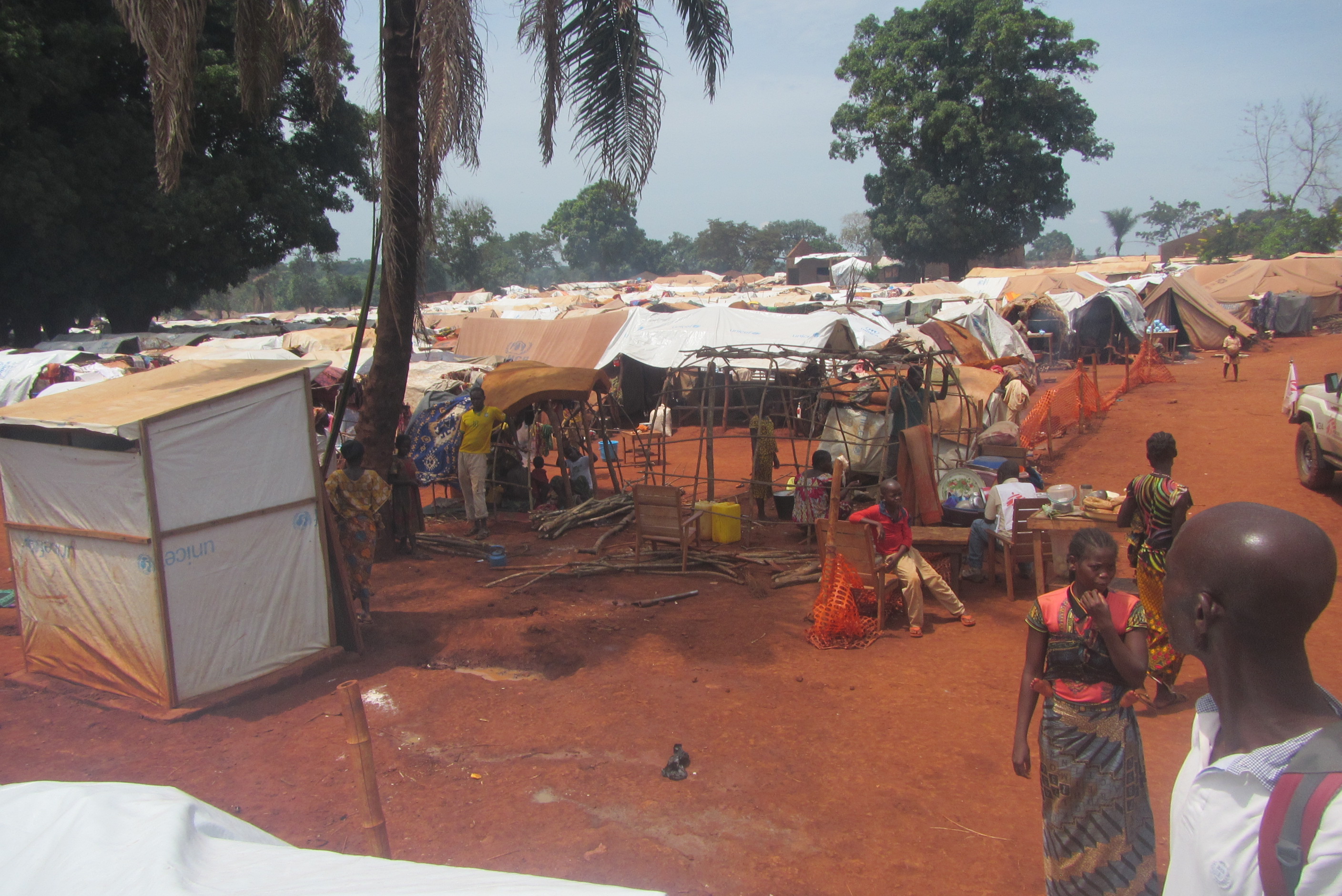
Bria, Central African Republic
Data updated Sep 3, 2026
📊 Scores
Cotton ginning historically anchored Bria's economy, with the Comouna factory processing local harvests since 1930. Today, that industry is largely defunct due to civil conflict since 2012. Government administration, humanitarian NGOs, and small-scale trading now dominate employment. Most expats here work for aid organizations or diplomatic missions; private sector jobs are scarce. Economic activity is fragile and heavily dependent on external funding and security conditions.
Rent runs $220/month for a one-bedroom in town—cheap on paper, but infrastructure is unreliable. Electricity and water are inconsistent; generators and water storage are essential. Healthcare is minimal; serious illness requires evacuation to Bangui or abroad. French is the official language; Kotto and Sango are widely spoken. Bureaucracy is opaque and slow. Security checkpoints are frequent. Internet is spotty. Most expats live in secured compounds with private amenities.
Tropical savanna climate brings heavy rain March–October and dry heat November–March. Food is basic: rice, cassava, occasional imported goods at inflated prices. Social life revolves around the small expat and NGO community; weekends mean generator-powered gatherings or trips to Bangui. Bria suits only security-cleared aid workers, diplomats, or researchers with institutional backing—not independent remote workers or retirees.
🏚️ Cost of Living
A 1BR in the center runs about $220/mo. If your income is in another currency, bank FX fees add up. A multi-currency account can cut that cost.
See low-fee transfersWe may earn a commission at no cost to you.
💰 Real Spend Reports
🛡️ Safety & Crime
(Higher is safer)
(Lower is safer)
Bria presents significant safety challenges for expats. With a Numbeo Safety Index of 25/100, the city experiences high rates of armed robbery, carjacking, and violent crime, particularly after dark. Gang activity and occasional armed group presence in the broader region create unpredictable security risks. Expats should avoid displaying wealth, limit nighttime movement, maintain low profiles, and rely on trusted local networks. The unstable political environment and limited police capacity compound concerns. This destination is suitable only for those with security training, employer-provided protection, or compelling professional reasons—not for typical remote workers or retirees seeking a relaxed retirement.
Bria has a safety index of 25/100. Petty theft and lost belongings are the most common problems for newcomers. Compare travel insurance before you go.
Compare travel insuranceWe may earn a commission at no cost to you.
🏥 Healthcare
🌤️ Climate
Best Months
Climate Notes
Bria has a tropical savanna climate with hot, dry winters (16-28°C) and extremely hot, humid summers (30-40°C), featuring a distinct rainy season from May to October that brings relief from the intense heat.
💻 Digital Nomad
Community Notes
| Name | Price/mo | Notes |
|---|---|---|
| None Available | — | Unfortunately, there are no established coworking spaces in Bria, Central African Republic, suitable for digital nomads or remote workers. Internet infrastructure and business services are extremely limited. |
Working remotely from Bria? Nomad health insurance covers you across borders, month to month.
See nomad insuranceWe may earn a commission at no cost to you.
🧳 Expat Life
Could living/working in Bria cut years off your work life?
With a 1-bedroom in the center at $88/mo, your FIRE number here might be much lower than you think.
Moving to Bria? Estimate what an international move would cost and compare mover quotes.
Estimate my move costShare This Guide
Bria won't stay this cheap forever.
Cost-of-living and visa updates for Bria and the rest of Central African Republic. Free with RA Postcards.
By submitting your email address, you will receive a free subscription to RA Postcards and special offers from Rewire Abroad and our affiliates. You can unsubscribe at any time, and we encourage you to read more about our Privacy Policy.