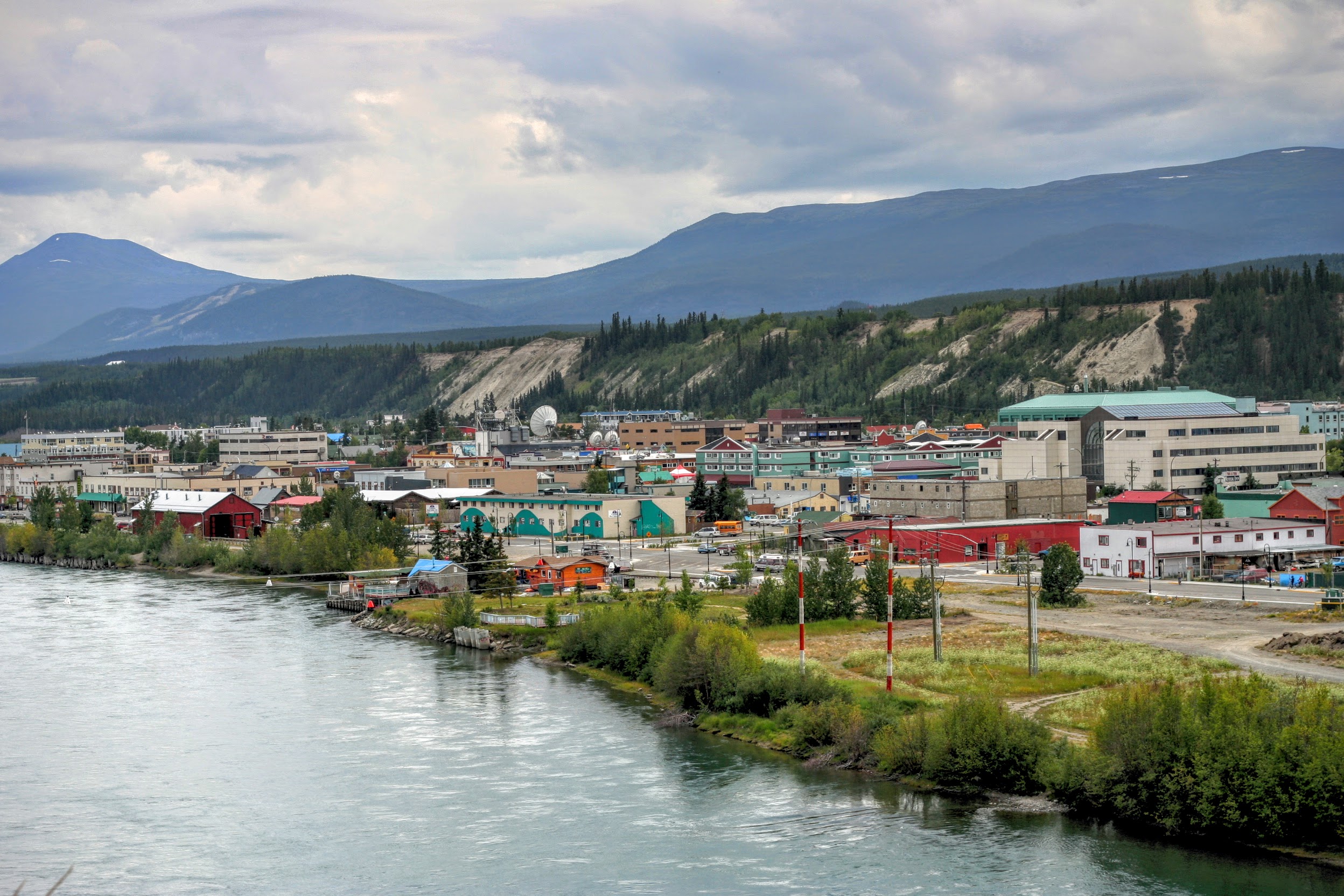
Whitehorse, Canada
Data updated Sep 29, 2026
📊 Scores
Best fit: Digital Nomad (score: 72)
Government jobs dominate Whitehorse's economy—territorial administration, federal offices, and public services employ roughly 40% of the workforce. Tourism, mining heritage, and logistics round out income sources, though private-sector opportunities are thin. Remote work is common among expats; local wages lag southern Canada by 15–20%, but government positions and seasonal tourism work pay decently. Most people here either work for the territorial government, run tourism outfits, or work remotely for southern employers.
Rent for a one-bedroom downtown runs $1,348/month—roughly double Vancouver's rate. Groceries cost 30–40% more than Toronto due to transportation. Healthcare is accessible through territorial coverage, but specialists require flights south. Winter darkness (November–January) hits hard psychologically. Bureaucracy is manageable; territorial residency requirements are straightforward. No language barrier. Internet is reliable. Your biggest friction: everything ships in, so expect delays and markups on goods.
Winters are brutal (−30°C common) but shorter than interior Alaska; summers explode with 19-hour daylight and outdoor activity. Food scene is modest—good coffee shops, mediocre restaurants, heavy reliance on imported produce. The expat community is small but tight; most are government workers, remote employees, or adventure seekers. Weekends mean hiking, fishing, northern lights chasing, or day trips to Dawson City. Whitehorse suits remote workers seeking solitude, outdoor obsessives, and people running from southern Canada's cost of living—not those craving nightlife or cultural density.
🏚️ Cost of Living
💰 Budgets and Costs
Grocery Basket
Eating Out
Utilities & Lifestyle
Housing
A 1BR in the center runs about $1347.97/mo. If your income is in another currency, bank FX fees add up. A multi-currency account can cut that cost.
See low-fee transfersWe may earn a commission at no cost to you.
💰 Real Spend Reports
🛡️ Safety & Crime
(Higher is safer)
(Lower is safer)
Whitehorse is exceptionally safe by North American standards, with violent crime rare and property crime minimal. The tight-knit community of 28,000 means most residents know their neighborhoods well. Main concerns are petty theft in downtown areas and occasional break-ins during winter months when homes sit vacant. Avoid walking alone late at night in the Old Town district, though serious incidents are uncommon. For an American expat, this is a genuinely low-risk relocation—the bigger adjustment is isolation, extreme cold, and limited services rather than safety threats.
🏥 Healthcare
🌤️ Climate
Best Months
Climate Notes
Whitehorse has a subarctic climate with extremely cold, long winters (December-March dropping to -27°C) and brief, mild summers (June-August reaching 32°C), offering dramatic seasonal contrasts and extended daylight in summer.
💻 Digital Nomad
Community Notes
| Name | Price/mo | Notes |
|---|---|---|
| NorthLight Innovation | $220 | Located in downtown Whitehorse, NorthLight Innovation offers a modern and collaborative workspace with various membership options. It's a great option for digital nomads looking for a professional environment and networking opportunities. |
| Regus Whitehorse | $300 | Regus provides a reliable and professional coworking environment in Whitehorse. With flexible terms and a recognizable brand, it's a solid choice for expats seeking a straightforward workspace solution. |
Planning to live in Whitehorse long-term? Canada Digital Nomad Visa lets remote workers live legally.
View full requirements →Working remotely from Whitehorse? Nomad health insurance covers you across borders, month to month.
See nomad insuranceWe may earn a commission at no cost to you.
🧳 Expat Life
Expat Life Notes
Whitehorse is the capital of the Yukon and offers an unparalleled wilderness lifestyle. The expat community is small but extremely welcoming and active in nature.
Pros
- ✓ Stunning natural beauty
- ✓ High wages
- ✓ Safe community
Cons
- ✗ Extremely cold winters
- ✗ Expensive groceries and housing
- ✗ Isolated location
🛂 Visa Options for Canada
Many long-stay visas require proof of health insurance. Compare international health plans before you apply.
Compare health insuranceWe may earn a commission at no cost to you.
Living on investment or passive income? Canada Super Visa (Parents & Grandparents) may be the right fit.
View full requirements →Not sure which Canada visa you qualify for?
Answer 10 questions and get a personalized match in under 2 minutes.
Could living/working in Whitehorse cut years off your work life?
With a 1-bedroom in the center at $539/mo, your FIRE number here might be much lower than you think.
Moving to Whitehorse? Estimate what an international move would cost and compare mover quotes.
Estimate my move costShare This Guide
Whitehorse won't stay this cheap forever.
Cost-of-living and visa updates for Whitehorse and the rest of Canada. Free with RA Postcards.
By submitting your email address, you will receive a free subscription to RA Postcards and special offers from Rewire Abroad and our affiliates. You can unsubscribe at any time, and we encourage you to read more about our Privacy Policy.