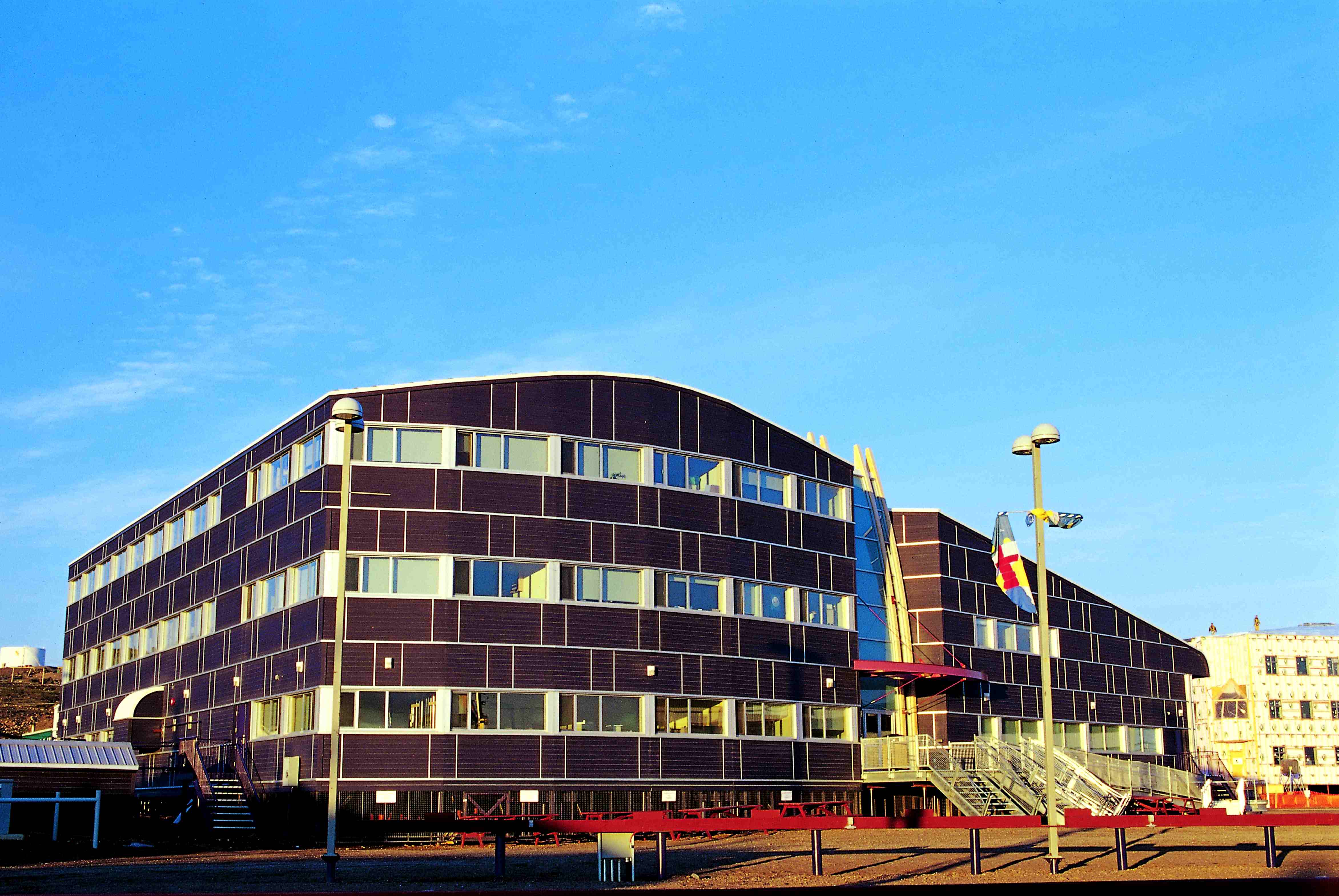
Iqaluit, NU, Canada
Data updated Sep 3, 2026
📊 Scores
Best fit: Digital Nomad (score: 52)
Government jobs dominate Iqaluit's economy—territorial administration, federal services, and public sector roles are the primary income sources. Private sector work exists but is thin: retail, hospitality, and some Arctic research contracts. Most expats and skilled workers arrive on government postings or resource-sector contracts. Self-employment is possible but hampered by isolation and a tiny local market. Expect salaries to reflect the hardship premium, but job competition is real.
Rent runs $1,735/month for a one-bedroom downtown, and that's baseline—utilities, groceries, and fuel cost 40–60% more than southern Canada because everything flies or ships in. No roads connect to the south; you fly to Ottawa daily or wait for summer sealift. Healthcare exists but serious cases require air evacuation to Yellowknife or Ottawa. French helps minimally; English dominates. Bureaucracy is standard Canadian, but permitting construction or importing goods moves slowly. Winter darkness (November–January) is real and affects mood.
Winters hit −30°C regularly; summers barely reach 15°C. Food is expensive and repetitive unless you hunt or fish. The expat community is small and transient—mostly government workers on 2–3 year postings. Weekends mean hiking, snowmobiling, Arctic wildlife tours, or Inuit cultural events. Iqaluit suits remote workers with government contracts, Arctic researchers, and people genuinely drawn to extreme isolation—not casual digital nomads.
🏚️ Cost of Living
💰 Budgets and Costs
Grocery Basket
Eating Out
Utilities & Lifestyle
Housing
A 1BR in the center runs about $1735.47/mo. If your income is in another currency, bank FX fees add up. A multi-currency account can cut that cost.
See low-fee transfersWe may earn a commission at no cost to you.
💰 Real Spend Reports
🛡️ Safety & Crime
(Higher is safer)
(Lower is safer)
Iqaluit is genuinely safe by North American standards, with low violent crime and property theft. The tight-knit community of 7,400 means most residents know each other, creating natural social accountability. Main concerns are substance abuse issues and occasional domestic incidents rather than street crime targeting outsiders. Avoid isolated areas during extreme winter darkness (polar night), and be aware that emergency services respond slower than southern Canada due to remote location. For an American expat, this is one of Canada's safest cities—the real adjustment is isolation and harsh climate, not personal security.
🏥 Healthcare
🌤️ Climate
Best Months
Climate Notes
Iqaluit has an Arctic climate with extremely cold, long winters (September to May with temperatures dropping to -41°C) and brief, cool summers (June to August around 16°C), high humidity year-round, and extended periods of darkness in winter and continuous daylight in summer.
💻 Digital Nomad
Community Notes
| Name | Price/mo | Notes |
|---|---|---|
| Iqaluit Co-working Space | $200 | A community-focused coworking space in the heart of Iqaluit, offering a collaborative environment for freelancers and remote workers. It provides essential amenities like Wi-Fi, printing, and meeting rooms, fostering a productive atmosphere for expats. |
| Regus Iqaluit | $350 | Located in a central business area, Regus offers professional coworking spaces with various membership options. It provides reliable infrastructure, meeting rooms, and administrative support, making it suitable for expats seeking a structured work environment. |
Planning to live in Iqaluit, NU long-term? Canada Digital Nomad Visa lets remote workers live legally.
View full requirements →Working remotely from Iqaluit, NU? Nomad health insurance covers you across borders, month to month.
See nomad insuranceWe may earn a commission at no cost to you.
🧳 Expat Life
🛂 Visa Options for Canada
Many long-stay visas require proof of health insurance. Compare international health plans before you apply.
Compare health insuranceWe may earn a commission at no cost to you.
Living on investment or passive income? Canada Super Visa (Parents & Grandparents) may be the right fit.
View full requirements →Not sure which Canada visa you qualify for?
Answer 10 questions and get a personalized match in under 2 minutes.
Could living/working in Iqaluit, NU cut years off your work life?
With a 1-bedroom in the center at $694/mo, your FIRE number here might be much lower than you think.
Moving to Iqaluit, NU? Estimate what an international move would cost and compare mover quotes.
Estimate my move costShare This Guide
Iqaluit, NU won't stay this cheap forever.
Cost-of-living and visa updates for Iqaluit, NU and the rest of Canada. Free with RA Postcards.
By submitting your email address, you will receive a free subscription to RA Postcards and special offers from Rewire Abroad and our affiliates. You can unsubscribe at any time, and we encourage you to read more about our Privacy Policy.