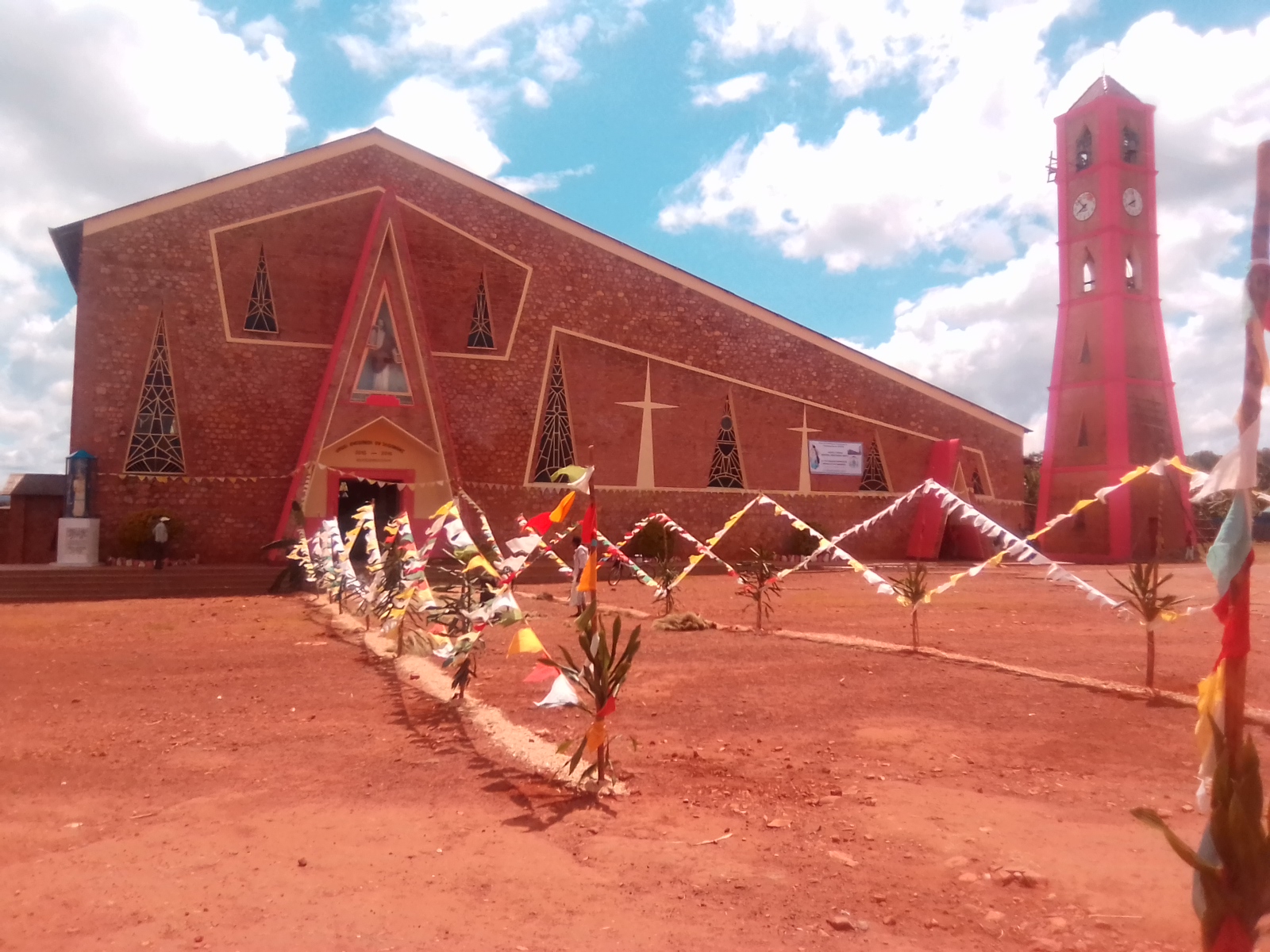
Gitega, Burundi
Data updated Sep 3, 2026
📊 Scores
Government relocation is reshaping Gitega's economy. Since 2019, ministries have been moving from Bujumbura, creating administrative jobs and spurring service-sector growth—hotels, restaurants, transport services. The Polytechnic University (established 2014) trains technicians for infrastructure projects. Most expats here work for NGOs, development organizations, or government contracts. Formal private-sector employment is thin; self-employment and remote work are more realistic. The economy remains fragile and heavily aid-dependent.
Rent runs $180/month for a one-bedroom city center, but quality varies sharply—inspect plumbing and electricity before signing. Transport is basic: minibuses connect to Bujumbura (62km, ~2 hours) and regional towns; no taxis or ride-apps. Healthcare is limited; serious issues require Bujumbura or evacuation. French and Kirundi are official; English is rare outside NGO circles. Bureaucracy is slow and opaque; residency permits require patience and local fixers. Water and power outages are routine.
Gitega sits on a cool highland plateau (1,400m elevation) with green hills and moderate temperatures year-round. Food is basic—cassava, beans, rice, occasional imported goods at inflated prices. The expat community is tiny and transient, mostly aid workers. Weekends mean hiking near Ruvubu National Park, visiting the National Museum, or driving to Bujumbura for restaurants and nightlife. This city suits only those with a specific job posting, deep NGO ties, or genuine interest in Burundi's political transition.
🏚️ Cost of Living
💰 Budgets and Costs
Grocery Basket
Eating Out
Utilities & Lifestyle
Housing
A 1BR in the center runs about $180/mo. If your income is in another currency, bank FX fees add up. A multi-currency account can cut that cost.
See low-fee transfersWe may earn a commission at no cost to you.
💰 Real Spend Reports
🛡️ Safety & Crime
(Higher is safer)
(Lower is safer)
Gitega presents moderate safety challenges for expats. While violent crime against foreigners is uncommon, petty theft, armed robbery, and carjacking occur, particularly after dark and in less developed areas. Gang activity and occasional civil unrest related to political tensions pose underlying risks. Expats should avoid displaying wealth, limit nighttime movement, use trusted transportation, and maintain low profiles. The city lacks robust infrastructure and emergency services. This is not an ideal choice for those seeking a relaxed retirement; it requires security awareness and acceptance of genuine constraints on freedom of movement.
Gitega has a safety index of 45/100. Petty theft and lost belongings are the most common problems for newcomers. Compare travel insurance before you go.
Compare travel insuranceWe may earn a commission at no cost to you.
🏥 Healthcare
🌤️ Climate
Best Months
Climate Notes
Gitega has a tropical highland climate with warm, humid conditions year-round (11-30°C), two rainy seasons (March-May and October-December), and relatively stable temperatures due to its elevation.
💻 Digital Nomad
Community Notes
| Name | Price/mo | Notes |
|---|---|---|
| Impact Hub Burundi (Likely in Bujumbura, but serves the region) | $75 | While technically based in Bujumbura, Impact Hub's network and resources are relevant for remote workers in Gitega. They offer a collaborative environment, workshops, and networking opportunities, making it a valuable resource for expats even with occasional travel to Bujumbura. |
| Centre d'Incubation des Jeunes Entrepreneurs (CIJE) (Likely in Bujumbura, but serves the region) | $50 | Similar to Impact Hub, CIJE is likely based in Bujumbura but provides support and resources for entrepreneurs and remote workers throughout Burundi. It offers a more locally-focused environment with potential for collaboration with Burundian startups and businesses. |
Working remotely from Gitega? Nomad health insurance covers you across borders, month to month.
See nomad insuranceWe may earn a commission at no cost to you.
🧳 Expat Life
Could living/working in Gitega cut years off your work life?
With a 1-bedroom in the center at $72/mo, your FIRE number here might be much lower than you think.
Moving to Gitega? Estimate what an international move would cost and compare mover quotes.
Estimate my move costShare This Guide
Gitega won't stay this cheap forever.
Cost-of-living and visa updates for Gitega and the rest of Burundi. Free with RA Postcards.
By submitting your email address, you will receive a free subscription to RA Postcards and special offers from Rewire Abroad and our affiliates. You can unsubscribe at any time, and we encourage you to read more about our Privacy Policy.