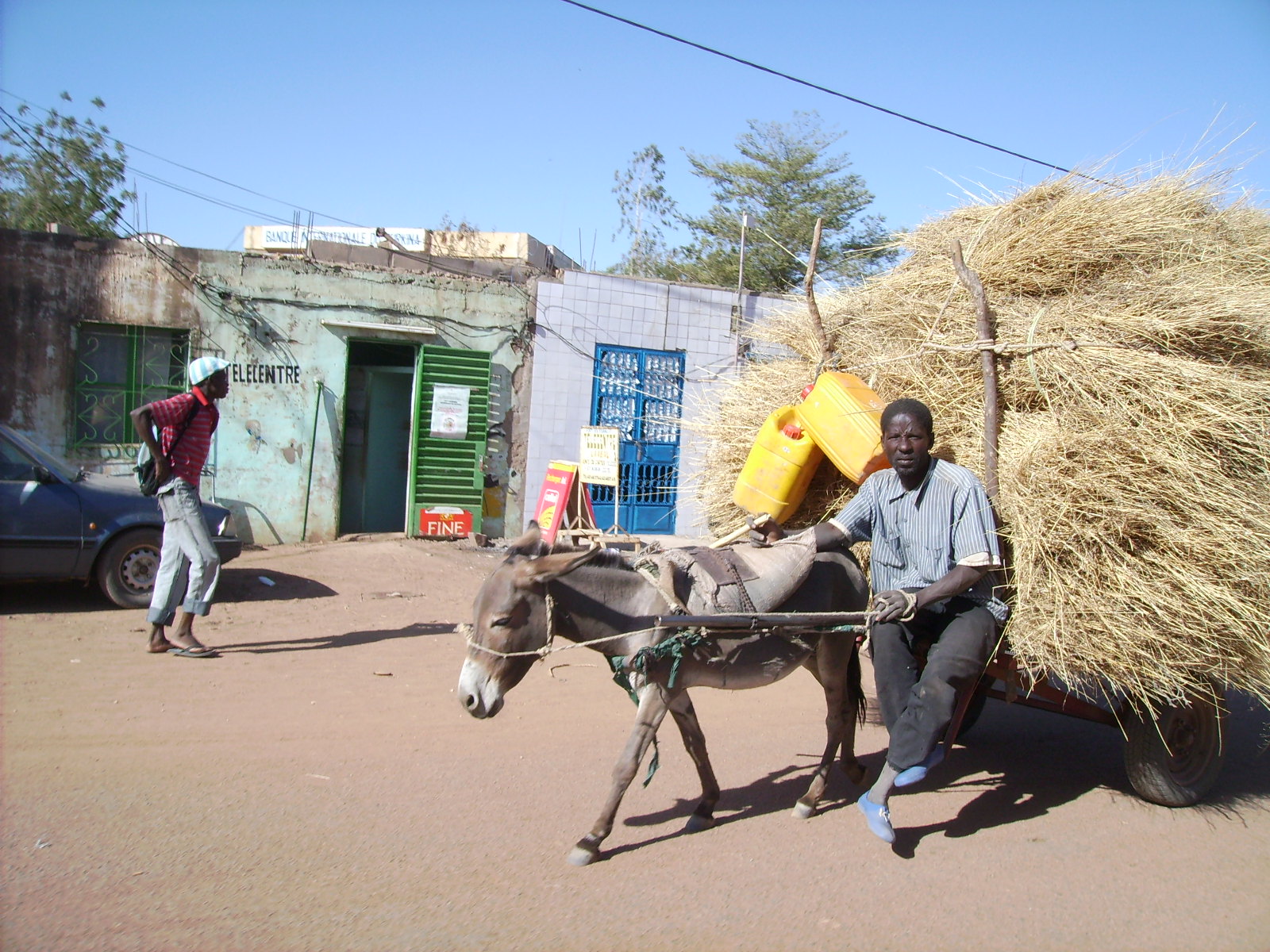
Dori, Burkina Faso
Data updated Sep 3, 2026
📊 Scores
Dori's economy revolves almost entirely around livestock—cattle, goats, sheep traded through regional markets that draw merchants across the Sahel. There's minimal formal employment; most income comes from herding, trading, or small commerce. The 2004 manganese mining proposal never materialized into real jobs. If you're not involved in pastoralism or regional trade, employment options are essentially nonexistent. Remote work is your only realistic income path here.
Rent runs $80–150/month for a basic house; water and electricity are unreliable and expensive when available. No public transport—you'll need a motorcycle or car. Healthcare is basic; serious illness means traveling to Ouagadougou (250km south). French is official but Fula dominates; English is rare. Bureaucracy is slow and opaque. Internet is patchy. Expect constant friction with infrastructure; this isn't a convenience-optimized place.
Heat is punishing—47°C+ in dry season (March–May). Food is millet-based; fresh produce is seasonal and limited. The expat community is tiny, mostly NGO workers and diplomats. Weekends mean exploring livestock markets, visiting the Emir's palace, or day trips to nearby pastoral villages. Dori suits only those with specific work (NGO, research, mining development) or extreme heat tolerance and genuine interest in Sahel pastoral culture.
🏚️ Cost of Living
A 1BR in the center runs about $273.09/mo. If your income is in another currency, bank FX fees add up. A multi-currency account can cut that cost.
See low-fee transfersWe may earn a commission at no cost to you.
💰 Real Spend Reports
🛡️ Safety & Crime
(Higher is safer)
(Lower is safer)
Dori presents moderate safety challenges typical of Sahel-region cities. While petty theft and opportunistic crime occur, violent crime against expats is uncommon. Primary concerns include armed group activity in surrounding regions (though Dori itself is relatively stable), occasional civil unrest, and limited police resources. Avoid displaying wealth, secure valuables, and stay informed on regional security updates. The city is manageable for expats with situational awareness, but geopolitical instability in Burkina Faso warrants serious consideration before relocating.
Dori has a safety index of 58/100. Petty theft and lost belongings are the most common problems for newcomers. Compare travel insurance before you go.
Compare travel insuranceWe may earn a commission at no cost to you.
🏥 Healthcare
🌤️ Climate
Best Months
Climate Notes
Dori has a hot semi-arid climate with scorching summers (43°C peaks) and mild winters, featuring a brief rainy season (June-September) and long dry season with low humidity (33% average), making it challenging for expats unaccustomed to extreme heat.
💻 Digital Nomad
Community Notes
| Name | Price/mo | Notes |
|---|---|---|
| Centre de Ressources Numériques de Dori | $25 | This government-supported digital resource center offers basic internet access and workspace. It's a budget-friendly option in the city center, suitable for digital nomads who prioritize affordability and community connection over high-end amenities. |
| Espace de Coworking - Maison de la Culture de Dori | $30 | Located within the Maison de la Culture, this coworking space provides a cultural and creative atmosphere. It's a good option for those seeking a local experience and a connection to the arts scene in Dori. |
Working remotely from Dori? Nomad health insurance covers you across borders, month to month.
See nomad insuranceWe may earn a commission at no cost to you.
🧳 Expat Life
Could living/working in Dori cut years off your work life?
With a 1-bedroom in the center at $109/mo, your FIRE number here might be much lower than you think.
Moving to Dori? Estimate what an international move would cost and compare mover quotes.
Estimate my move costShare This Guide
Dori won't stay this cheap forever.
Cost-of-living and visa updates for Dori and the rest of Burkina Faso. Free with RA Postcards.
By submitting your email address, you will receive a free subscription to RA Postcards and special offers from Rewire Abroad and our affiliates. You can unsubscribe at any time, and we encourage you to read more about our Privacy Policy.