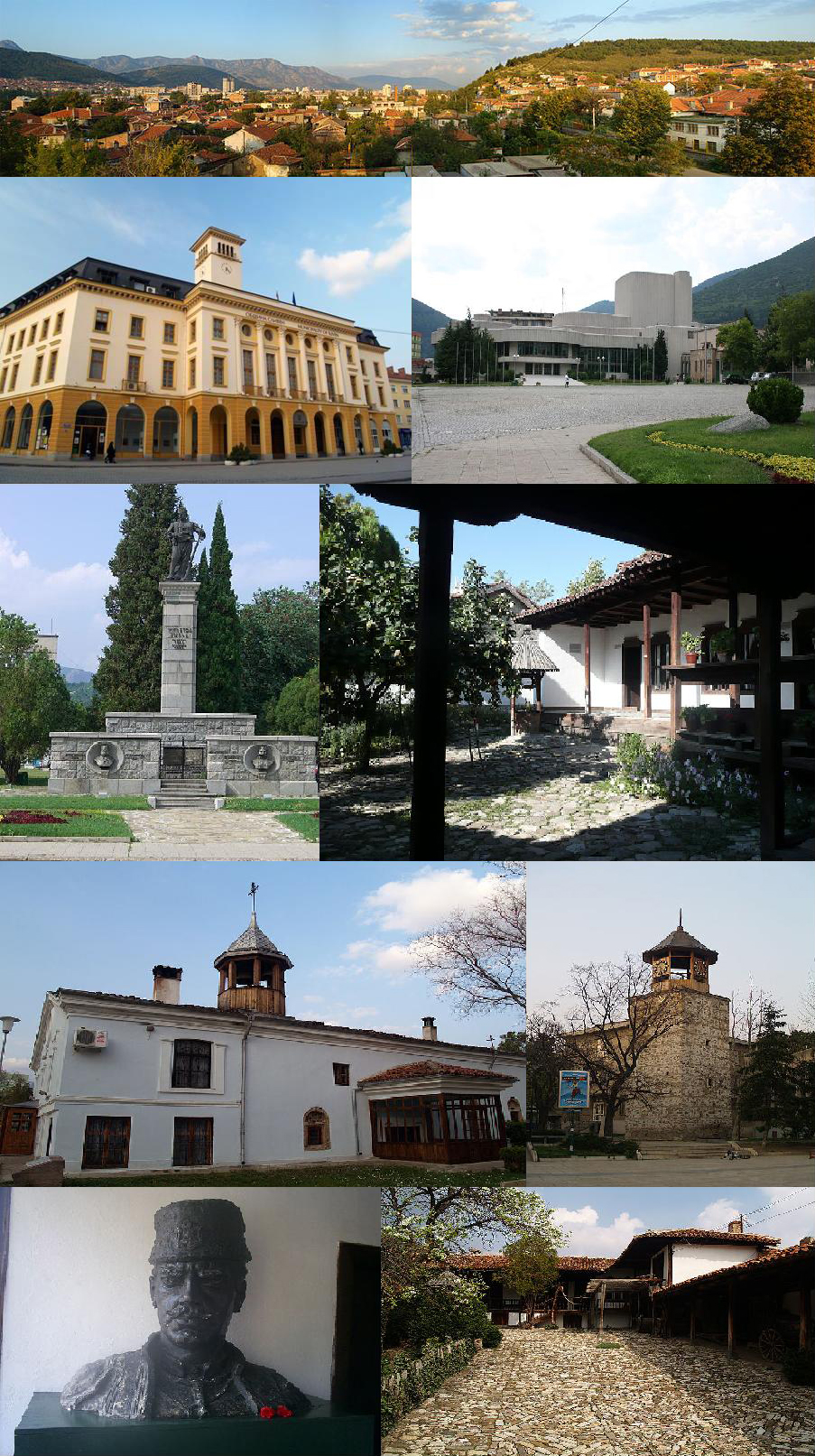
Sliven, Bulgaria
Data updated Sep 3, 2026
📊 Scores
Textiles built Sliven and still dominate its economy, though the sector has contracted since the 1990s. Today, manufacturing remains the backbone—factories produce clothing and industrial goods for export—but the city has diversified into agriculture (peach orchards nearby), tourism, and renewable energy projects capitalizing on the Bora wind. Most expats here work remotely; local employment is limited unless you speak Bulgarian fluently and have manufacturing or agricultural connections. The port city of Burgas (100 km away) offers more job options if you're willing to commute.
A one-bedroom apartment in the city center rents for $310/month; outside the center, expect $200–250. Public transport is cheap (€0.40 per ride) but infrequent and unreliable. Healthcare is functional but basic—serious issues require travel to Sofia or Burgas. Bulgarian bureaucracy is slow; residency permits take 2–3 months and require patience navigating Cyrillic forms. English is rare outside tourism zones; learning Bulgarian isn't optional if you plan to stay beyond six months. Winter heating costs can spike due to the Bora wind.
Summers are warm and dry; winters mild but windy. Food is fresh and cheap at local markets—excellent produce, yogurt, and wine. The expat community is tiny (mostly remote workers), so don't expect a built-in social scene. Weekends revolve around hiking Sinite Kamani Nature Park, visiting mineral springs, or day-tripping to Burgas or the Turkish border. Sliven suits budget-conscious remote workers seeking solitude and nature, not those needing vibrant nightlife or a large expat network.
🏚️ Cost of Living
💰 Budgets and Costs
Grocery Basket
Eating Out
Utilities & Lifestyle
Housing
A 1BR in the center runs about $235.43/mo. If your income is in another currency, bank FX fees add up. A multi-currency account can cut that cost.
See low-fee transfersWe may earn a commission at no cost to you.
💰 Real Spend Reports
🛡️ Safety & Crime
(Higher is safer)
(Lower is safer)
Sliven is a relatively safe mid-sized Bulgarian city with a strong safety profile for expats. Petty theft and pickpocketing occur occasionally in crowded areas and public transport, but violent crime is uncommon. The main concerns are typical Eastern European issues: occasional scams targeting foreigners, uneven police responsiveness, and poorly lit streets in peripheral neighborhoods after dark. The city center and residential areas where expats typically settle are secure. For an American accustomed to major U.S. cities, Sliven feels noticeably safer day-to-day, though standard expat precautions—avoiding displays of wealth, staying aware late at night—remain sensible. No significant geopolitical risks affect daily life here.
🏥 Healthcare
🌤️ Climate
Best Months
Climate Notes
Sliven has a continental climate with hot, dry summers (38°C peaks) and cold winters (-7°C lows), offering distinct seasons ideal for those seeking temperature variety, with moderate humidity at 68% year-round.
💻 Digital Nomad
Community Notes
| Name | Price/mo | Notes |
|---|---|---|
| Beehive Co-working Space | $60 | A popular independent coworking space in the city center, Beehive offers a friendly atmosphere and essential amenities like fast internet and printing. It's a good option for digital nomads looking for a local vibe and community. |
| Business Center Sliven | $75 | Located near the city center, Business Center Sliven provides a professional environment with various office solutions, including coworking spaces. It's suitable for those needing a more formal setting and access to meeting rooms. |
Planning to live in Sliven long-term? Bulgaria Digital Nomad Visa lets remote workers live legally with a minimum income of $5,709/month.
View full requirements →Working remotely from Sliven? Nomad health insurance covers you across borders, month to month.
See nomad insuranceWe may earn a commission at no cost to you.
🧳 Expat Life
Expat Life Notes
Trade and industrial town. No international social infrastructure.
Pros
- ✓ Inexpensive
- ✓ Authentic
Cons
- ✗ Isolation
- ✗ No amenities
- ✗ Language barrier
🛂 Visa Options for Bulgaria
Many long-stay visas require proof of health insurance. Compare international health plans before you apply.
Compare health insuranceWe may earn a commission at no cost to you.
Earning over $5,709/mo? You may qualify for a Bulgaria visa.
Answer 10 questions and get a personalized match in under 2 minutes.
Could living/working in Sliven cut years off your work life?
With a 1-bedroom in the center at $141/mo, your FIRE number here might be much lower than you think.
Moving to Sliven? Estimate what an international move would cost and compare mover quotes.
Estimate my move costShare This Guide
Sliven won't stay this cheap forever.
Cost-of-living and visa updates for Sliven and the rest of Bulgaria. Free with RA Postcards.
By submitting your email address, you will receive a free subscription to RA Postcards and special offers from Rewire Abroad and our affiliates. You can unsubscribe at any time, and we encourage you to read more about our Privacy Policy.