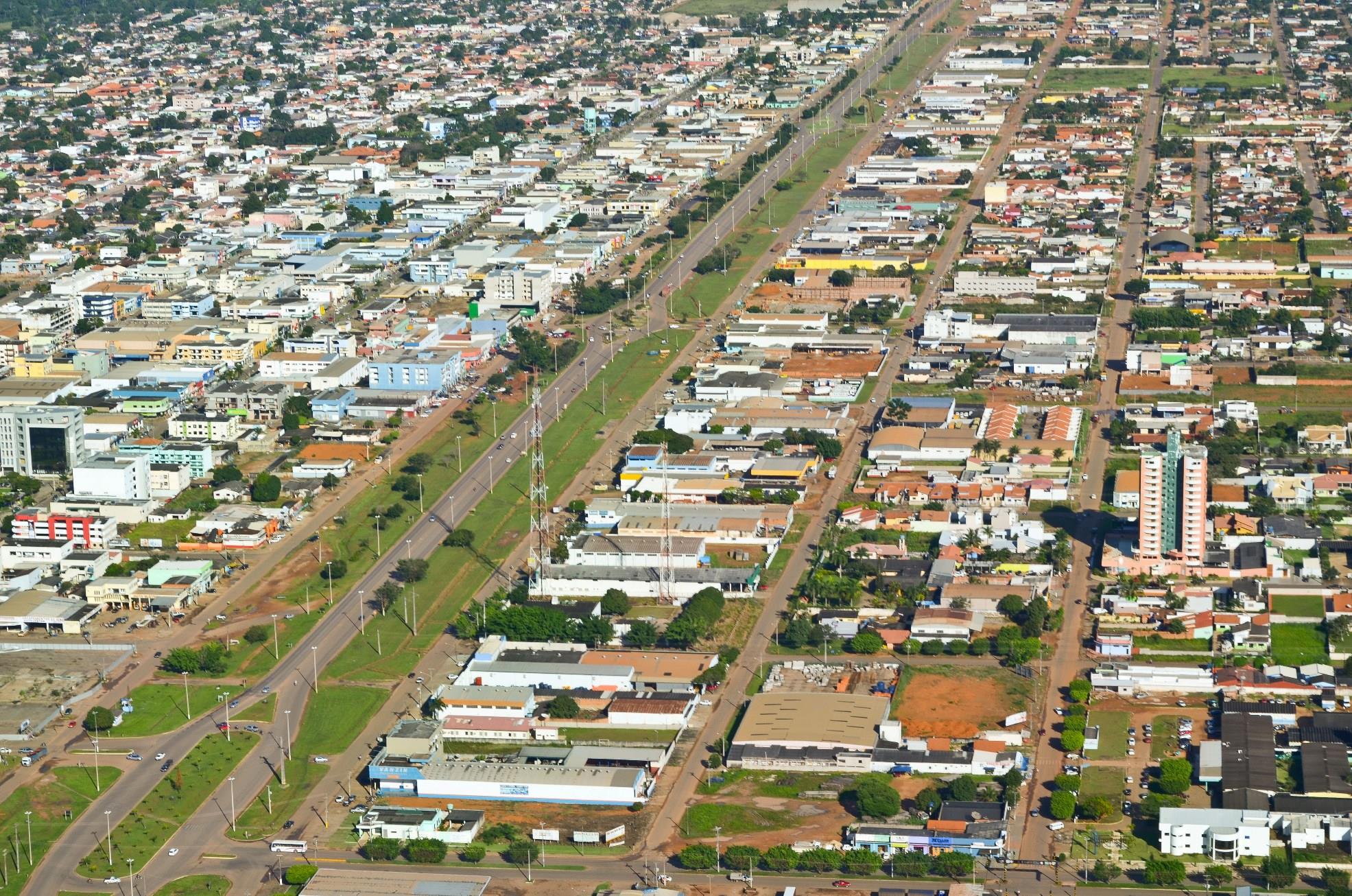
Vilhena, Brazil
Data updated Sep 29, 2026
📊 Scores
Best fit: FIRE / Geoarbitrage (score: 81)
Vilhena's economy runs on cattle ranching, timber, and agriculture—sawmills have anchored the region since the 1970s. The Transoceanic Road (completed 2010) now connects directly to Peru, Bolivia, and Chile, making export logistics faster and attracting agribusiness investment. GDP per capita sits around $6,000, well below Brazil's national average, but the city has Rondônia's highest HDI (0.771). Work here means ranching, forestry operations, or small business; remote work is viable if you have reliable internet.
Rent for a one-bedroom in the center runs $122/month—genuinely cheap. Healthcare exists but serious cases require travel to Porto Velho (700 km) or Cuiabá (730 km); expats typically use private clinics or fly out. Azul Airlines flies daily to Cuiabá. Portuguese is essential; English is rare outside tourism. Bureaucracy for residency follows standard Brazilian rules: straightforward but slow. The elevation (615m) keeps it cooler than surrounding lowlands, which helps.
Summers (October–April) are hot and humid; winters (May–September) drop to 12–16°C with actual relief. Food is meat-heavy and regional; supermarkets stock basics but specialty items require ordering from larger cities. The expat community is tiny—mostly agribusiness workers and their families, not digital nomads. Weekends revolve around outdoor activities: fishing, hiking, or driving to natural reserves. This suits people seeking low cost and agricultural/forestry work, not those wanting urban culture or a large expat social scene.
🏚️ Cost of Living
💰 Budgets and Costs
Grocery Basket
Eating Out
Utilities & Lifestyle
Housing
A 1BR in the center runs about $186.99/mo. If your income is in another currency, bank FX fees add up. A multi-currency account can cut that cost.
See low-fee transfersWe may earn a commission at no cost to you.
💰 Real Spend Reports
🛡️ Safety & Crime
(Higher is safer)
(Lower is safer)
Vilhena presents moderate safety concerns typical of smaller Brazilian cities in Rondônia state. While violent crime rates are lower than major metros, property theft, burglary, and armed robbery remain real risks, particularly in peripheral neighborhoods. Avoid displaying valuables, use registered taxis or ride-apps, and stay alert after dark. The city lacks the infrastructure and police presence of larger centers, making response times slower. For expats, the main vulnerabilities are opportunistic theft and scams targeting foreigners unfamiliar with local norms. It's livable with sensible precautions, but not a top-tier safe destination—suitable for those comfortable with moderate vigilance.
Vilhena has a safety index of 45/100. Petty theft and lost belongings are the most common problems for newcomers. Compare travel insurance before you go.
Compare travel insuranceWe may earn a commission at no cost to you.
🏥 Healthcare
🌤️ Climate
Best Months
Climate Notes
Vilhena has a tropical savanna climate with hot, humid summers (September-May) reaching 36°C and mild winters (June-August) dropping to 8°C, featuring a distinct dry season ideal for outdoor activities.
💻 Digital Nomad
Community Notes
| Name | Price/mo | Notes |
|---|---|---|
| Escritório Inteligente Vilhena | $60 | A modern coworking space located in Centro, offering a professional environment with private offices and shared workspaces. It's a good option for those seeking a more structured and quiet work setting. |
| Coworking Vilhena | $50 | Located in Jardim Eldorado, this coworking space provides a relaxed atmosphere with various desk options and meeting rooms. It's suitable for digital nomads looking for a community-focused environment. |
Planning to live in Vilhena long-term? Brazil Digital Nomad Visa lets remote workers live legally with a minimum income of $1,500/month.
View full requirements →Working remotely from Vilhena? Nomad health insurance covers you across borders, month to month.
See nomad insuranceWe may earn a commission at no cost to you.
🧳 Expat Life
Expat Life Notes
Vilhena is an agricultural hub in Rondônia. It is safer and more organized than many Amazon-region cities but has almost no expat infrastructure.
Pros
- ✓ Safe compared to capitals
- ✓ Strong agribusiness economy
- ✓ Clean layout
Cons
- ✗ Very isolated
- ✗ No English spoken
- ✗ Extremely hot
🛂 Visa Options for Brazil
Many long-stay visas require proof of health insurance. Compare international health plans before you apply.
Compare health insuranceWe may earn a commission at no cost to you.
Earning over $1,500/mo? You may qualify for a Brazil visa.
Answer 10 questions and get a personalized match in under 2 minutes.
Could living/working in Vilhena cut years off your work life?
With a 1-bedroom in the center at $75/mo, your FIRE number here might be much lower than you think.
Estimate the cost of moving to Vilhena, Brazil
Get a free moving cost estimate for moving to Vilhena, Brazil. Takes 10 seconds.
How much are you shipping?
When are you moving?
Powered by Sirelo. Free quotes from verified international movers.
Share This Guide
Vilhena won't stay this cheap forever.
Cost-of-living and visa updates for Vilhena and the rest of Brazil. Free with RA Postcards.
By submitting your email address, you will receive a free subscription to RA Postcards and special offers from Rewire Abroad and our affiliates. You can unsubscribe at any time, and we encourage you to read more about our Privacy Policy.