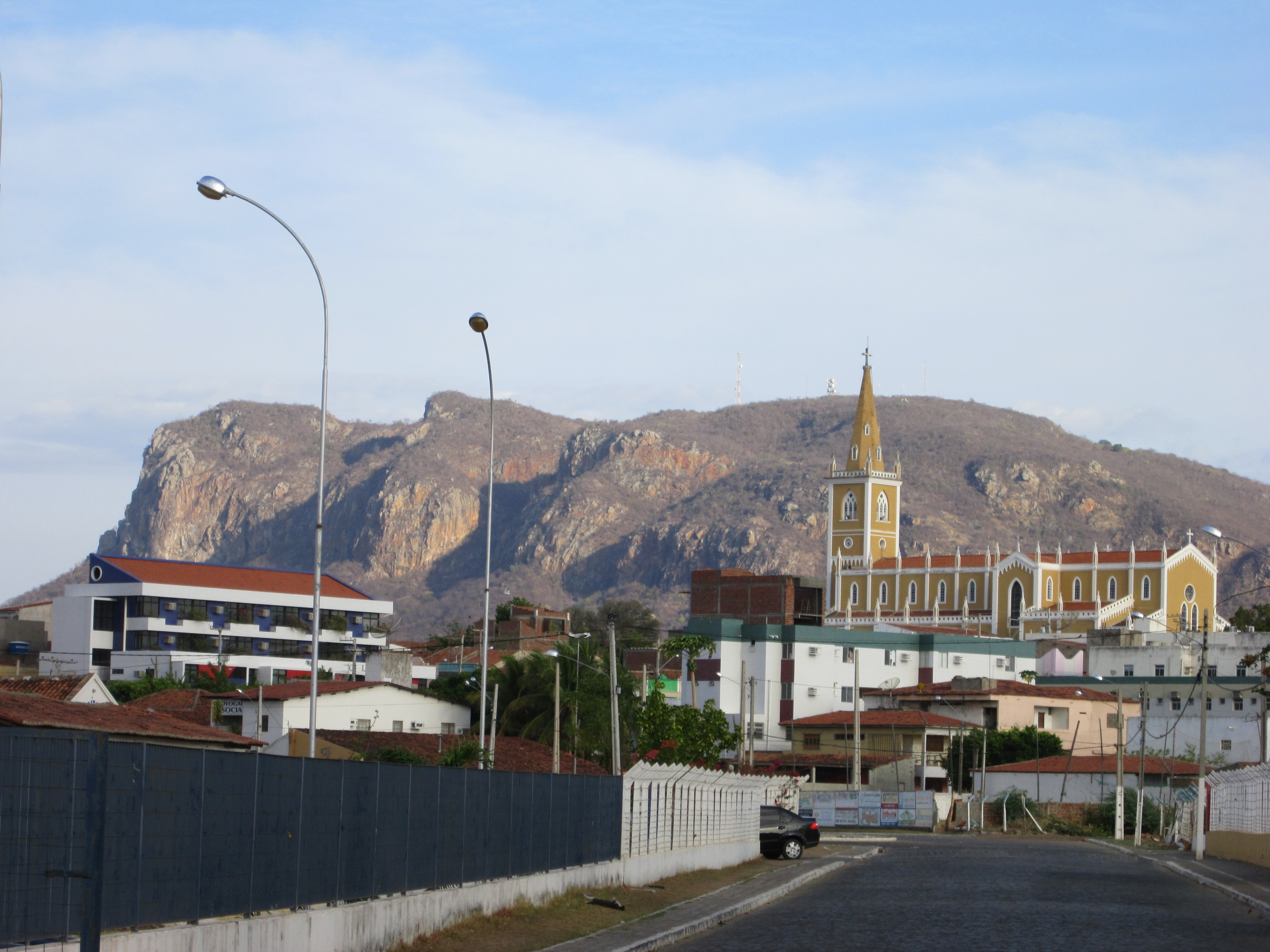
Serra Talhada, Brazil
Data updated Sep 29, 2026
📊 Scores
Best fit: FIRE / Geoarbitrage (score: 78)
Serra Talhada's economy revolves around cattle ranching, subsistence agriculture, and small retail—typical of Brazil's interior sertão. Most locals work in livestock, cotton farming, or informal commerce; formal employment is scarce. There's no tech sector, no multinational offices, no remote-work infrastructure. If you need a salary job, you'll struggle; this is a place for people with passive income, freelance clients elsewhere, or retirement funds.
Rent runs $250/month for a one-bedroom downtown, utilities another $40–60. Transport is basic: local buses, taxis, or a motorcycle—no metro, no ride-sharing apps. Healthcare exists but is underfunded; serious issues mean driving 2+ hours to Recife. Portuguese is essential; English is nearly nonexistent. Bureaucracy is standard Brazilian friction: opening a bank account takes patience, residency paperwork is slow. The airport 18km away has zero commercial flights—you fly in/out via Recife, 250km away.
Summers are brutal (28°C+, low humidity, dust storms), winters mild. Food is regional and repetitive: rice, beans, goat meat, cassava. Social life centers on family, church, and local bars; the expat community is essentially zero. Weekends mean exploring nearby sertão landscapes or day-tripping to Recife. Serra Talhada suits only retirees with low budgets, extreme patience for isolation, and zero need for career growth or English-speaking peers.
🏚️ Cost of Living
💰 Budgets and Costs
Grocery Basket
Eating Out
Utilities & Lifestyle
Housing
A 1BR in the center runs about $250/mo. If your income is in another currency, bank FX fees add up. A multi-currency account can cut that cost.
See low-fee transfersWe may earn a commission at no cost to you.
💰 Real Spend Reports
🛡️ Safety & Crime
(Higher is safer)
(Lower is safer)
Serra Talhada presents moderate safety challenges typical of interior Brazilian cities. While violent crime rates are lower than major metros, petty theft, robbery, and vehicle theft occur regularly. Avoid displaying valuables, walking alone after dark, and unfamiliar neighborhoods. The city center is generally safer during daylight. Gang activity exists but typically doesn't target expats directly. For a 30-65 American, this requires standard precautions—not paranoia, but genuine vigilance. It's livable for those comfortable with Brazilian urban realities, though not ideal for those seeking low-crime retirement destinations.
Serra Talhada has a safety index of 55/100. Petty theft and lost belongings are the most common problems for newcomers. Compare travel insurance before you go.
Compare travel insuranceWe may earn a commission at no cost to you.
🏥 Healthcare
🌤️ Climate
Best Months
Climate Notes
Serra Talhada has a semi-arid tropical climate with hot, dry summers (39°C peaks) and mild winters (17°C lows), featuring a concentrated rainy season from December to March and very low precipitation the rest of the year.
💻 Digital Nomad
Community Notes
| Name | Price/mo | Notes |
|---|---|---|
| Escritório Virtual Serra Talhada | $40 | Offers virtual office services and coworking spaces. Located in the Centro neighborhood, it provides a professional environment with basic amenities suitable for remote workers seeking a cost-effective option. |
| Impact Hub Caruaru (Likely the closest Impact Hub) | $60 | While technically in Caruaru (a larger city nearby), it's the closest Impact Hub and a good option if you're willing to travel a bit. Offers a collaborative environment, events, and a focus on social impact, appealing to globally-minded remote workers. |
Planning to live in Serra Talhada long-term? Brazil Digital Nomad Visa lets remote workers live legally with a minimum income of $1,500/month.
View full requirements →Working remotely from Serra Talhada? Nomad health insurance covers you across borders, month to month.
See nomad insuranceWe may earn a commission at no cost to you.
🧳 Expat Life
Expat Life Notes
Serra Talhada is an interior city in Pernambuco. Life here is strictly local with no international infrastructure.
Pros
- ✓ Regional hub for services
- ✓ Low costs
Cons
- ✗ Arid heat
- ✗ Isolation
- ✗ No English spoken
🛂 Visa Options for Brazil
Many long-stay visas require proof of health insurance. Compare international health plans before you apply.
Compare health insuranceWe may earn a commission at no cost to you.
Earning over $1,500/mo? You may qualify for a Brazil visa.
Answer 10 questions and get a personalized match in under 2 minutes.
Could living/working in Serra Talhada cut years off your work life?
With a 1-bedroom in the center at $150/mo, your FIRE number here might be much lower than you think.
Estimate the cost of moving to Serra Talhada, Brazil
Get a free moving cost estimate for moving to Serra Talhada, Brazil. Takes 10 seconds.
How much are you shipping?
When are you moving?
Powered by Sirelo. Free quotes from verified international movers.
Share This Guide
Serra Talhada won't stay this cheap forever.
Cost-of-living and visa updates for Serra Talhada and the rest of Brazil. Free with RA Postcards.
By submitting your email address, you will receive a free subscription to RA Postcards and special offers from Rewire Abroad and our affiliates. You can unsubscribe at any time, and we encourage you to read more about our Privacy Policy.