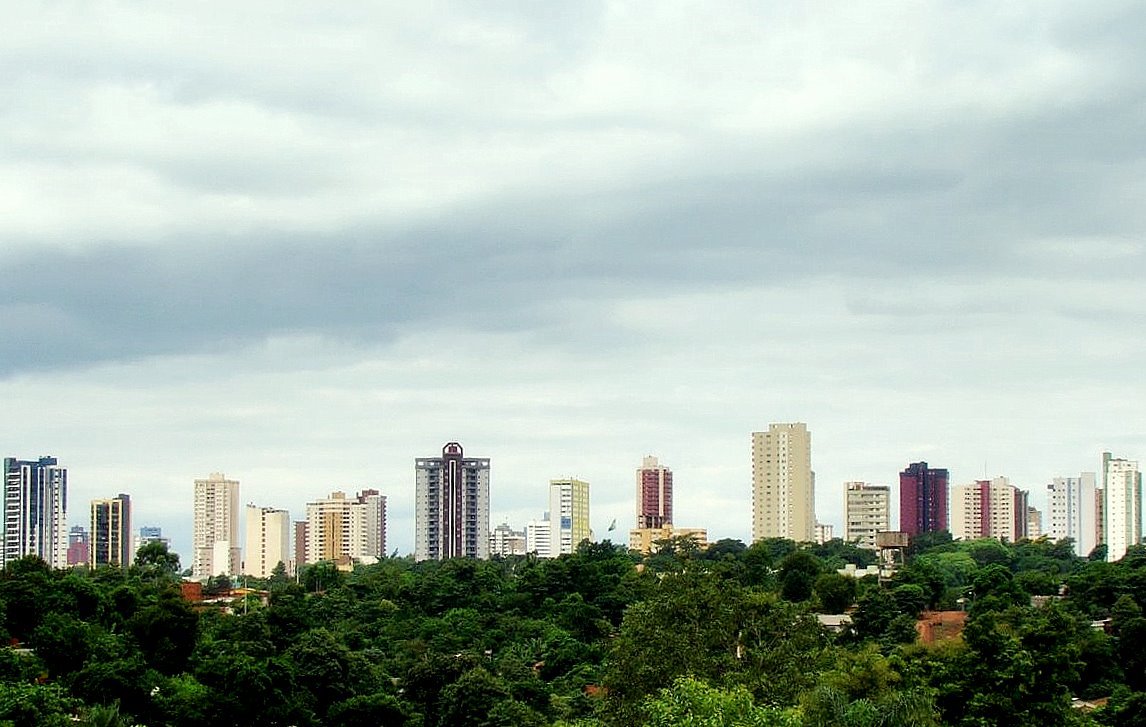
Quedas do Iguaçu, Brazil
Data updated Sep 29, 2026
📊 Scores
Best fit: FIRE / Geoarbitrage (score: 81)
Tourism drives everything here, with the city pulling in millions annually to see Iguazu Falls — Brazil's second-biggest international draw after Rio. The massive Itaipu Dam employs thousands in engineering and operations roles, generating 15% of Brazil's power. Cross-border trade with Argentina and Paraguay creates opportunities in logistics, retail, and services, though most jobs cater to the constant stream of visitors. If you're not in hospitality, dam operations, or cross-border commerce, pickings get slim fast.
One-bedroom apartments in the center run $250/month, but tourism inflates everything else — expect to pay Rio prices for groceries and dining out. The tri-border location means decent bus connections to Curitiba (650km) and easy hops to Argentina and Paraguay, though you'll need Portuguese for any serious bureaucracy. Healthcare is standard Brazilian public system plus some private options serving the international crowd. The safety index of 55 reflects typical mid-sized Brazilian city challenges.
Hot, humid summers hit 26°C with frequent thunderstorms, while mild 15°C winters offer relief from the subtropical steam bath. The food scene mixes Brazilian staples with Lebanese, Italian, and Paraguayan influences thanks to 80+ nationalities calling this home. Weekends mean waterfall hikes, dam tours, or quick trips across borders for shopping and nightlife. This works for location-independent workers who want international flair without São Paulo chaos, but the tourist economy makes everything pricier than inland Brazil.
🏚️ Cost of Living
💰 Budgets and Costs
Grocery Basket
Eating Out
Utilities & Lifestyle
Housing
A 1BR in the center runs about $250/mo. If your income is in another currency, bank FX fees add up. A multi-currency account can cut that cost.
See low-fee transfersWe may earn a commission at no cost to you.
💰 Real Spend Reports
🛡️ Safety & Crime
(Higher is safer)
(Lower is safer)
Foz do Iguaçu is moderately safe for expats, with a security profile better than many Brazilian cities but requiring standard precautions. Petty theft, pickpocketing, and vehicle break-ins are the primary concerns, particularly in downtown and near tourist areas. Avoid displaying valuables, use registered taxis or ride-sharing apps, and stay out of peripheral neighborhoods after dark. The tri-border region (Brazil-Paraguay-Argentina) has some smuggling activity, but this rarely affects residents in established neighborhoods. Overall, it's a viable option for remote workers and retirees who maintain situational awareness and follow local safety norms.
Quedas do Iguaçu has a safety index of 55/100. Petty theft and lost belongings are the most common problems for newcomers. Compare travel insurance before you go.
Compare travel insuranceWe may earn a commission at no cost to you.
🏥 Healthcare
🌤️ Climate
Best Months
Climate Notes
Subtropical climate with hot, humid summers (December-February reaching 37°C) and mild winters (June-August around 7°C), featuring a wet season from October to March ideal for experiencing the famous waterfalls at peak flow.
💻 Digital Nomad
Community Notes
| Name | Price/mo | Notes |
|---|---|---|
| Coworking Quedas do Iguaçu | $45 | A local coworking spot in the city center, offering basic amenities like Wi-Fi, printing, and meeting rooms. It's a budget-friendly option for digital nomads looking for a simple workspace. |
| Escritório Compartilhado Quedas do Iguaçu | $60 | Shared office space in a central location, providing a more professional environment with dedicated desks and private offices. Good for those needing a quieter workspace and more privacy. |
Planning to live in Quedas do Iguaçu long-term? Brazil Digital Nomad Visa lets remote workers live legally with a minimum income of $1,500/month.
View full requirements →Working remotely from Quedas do Iguaçu? Nomad health insurance covers you across borders, month to month.
See nomad insuranceWe may earn a commission at no cost to you.
🧳 Expat Life
Expat Life Notes
A remote interior city in Paraná with zero foreign infrastructure. Relocation is strictly for family or unique business.
Pros
- ✓ Safe local culture
- ✓ Low costs
Cons
- ✗ Isolation
- ✗ No social life for foreigners
- ✗ No English spoke
🛂 Visa Options for Brazil
Many long-stay visas require proof of health insurance. Compare international health plans before you apply.
Compare health insuranceWe may earn a commission at no cost to you.
Earning over $1,500/mo? You may qualify for a Brazil visa.
Answer 10 questions and get a personalized match in under 2 minutes.
Could living/working in Quedas do Iguaçu cut years off your work life?
With a 1-bedroom in the center at $200/mo, your FIRE number here might be much lower than you think.
Estimate the cost of moving to Quedas do Iguaçu, Brazil
Get a free moving cost estimate for moving to Quedas do Iguaçu, Brazil. Takes 10 seconds.
How much are you shipping?
When are you moving?
Powered by Sirelo. Free quotes from verified international movers.
Share This Guide
Quedas do Iguaçu won't stay this cheap forever.
Cost-of-living and visa updates for Quedas do Iguaçu and the rest of Brazil. Free with RA Postcards.
By submitting your email address, you will receive a free subscription to RA Postcards and special offers from Rewire Abroad and our affiliates. You can unsubscribe at any time, and we encourage you to read more about our Privacy Policy.