Piracicaba, Brazil
Data updated Sep 3, 2026
📊 Scores
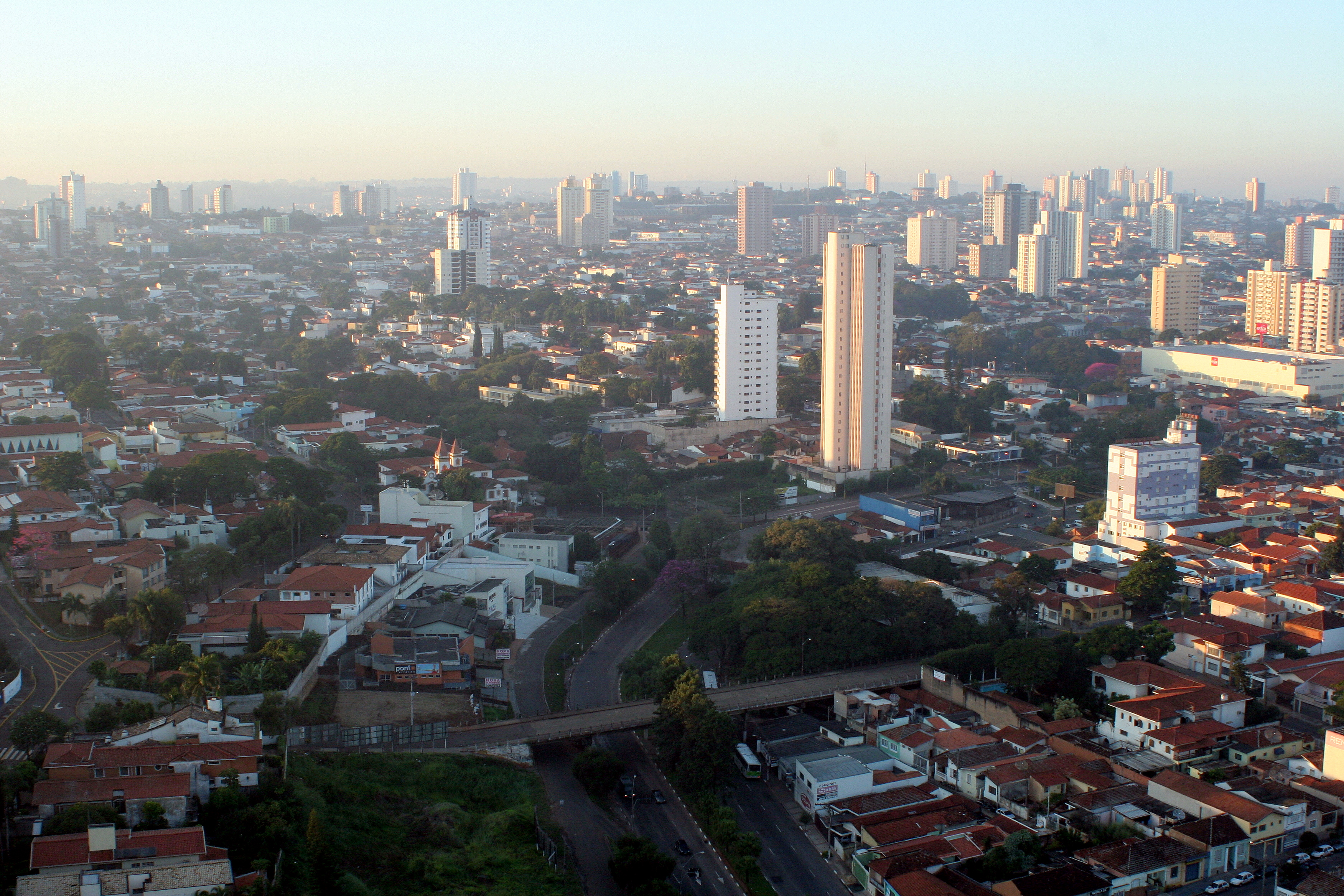
Industrial manufacturing drives this economy, built on decades of ethanol production and sugar processing equipment. Major employers include Caterpillar, Raízen (ethanol), and numerous metalworking firms that supply Brazil's agricultural sector. The job market favors engineers, technicians, and skilled manufacturing workers, though Portuguese fluency is essential for most positions. Universities like ESALQ-USP create opportunities in research and agribusiness consulting, but competition is fierce and salaries lag behind São Paulo despite the 150km proximity.
Rent averages $560 monthly for a city center one-bedroom, reasonable by Brazilian standards but climbing due to industrial growth. Public transport relies on buses that connect reasonably well within the city but poorly to São Paulo—expect 3+ hour commutes if working there. Healthcare through SUS is available but slow; private insurance costs $80-150 monthly for decent coverage. Portuguese is mandatory for bureaucracy, banking, and most social interactions. Visa renewals require trips to São Paulo's Federal Police office.
The climate is tropical with a pronounced dry season from May to September, when air quality suffers from sugarcane burning. Food centers on hearty Brazilian fare—excellent churrasco and surprisingly good Japanese options from the local Nikkei community. Weekends mean river parks, the converted Central Mill cultural space, or day trips to São Paulo for serious nightlife. The expat community is tiny, mostly academics and industrial managers. This works for Portuguese speakers seeking affordable Brazilian city life without São Paulo's chaos.
🏚️ Cost of Living
💰 Budgets and Costs
Grocery Basket
Eating Out
Utilities & Lifestyle
Housing
A 1BR in the center runs about $344.77/mo. If your income is in another currency, bank FX fees add up. A multi-currency account can cut that cost.
See low-fee transfersWe may earn a commission at no cost to you.
💰 Real Spend Reports
🛡️ Safety & Crime
(Higher is safer)
(Lower is safer)
Piracicaba is moderately safe for expats, with a Safety Index of 62 suggesting reasonable security compared to larger Brazilian cities. Primary concerns include petty theft, robbery in poorly-lit areas, and vehicle break-ins—avoid displaying valuables and use registered taxis or ride-apps after dark. The city's interior location and smaller size mean less organized crime than São Paulo or Rio. Stick to established neighborhoods like Centro and Bom Jesus. Overall, it's a viable option for remote workers or retirees willing to exercise standard urban precautions; not high-risk, but requires vigilance.
Piracicaba has a safety index of 62/100. Petty theft and lost belongings are the most common problems for newcomers. Compare travel insurance before you go.
Compare travel insuranceWe may earn a commission at no cost to you.
🏥 Healthcare
🌤️ Climate
Best Months
Climate Notes
Piracicaba experiences a climate with hot summers reaching up to 40°C, mild winters with lows around 7°C, and an average humidity of 72%, while air quality data remains unavailable.
💻 Digital Nomad
Community Notes
| Name | Price/mo | Notes |
|---|---|---|
| Workville Coworking | $60 | Located in Vila Monteiro, Workville offers a professional environment with private offices and coworking desks. It's a good option for those seeking a more structured workspace with meeting rooms and printing facilities. |
| Office Coworking | $55 | Situated in Nova Piracicaba, Office Coworking provides a modern and collaborative atmosphere. They offer various plans, including hot desks and dedicated desks, making it suitable for different work styles. |
| Regus Piracicaba | $110 | Located in the Centro area, Regus offers a reliable and professional coworking experience. It's a good choice for expats who prefer a well-known brand with consistent amenities and services, including meeting rooms and administrative support. |
Planning to live in Piracicaba long-term? Brazil Digital Nomad Visa lets remote workers live legally with a minimum income of $1,500/month.
View full requirements →Working remotely from Piracicaba? Nomad health insurance covers you across borders, month to month.
See nomad insuranceWe may earn a commission at no cost to you.
🧳 Expat Life
Expat Life Notes
A prosperous agribusiness and industrial city with a high level of development and safety.
Pros
- ✓ Prosperous economy
- ✓ Safe and clean
- ✓ Lush riverfront
Cons
- ✗ Limited English prevalence
- ✗ Bedroom community vibe
- ✗ Isolated from coast
🛂 Visa Options for Brazil
Many long-stay visas require proof of health insurance. Compare international health plans before you apply.
Compare health insuranceWe may earn a commission at no cost to you.
Earning over $1,500/mo? You may qualify for a Brazil visa.
Answer 10 questions and get a personalized match in under 2 minutes.
Could living/working in Piracicaba cut years off your work life?
With a 1-bedroom in the center at $276/mo, your FIRE number here might be much lower than you think.
Moving to Piracicaba? Estimate what an international move would cost and compare mover quotes.
Estimate my move costShare This Guide
Piracicaba won't stay this cheap forever.
Cost-of-living and visa updates for Piracicaba and the rest of Brazil. Free with RA Postcards.
By submitting your email address, you will receive a free subscription to RA Postcards and special offers from Rewire Abroad and our affiliates. You can unsubscribe at any time, and we encourage you to read more about our Privacy Policy.