Jundiaí, Brazil
Data updated Sep 3, 2026
📊 Scores
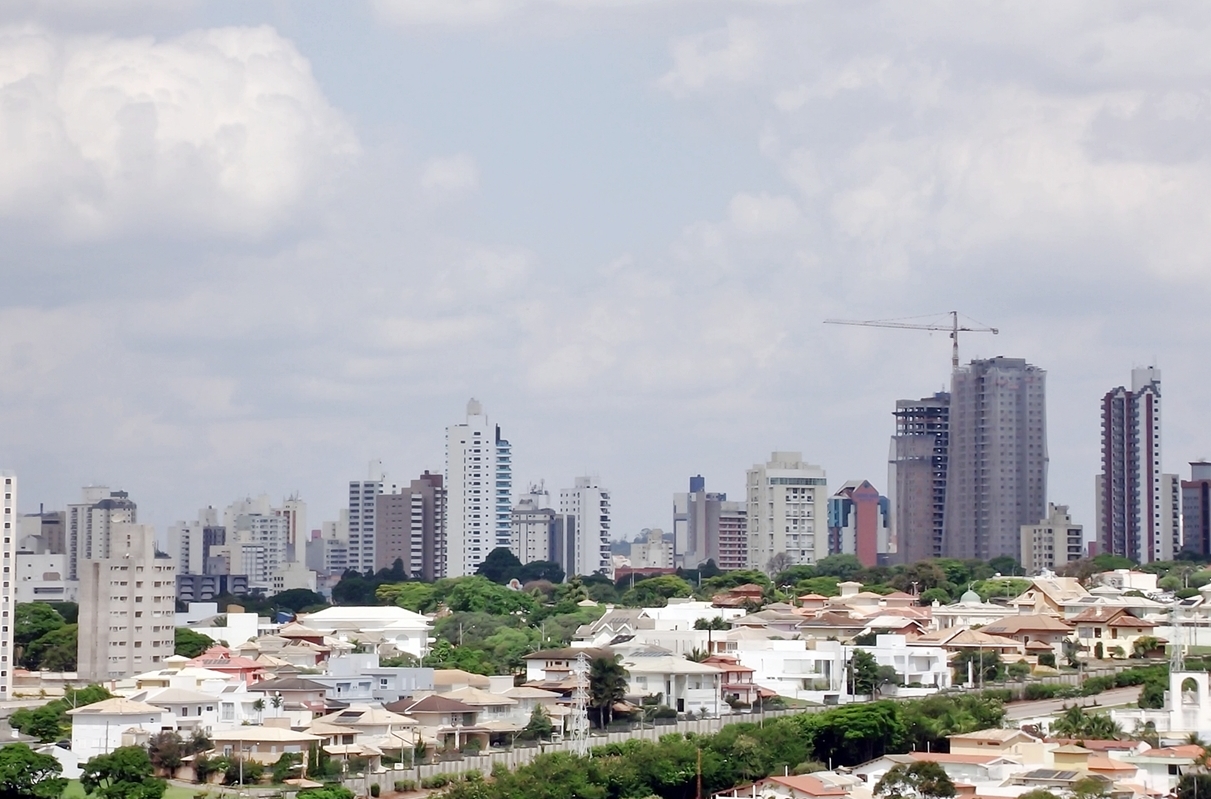
Manufacturing drives the local economy, with major companies like Braskem (petrochemicals) and Electrolux (appliances) anchoring industrial parks that employ thousands. Agriculture remains surprisingly relevant for a city this size — grape and strawberry farms generate serious revenue and seasonal work, while the biennial Festa da Uva draws 300,000+ visitors. The $16.6 billion GDP reflects genuine economic diversity, though most white-collar jobs still require commuting to São Paulo. Remote workers and retirees from the capital increasingly choose Jundiaí for lower costs while maintaining metropolitan access.
Rent averages $550/month for a 1BR in the center, roughly half of São Paulo prices, though quality varies significantly. The CPTM train connects to São Paulo in 90 minutes for R$15, but service ends around 11 PM — plan your social life accordingly. Healthcare follows Brazil's SUS system plus private options; language barriers are real since English speakers are rare outside international companies. Bureaucracy moves at typical Brazilian pace, meaning patience and a Portuguese-speaking friend help immensely.
The 761-meter elevation keeps temperatures pleasant year-round, while Serra do Japi offers legitimate hiking just outside town. Italian heritage shows in decent restaurants and weekend festivals, though nightlife is limited compared to major cities. The expat community is tiny but growing as São Paulo refugees discover the 57km proximity advantage. This works best for remote workers wanting Brazilian suburban life with big-city access, not digital nomads seeking vibrant international scenes.
🏚️ Cost of Living
💰 Budgets and Costs
Grocery Basket
Eating Out
Utilities & Lifestyle
Housing
A 1BR in the center runs about $351.17/mo. If your income is in another currency, bank FX fees add up. A multi-currency account can cut that cost.
See low-fee transfersWe may earn a commission at no cost to you.
💰 Real Spend Reports
🛡️ Safety & Crime
(Higher is safer)
(Lower is safer)
Jundiaí ranks as moderately safe for a Brazilian city, with a Safety Index of 60 suggesting reasonable security relative to national standards. Main concerns include petty theft, robbery in less affluent neighborhoods, and vehicle break-ins—avoid displaying valuables and use registered taxis or ride-sharing apps after dark. The city's industrial character means some peripheral areas warrant caution, particularly around the periphery and near bus stations. For expats in established residential zones like Centro or middle-class neighborhoods, daily safety is manageable with standard precautions. The verdict: viable for remote workers or retirees willing to adopt local safety habits, but not a top-tier safe destination.
Jundiaí has a safety index of 60/100. Petty theft and lost belongings are the most common problems for newcomers. Compare travel insurance before you go.
Compare travel insuranceWe may earn a commission at no cost to you.
🏥 Healthcare
🌤️ Climate
Best Months
Climate Notes
Jundiaí experiences hot summers with temperatures reaching up to 36°C, cooler winters with lows around 6°C, and a generally humid climate with an average humidity of 77%.
💻 Digital Nomad
Community Notes
Planning to live in Jundiaí long-term? Brazil Digital Nomad Visa lets remote workers live legally with a minimum income of $1,500/month.
View full requirements →Working remotely from Jundiaí? Nomad health insurance covers you across borders, month to month.
See nomad insuranceWe may earn a commission at no cost to you.
🧳 Expat Life
Expat Life Notes
Consistently ranked one of Brazil's best cities for infrastructure and safety. popular with commuters.
Pros
- ✓ Excellent infrastructure
- ✓ Safe
Cons
- ✗ Lacks its own distinct culture
- ✗ Bedroom-town atmosphere
🛂 Visa Options for Brazil
Many long-stay visas require proof of health insurance. Compare international health plans before you apply.
Compare health insuranceWe may earn a commission at no cost to you.
Earning over $1,500/mo? You may qualify for a Brazil visa.
Answer 10 questions and get a personalized match in under 2 minutes.
Could living/working in Jundiaí cut years off your work life?
With a 1-bedroom in the center at $281/mo, your FIRE number here might be much lower than you think.
Moving to Jundiaí? Estimate what an international move would cost and compare mover quotes.
Estimate my move costShare This Guide
Jundiaí won't stay this cheap forever.
Cost-of-living and visa updates for Jundiaí and the rest of Brazil. Free with RA Postcards.
By submitting your email address, you will receive a free subscription to RA Postcards and special offers from Rewire Abroad and our affiliates. You can unsubscribe at any time, and we encourage you to read more about our Privacy Policy.