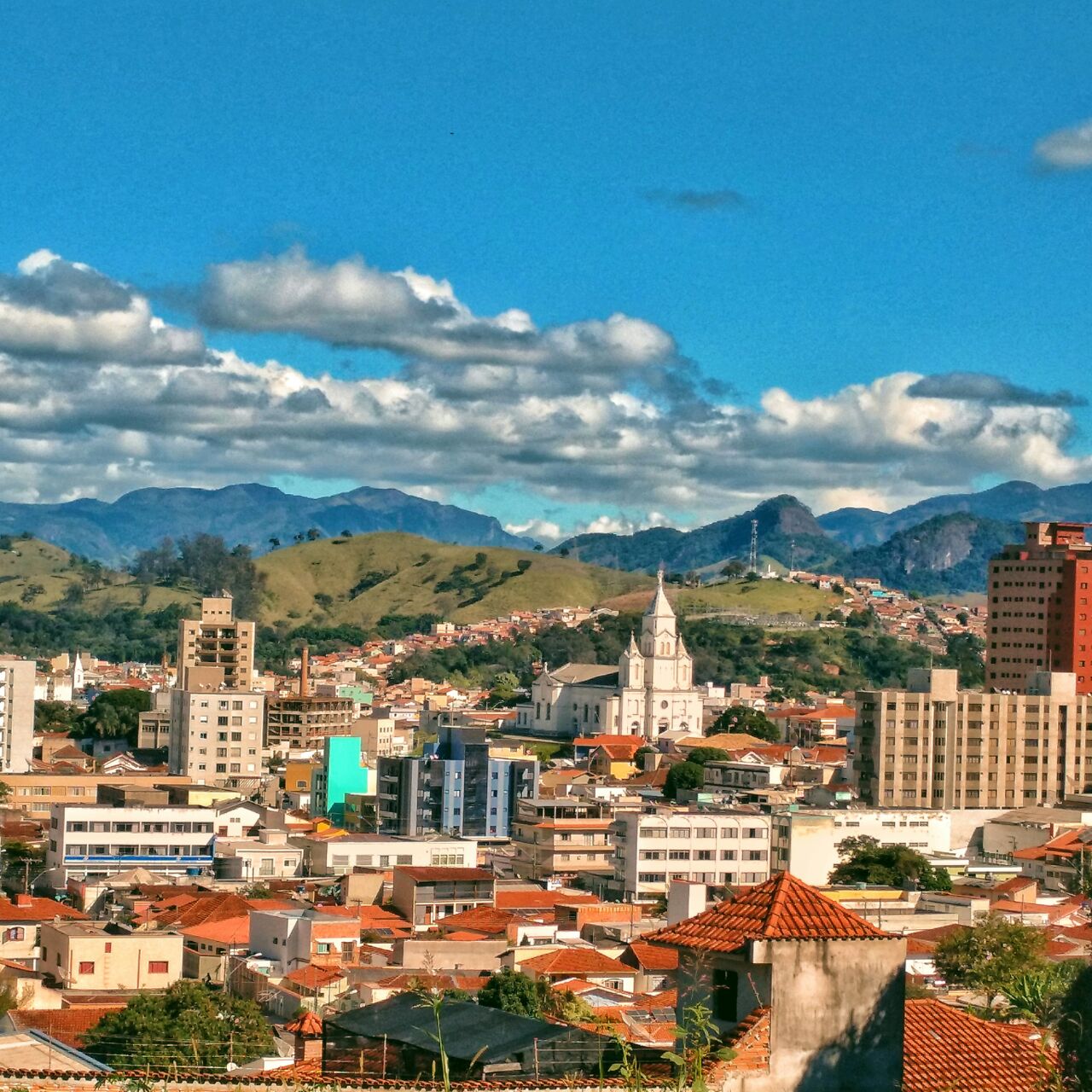
Itajubá, Brazil
Data updated Sep 3, 2026
📊 Scores
Manufacturing dominates Itajubá's economy—auto parts, fiber optics, textiles, helicopters (Helibrás), and military weapons (IMBEL) anchor the job market. Federal University of Itajubá (UNIFEI), a top technical school, drives engineering and research sectors. Agriculture (coffee, bananas, potatoes) supports surrounding areas. Real employment here means factory work, university positions, or tech roles; remote work is viable but you're competing with locals who have established networks.
Rent runs $320/month for a one-bedroom downtown—genuinely cheap. Public transport is basic; a car helps. Healthcare access is decent through public system (SUS) but private clinics exist. Portuguese is essential; English is rare outside university circles. Bureaucracy for residency follows standard Brazilian rules: slow, document-heavy, but manageable. Utilities and food cost less than São Paulo or Rio, though imported goods carry a markup.
Tropical highland climate means cool mornings (15°C winter), heavy summer rain, and no oppressive heat. Food is regional and simple—good coffee, fresh produce, limited dining variety. Social life centers on university students, factory workers, and families; expat community is tiny. Weekends mean hiking nearby mountains, visiting Maria da Fé's cooler zones, or day trips to larger cities. This city suits remote workers seeking low cost and quiet stability, not nightlife or cosmopolitan culture.
🏚️ Cost of Living
💰 Budgets and Costs
Grocery Basket
Eating Out
Utilities & Lifestyle
Housing
A 1BR in the center runs about $320/mo. If your income is in another currency, bank FX fees add up. A multi-currency account can cut that cost.
See low-fee transfersWe may earn a commission at no cost to you.
💰 Real Spend Reports
🛡️ Safety & Crime
(Higher is safer)
(Lower is safer)
Itajubá is a relatively safe mid-sized Brazilian city with a strong university presence that contributes to a stable, educated community. While petty theft and street crime exist—particularly in peripheral neighborhoods and after dark—violent crime rates are notably lower than major Brazilian metros. Expats should avoid displaying valuables, use registered taxis or ride-sharing apps, and stay alert in less developed areas. The city's compact size and local familiarity make it manageable for remote workers and retirees seeking a quieter Brazilian lifestyle without the security concerns of São Paulo or Rio.
Itajubá has a safety index of 60/100. Petty theft and lost belongings are the most common problems for newcomers. Compare travel insurance before you go.
Compare travel insuranceWe may earn a commission at no cost to you.
🏥 Healthcare
🌤️ Climate
Best Months
Climate Notes
Itajubá has a subtropical highland climate with warm, humid summers (December-February, ~37°C) and mild winters (June-August, ~4°C nights), offering pleasant year-round conditions at 1,200m elevation with moderate rainfall.
💻 Digital Nomad
Community Notes
| Name | Price/mo | Notes |
|---|---|---|
| Escritório Compartilhado Itajubá | $60 | A well-regarded independent coworking space in Itajubá, offering a collaborative environment. While they don't have a dedicated website, their Instagram showcases a modern workspace with good lighting and ergonomic chairs, perfect for focused work. Located centrally, it's easily accessible. |
| Workville Coworking | $75 | Workville offers a professional coworking environment with various plans. They provide a comfortable and productive atmosphere, suitable for digital nomads. Located in a central area, it offers easy access to amenities and transportation. |
Planning to live in Itajubá long-term? Brazil Digital Nomad Visa lets remote workers live legally with a minimum income of $1,500/month.
View full requirements →Working remotely from Itajubá? Nomad health insurance covers you across borders, month to month.
See nomad insuranceWe may earn a commission at no cost to you.
🧳 Expat Life
Expat Life Notes
An educational and technological center in southern Minas Gerais. Mostly international students/researchers.
Pros
- ✓ Strong tech and research scene
- ✓ Cooler mountain climate
- ✓ Relatively safe
Cons
- ✗ Limited English in services
- ✗ Quiet social scene
- ✗ Isolated
🛂 Visa Options for Brazil
Many long-stay visas require proof of health insurance. Compare international health plans before you apply.
Compare health insuranceWe may earn a commission at no cost to you.
Earning over $1,500/mo? You may qualify for a Brazil visa.
Answer 10 questions and get a personalized match in under 2 minutes.
Could living/working in Itajubá cut years off your work life?
With a 1-bedroom in the center at $192/mo, your FIRE number here might be much lower than you think.
Moving to Itajubá? Estimate what an international move would cost and compare mover quotes.
Estimate my move costShare This Guide
Itajubá won't stay this cheap forever.
Cost-of-living and visa updates for Itajubá and the rest of Brazil. Free with RA Postcards.
By submitting your email address, you will receive a free subscription to RA Postcards and special offers from Rewire Abroad and our affiliates. You can unsubscribe at any time, and we encourage you to read more about our Privacy Policy.