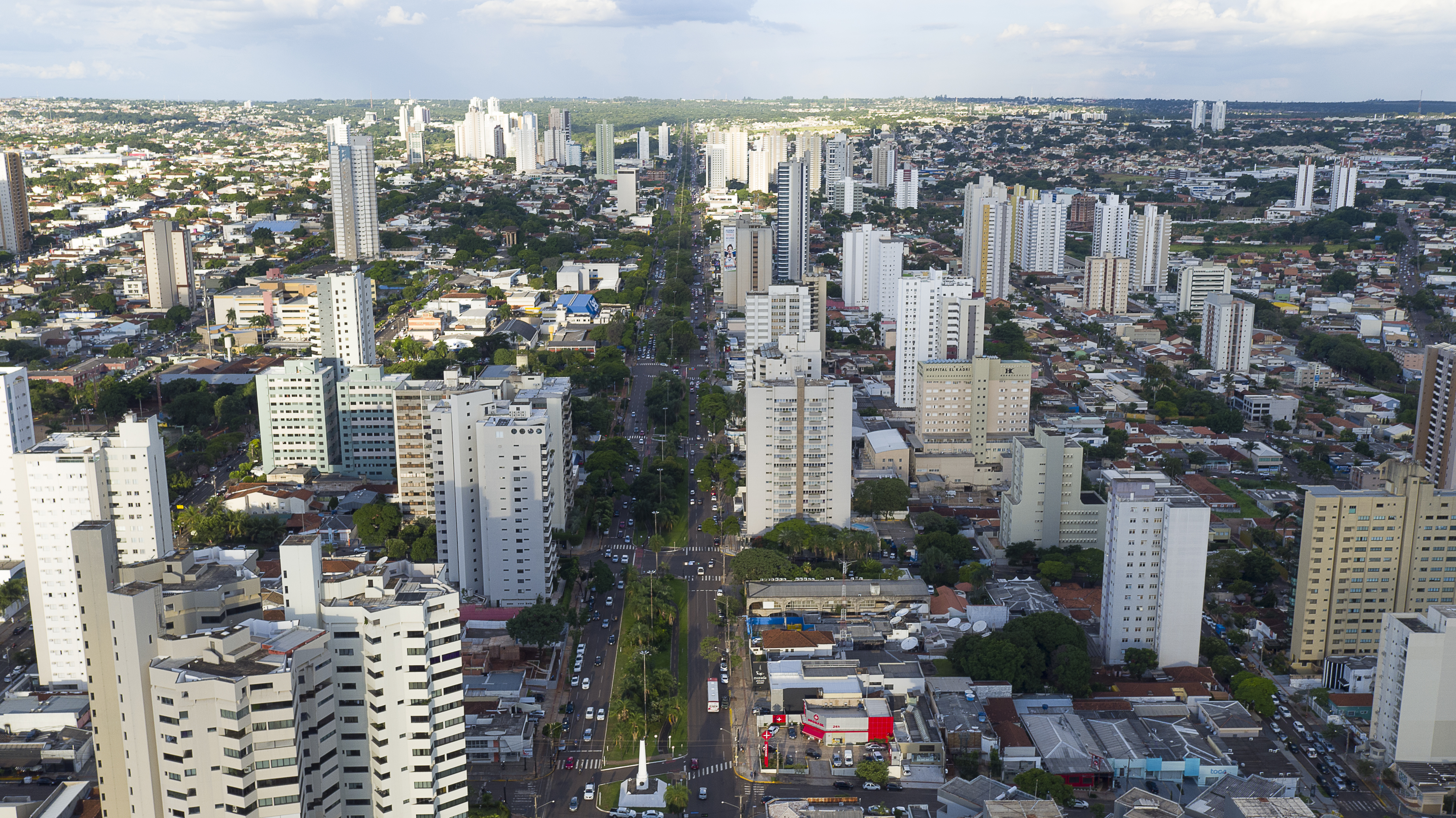
Campo Maior, Brazil
Data updated Sep 29, 2026
📊 Scores
Best fit: Retiree (score: 52)
Agriculture and cork production dominate Campo Maior's economy—this is subsistence-level rural Portugal, not a job market. Most locals farm, work in cork processing, or commute to Portalegre for employment. Remote work is realistic if you have it; finding local employment as an expat is not. Agritourism and small guesthouses are growing but remain marginal. This town survives on EU agricultural subsidies and pension income, not economic dynamism.
Rent runs €300–500/month for a basic apartment; utilities add another €80–120. Healthcare access is adequate—the local centro de saúde handles basics, but serious cases route to Portalegre (30km). Portuguese bureaucracy applies fully; residency paperwork is standard EU friction. Public transport is skeletal; a car is essential. English speakers are rare outside tourism contexts. Internet reliability varies by provider. This is genuinely rural—expect limited services and slow administrative processes.
Summers hit 35°C regularly; winters are mild but damp. Food is traditional Alentejo fare—bread, cork-roasted meats, wine—and cheap. The expat community is tiny, mostly retirees and remote workers. Weekends mean hiking cork forests, visiting the castle, or driving to larger towns. Social life requires effort and Portuguese language basics. Campo Maior suits early retirees, remote workers seeking extreme affordability, and people genuinely seeking rural quiet—not anyone needing job prospects or urban amenities.
🏚️ Cost of Living
💰 Budgets and Costs
Grocery Basket
Eating Out
Utilities & Lifestyle
Housing
A 1BR in the center runs about $103.59/mo. If your income is in another currency, bank FX fees add up. A multi-currency account can cut that cost.
See low-fee transfersWe may earn a commission at no cost to you.
💰 Real Spend Reports
🛡️ Safety & Crime
(Higher is safer)
(Lower is safer)
Campo Maior is a relatively safe mid-sized city in Piauí with a Safety Index of 65, indicating lower crime than many Brazilian urban centers. Primary concerns include petty theft, motorcycle robberies in certain areas, and occasional property crime—typical for interior Brazil. Avoid displaying valuables, use registered taxis or ride-apps, and stay out of peripheral neighborhoods after dark. The city's smaller size and lower tourist traffic mean less organized crime targeting foreigners. For a remote worker or retiree seeking affordable, quieter Brazil with manageable safety precautions, this is a reasonable option, though it lacks the infrastructure and expat community of larger cities.
🏥 Healthcare
🌤️ Climate
Best Months
Climate Notes
Campo Maior has a tropical semi-arid climate with hot summers (40°C peaks) and mild winters (20°C lows), moderate humidity at 61%, and a pronounced dry season from June to September ideal for expats seeking predictable weather.
💻 Digital Nomad
Community Notes
| Name | Price/mo | Notes |
|---|---|---|
| Escritório Virtual Campo Maior | $40 | While not a traditional coworking space, Escritório Virtual Campo Maior offers virtual office services and likely has desk space available for rent. Located in the city center, it provides a professional environment and basic amenities suitable for remote workers seeking a simple workspace. |
| Impacto Coworking | $50 | Impacto Coworking offers a collaborative workspace in Campo Maior. It provides a modern and comfortable environment with amenities like high-speed internet, meeting rooms, and printing services, making it suitable for digital nomads and remote workers. |
Planning to live in Campo Maior long-term? Brazil Digital Nomad Visa lets remote workers live legally with a minimum income of $1,500/month.
View full requirements →Working remotely from Campo Maior? Nomad health insurance covers you across borders, month to month.
See nomad insuranceWe may earn a commission at no cost to you.
🧳 Expat Life
Expat Life Notes
A historic town in Piauí. Minimal infrastructure for foreigners.
Pros
- ✓ Rich history
Cons
- ✗ Isolated
- ✗ Heat
- ✗ Language barrier
🛂 Visa Options for Brazil
Many long-stay visas require proof of health insurance. Compare international health plans before you apply.
Compare health insuranceWe may earn a commission at no cost to you.
Earning over $1,500/mo? You may qualify for a Brazil visa.
Answer 10 questions and get a personalized match in under 2 minutes.
Could living/working in Campo Maior cut years off your work life?
With a 1-bedroom in the center at $41/mo, your FIRE number here might be much lower than you think.
Estimate the cost of moving to Campo Maior, Brazil
Get a free moving cost estimate for moving to Campo Maior, Brazil. Takes 10 seconds.
How much are you shipping?
When are you moving?
Powered by Sirelo. Free quotes from verified international movers.
Share This Guide
Campo Maior won't stay this cheap forever.
Cost-of-living and visa updates for Campo Maior and the rest of Brazil. Free with RA Postcards.
By submitting your email address, you will receive a free subscription to RA Postcards and special offers from Rewire Abroad and our affiliates. You can unsubscribe at any time, and we encourage you to read more about our Privacy Policy.