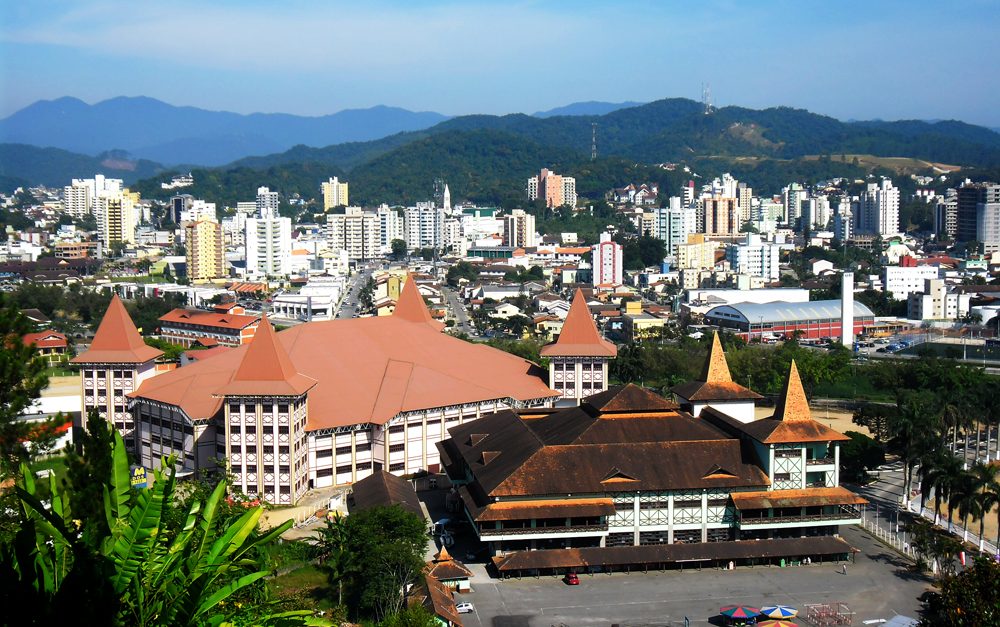
Brusque, Brazil
Data updated Sep 29, 2026
📊 Scores
Best fit: FIRE / Geoarbitrage (score: 77)
Textile manufacturing dominates the local economy, with companies like Renaux and dozens of smaller fabric producers employing thousands in spinning, weaving, and garment production. The industrial base has diversified into general manufacturing and logistics, serving the broader Vale do Itajaí region. Job opportunities exist primarily in factory work, quality control, and supply chain management, though salaries rarely exceed R$4,000 monthly for skilled positions. Small and medium enterprises provide additional employment, but this isn't a tech hub despite early adoption of digital infrastructure.
One-bedroom apartments in the center cost around $420 monthly, with utilities adding another $80-100. Public transport is limited to local buses, so most residents rely on cars or motorcycles for daily commuting. Healthcare access is decent through SUS (public system) and private clinics, though specialized care requires trips to Blumenau or Florianópolis. Portuguese is essential — German heritage doesn't translate to widespread German fluency, and English speakers are rare outside international textile companies. Municipal bureaucracy moves at typical Brazilian pace, meaning patience is mandatory.
The subtropical climate brings consistent rainfall and moderate temperatures year-round, supporting both agriculture and outdoor activities in nearby Atlantic Forest reserves. Local food reflects German-Italian heritage with decent bakeries and traditional restaurants, though international cuisine is limited. The expat community is tiny — maybe a few dozen foreigners total, mostly connected to textile trade or marriage. Weekends mean hiking, visiting neighboring Blumenau for better nightlife, or attending volleyball matches. This city suits manufacturing professionals seeking affordable living in a safe, small industrial town.
🏚️ Cost of Living
💰 Budgets and Costs
Grocery Basket
Eating Out
Utilities & Lifestyle
Housing
A 1BR in the center runs about $420/mo. If your income is in another currency, bank FX fees add up. A multi-currency account can cut that cost.
See low-fee transfersWe may earn a commission at no cost to you.
💰 Real Spend Reports
🛡️ Safety & Crime
(Higher is safer)
(Lower is safer)
Brusque is a relatively safe Brazilian city with a moderate safety profile suitable for expats. The main concerns are petty theft, pickpocketing in crowded areas, and occasional vehicle break-ins—typical for southern Brazil. Avoid displaying valuables, use registered taxis or ride-sharing apps, and stay alert in the city center after dark. The industrial port city has lower violent crime than major metros like São Paulo or Rio, making it a reasonable choice for remote workers or retirees seeking a quieter Brazilian lifestyle with manageable safety precautions.
Brusque has a safety index of 60/100. Petty theft and lost belongings are the most common problems for newcomers. Compare travel insurance before you go.
Compare travel insuranceWe may earn a commission at no cost to you.
🏥 Healthcare
🌤️ Climate
Best Months
Climate Notes
Brusque has a humid subtropical climate with hot, wet summers (December-February reaching 35°C) and mild winters (June-August around 6°C), requiring adaptation to high humidity year-round and occasional heavy rainfall.
💻 Digital Nomad
Community Notes
| Name | Price/mo | Notes |
|---|---|---|
| Link Coworking | $60 | Located in Centro, Link Coworking offers a modern and collaborative environment. It's a good option for those seeking a community-focused workspace with essential amenities. |
| Escritório Compartilhado Brusque | $50 | Located in Centro II, this coworking space provides a professional and functional environment. It's a practical choice for remote workers looking for a dedicated workspace with standard office facilities. |
Planning to live in Brusque long-term? Brazil Digital Nomad Visa lets remote workers live legally with a minimum income of $1,500/month.
View full requirements →Working remotely from Brusque? Nomad health insurance covers you across borders, month to month.
See nomad insuranceWe may earn a commission at no cost to you.
🧳 Expat Life
Expat Life Notes
A textiles hub in Santa Catarina. It has a high quality of life and attracts some European expats in the manufacturing sector.
Pros
- ✓ Very safe
- ✓ Strong economy
- ✓ Clean and organized
Cons
- ✗ Conservative society
- ✗ Requires Portuguese
- ✗ Limited nightlife
🛂 Visa Options for Brazil
Many long-stay visas require proof of health insurance. Compare international health plans before you apply.
Compare health insuranceWe may earn a commission at no cost to you.
Earning over $1,500/mo? You may qualify for a Brazil visa.
Answer 10 questions and get a personalized match in under 2 minutes.
Could living/working in Brusque cut years off your work life?
With a 1-bedroom in the center at $252/mo, your FIRE number here might be much lower than you think.
Moving to Brusque? Estimate what an international move would cost and compare mover quotes.
Estimate my move costShare This Guide
Brusque won't stay this cheap forever.
Cost-of-living and visa updates for Brusque and the rest of Brazil. Free with RA Postcards.
By submitting your email address, you will receive a free subscription to RA Postcards and special offers from Rewire Abroad and our affiliates. You can unsubscribe at any time, and we encourage you to read more about our Privacy Policy.