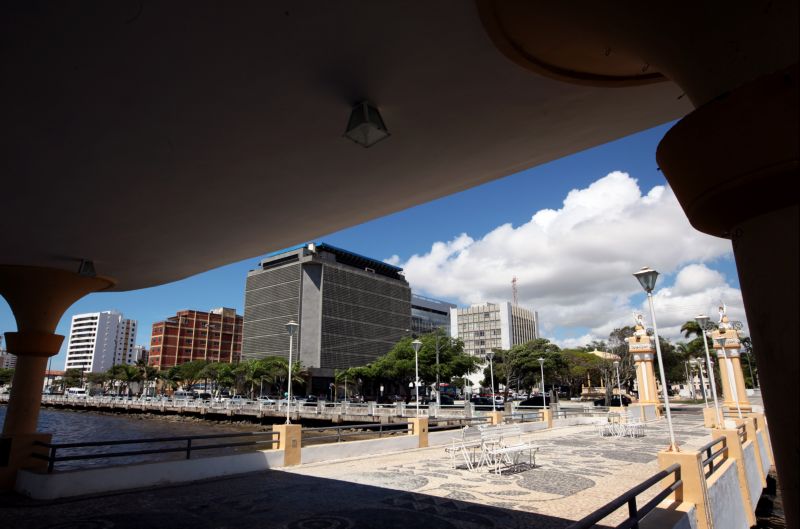
Aracaju sits on Brazil's northeastern coast, a low-lying city just 4 meters above sea level, with a tropical climate that keeps things warm year-round. The city is compact and easy to navigate, and expats tend to cluster in the beachside neighborhood of Atalaia and the more residential Jardins. With a population of 461 thousand, it feels like a large town rather than a sprawling metropolis, and the Atlantic breeze tempers the heat, making outdoor life pleasant for most of the year.
Living here is remarkably affordable, especially when you look at the numbers. A one-bedroom apartment in the city centre rents for $308/mo, while the same outside the centre costs just $145/mo. For a family, a three-bedroom in the centre runs $642/mo, dropping to $274/mo further out. A single adult can live on a budget tier total of $352/mo, though most will find the mid-range tier of $484/mo more comfortable, and the comfortable tier sits at $712/mo. Excluding rent, a single person spends around $500/mo, while a family of four needs about $1,450/mo. Utilities are a modest $94/mo, internet is $17/mo, and a mobile plan is just $10/mo. A monthly public transport pass costs $43/mo, a gym membership is $22/mo, and eating out is cheap: an inexpensive restaurant meal is $5, a three-course meal for two at a mid-range spot is $24, and a cappuccino is $2. The average monthly net salary locally is $456/mo, which puts the cost of living index at 37 out of 100 relative to New York City.
Safety is a mixed picture. The safety index sits at 60/100, and the crime index is 40/100, meaning it is not without incidents but is far from the most dangerous cities in Brazil. Healthcare quality is rated as fair, so for serious medical needs, you may want to plan for private options or travel to larger centres. The air quality index is 45, which is moderate, and the overall expat score is 78/100, suggesting that most foreigners find the city livable despite its limitations. The expat community is very few in number, so you will not find a large network of foreigners, but that can be a plus for those seeking deeper local immersion.
For those looking to stay long-term, Brazil offers two clear visa paths. The retirement visa program, VITEM XIV, requires a minimum monthly income of $2,000/mo, while the Brazil Digital Nomad Visa requires $1,500/mo. Getting to Aracaju is straightforward via the nearest airport, AJU, which is just 4 km from the city centre. This is a place that suits budget-conscious expats, especially those interested in a slow-paced coastal lifestyle, and the FIRE score of 80/100 reflects its appeal for early retirement. Digital nomads will find a decent score of 65/100, though English proficiency is limited, so learning Portuguese will go a long way. Retirees might find the healthcare and safety scores less ideal, with a retiree score of 58/100, but for those who prioritize low costs and a warm climate, Aracaju offers a compelling, if understated, option.